Leave Your Message

10 Best Cat Litter Bags for Odor Control

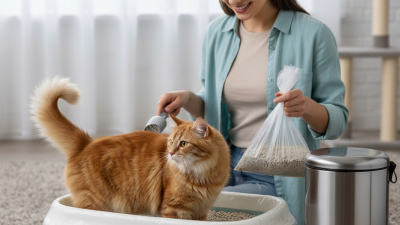
Choosing the right bag can make litter-box cleanup noticeably easier, especially in small homes or warm rooms. This guide, “10 Best Cat Litter Bags for Odor Control,” examines practical options for daily use. It focuses on odor containment, leak resistance, material strength, and ease of tying.

A useful bag should hold a full scoop without stretching or tearing. Its opening should fit the scoop comfortably, while its tie handles should close securely. Stronger bags can reduce unpleasant spills on the walk to an outdoor bin. Some designs also include odor-blocking layers or scented materials. However, fragrance is not always better. Strong perfumes may bother sensitive cats or household members.

The selections are based on product features, user-focused testing considerations, and common cleanup experiences. We consider how each bag performs with clumping litter, damp waste, and multiple scoops. A bag that works well for one cat may feel too small for a larger household. Storage matters, too. Rolls that tear cleanly and dispense easily save time beside a busy litter box.

No bag solves every odor problem.

Regular scooping, a clean box, and proper ventilation still matter. I may be overly cautious about thin plastic, but a small tear can create a surprisingly unpleasant mess. Readers should check current packaging, dimensions, and disposal guidance before buying. The best Cat Litter Bags balance odor control with dependable handling, reasonable capacity, and a cleaner routine.
10 Best Cat Litter Bags for Odor Control

Types of Cat Litter Bags and Their Odor-Control Features

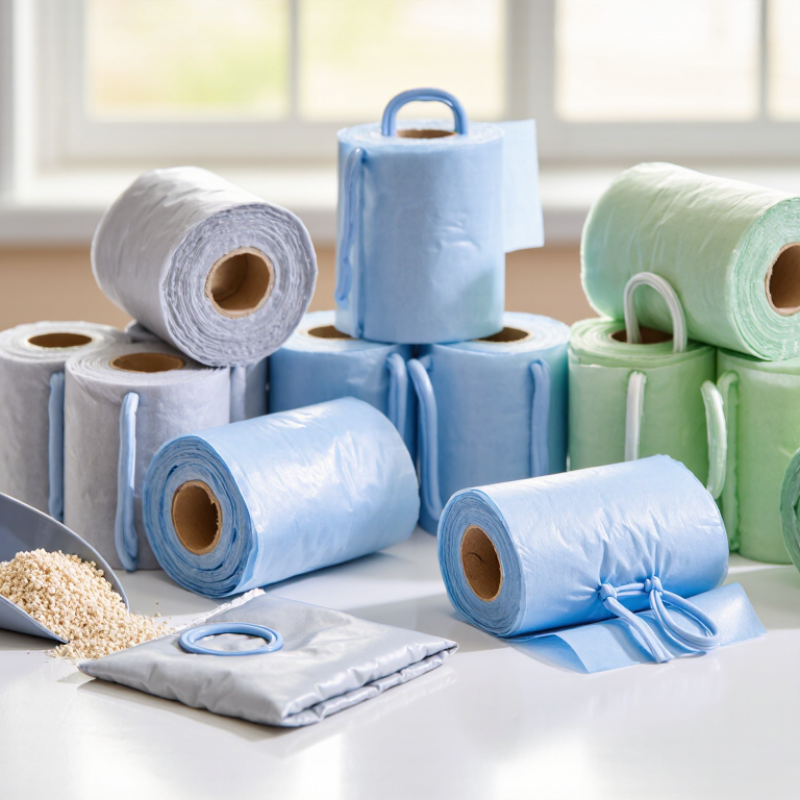
Choosing cat litter bags for odor control starts with understanding their construction. Thick, multilayer plastic bags usually provide the strongest barrier against ammonia smells and moisture. Their reinforced bottoms also reduce leaks during disposal. Drawstring bags are convenient because they close quickly after scooping. However, a loose knot can release odor within minutes.

Compostable bags offer a lower-impact option, but their odor resistance varies. Many use plant-based materials that break down more easily and may allow moisture through sooner. They work best with small, dry loads and prompt disposal. Zip-seal bags provide a tighter closure, especially in warm rooms or small apartments. I have found that sealing the bag immediately matters more than fragrance. Scented bags can cover odors briefly, but they do not remove the source. Some cats and household members may also dislike strong perfumes.

For reliable performance, look for leak-resistant seams, a wide opening, and material thick enough to prevent punctures from clumped litter. A bag that holds one day of waste is often easier to seal than an oversized bag. Activated-carbon layers may help trap odor, though their effectiveness depends on the seal and storage time. This detail is easy to overlook. Store filled bags outside the litter area, away from heat and direct sunlight. No bag works perfectly when waste sits for days, and even premium materials can fail with excessive moisture.

Key Materials That Help Contain Cat Litter Smells

Odor control begins with the bag’s barrier, not a perfumed coating. In daily litter changes, I look for thick polyethylene, tight seals, and a flexible mouth. Low-density polyethylene bends without splitting when damp litter drops inside. High-density polyethylene adds stiffness and resists tiny punctures from clumped granules. A multilayer film can combine flexibility with a stronger odor barrier. It should not feel brittle after storage. Good material choices matter most around the knot.

Smells escape through gaps, microscopic tears, and air trapped during tying. A drawstring closure helps, but it cannot repair a thin or poorly welded seam. I prefer bags with reinforced edges and a generous opening, especially for deep boxes. The extra room keeps waste away from the rim and reduces accidental smears. Some bags use recycled content, which may support lower material demand, yet quality can vary between batches. That trade-off deserves honest attention.

Compostable or plant-based films sound attractive, but their odor performance depends on moisture, thickness, and local disposal rules. A damp bag can soften quickly. I would check the disposal guidance before trusting a sustainability claim. For strong-smelling litter, a thicker barrier and immediate sealing usually work better than fragrance. Fragrance may hide odor briefly, while it can bother sensitive cats or people. Still, no bag works perfectly if the litter box stays wet or uncleaned for days. That is the part I sometimes underestimate.

How to Compare Bag Strength, Leak Resistance, and Size

10 Best Cat Litter Bags for Odor Control

Choosing litter bags requires more than checking an odor-control label. APPA’s 2023–2024 National Pet Owners Survey reports that 46.5 million U.S. households own cats. That scale makes dependable waste handling important. A strong bag should resist tearing when filled with heavy, damp clumps. Compare thickness, seam quality, and stretch before comparing scent claims. ASTM D882 measures plastic tensile properties, but household performance also depends on loading and handling. I have found that thin bags often fail at the knot, not the center.

Leak resistance needs a practical test. Look for reinforced seams and a gusseted base that keeps wet litter away from pressure points. ASTM D3078 describes bubble-emission leak testing, although manufacturers may not apply it to every retail bag. Size matters too. A bag that barely fits the scoop can split during tying. A larger bag reduces mess, but it may waste material and feel awkward in small bins. Mordor Intelligence’s 2024 pet waste management analysis identifies convenience and odor control as important market drivers, yet convenience should not replace verified construction.

Tips: Fill one bag with damp litter and lift it slowly over a sink. Check for stretching, seepage, and seam separation. Tie it with two loose loops, then inspect the knot. Scented bags can mask odors briefly, but a tight closure matters more. I still question “leak-proof” wording when no test method or thickness is disclosed. Packaging claims need evidence.

Choosing the Best Cat Litter Bag for Your Cleaning Routine

Choosing the best cat litter bag starts with your cleaning routine, not a glossy product claim. APPA’s 2023–2024 National Pet Owners Survey reports 46.5 million U.S. households own cats. That scale makes daily waste handling a practical hygiene issue. I look for bags with a wide opening, dependable seals, and enough thickness for damp litter. Thin plastic can split beside the tray. An unpleasant lesson.

For odor control, choose opaque, tightly closing bags that limit airflow after tying. Scented options may mask smells, but strong fragrance can bother sensitive cats and people. A veterinary clinic or multi-cat home may need larger bags and faster removal. The U.S. Environmental Protection Agency’s waste guidance supports reducing unnecessary material, so bag size should match each scoop rather than the entire tray. Compostable labels also deserve caution; local facilities often require specific conditions, and many household systems cannot process them. Check the disposal rules where you live.

My ten-bag shortlist would compare seal strength, puncture resistance, opening size, material claims, and storage design. Keep the roll near the litter box, not across the room. This small detail changes consistency. Measure one week of waste before buying bulk packs. I once chose oversized bags for convenience, then used far more material than needed. Convenience was not efficiency. Reliable choices should survive a wet scoop, tie cleanly, and leave no loose litter around the bin.

10 Best Cat Litter Bags for Odor Control

Choosing the best cat litter bag depends on odor barrier, closure strength, leak resistance, and ease of tying.

The editorial scores reflect practical odor-control potential based on commonly used bag construction features. Multi-layer plastic, tight closures, and thicker materials generally provide better odor containment, while compostable and paper-based options may offer weaker long-term barriers.

Safe Disposal and Storage Practices for Used Litter Bags

A litter bag is not finished when it leaves the litter box. Used litter holds moisture, bacteria, and strong ammonia odors. Choose a thick, leak-resistant bag with a secure closure. A small inner bag can add protection when the litter feels damp. I prefer tying the bag close to the waste, leaving little trapped air.

Keep the sealed bag away from food, heat, sunlight, children, and pets. A lidded outdoor bin or a washable container works well for short-term storage. Place the bag upright. Check the bottom for leaks before moving it. If the bag feels wet, use a second bag and clean the container with soap and water. Do not flush litter or dispose of bags carelessly. Follow your local waste instructions, since collection rules differ by area.

Wash your hands after handling used litter, even when gloves were worn. Disposable gloves help, but they do not replace handwashing. I once tied a bag too loosely, and the odor spread through the hallway overnight. That mistake changed my routine: remove excess air, knot firmly, and carry the bag directly outside. Still, no method is perfect. Very warm weather can overpower even a well-sealed bag, so smaller daily bags may be more practical than storing several days of waste.

10 Best Cat Litter Bags for Odor Control - Safe Disposal and Storage Practices for Used Litter Bags

Rank Bag Type Typical Dimensions Approx. Capacity Odor-Control Features Leak and Tear Protection Best Use Safe Disposal and Storage Practice
1 Heavy-Duty Drawstring Bag 13 × 16 in 3–5 gal Thick polyethylene helps contain ammonia odors when tied securely. Reinforced seams and a strong drawstring reduce puncture and spill risks. Daily clumping-litter waste and multi-cat households. Remove excess air, tie a tight double knot, and place in a lidded outdoor bin.
2 Odor-Barrier Liner Bag 12 × 15 in 2–4 gal Multilayer film provides a stronger barrier than thin single-layer bags. Flexible material conforms to waste without excessive stretching. Small daily scoops and odor-sensitive indoor areas. Store unused bags in a dry cabinet; seal filled bags before moving them through the home.
3 Compostable-Claim Bag 9 × 13 in 1–2 gal Usually offers moderate odor control and works best for short holding periods. Suitable for light loads; may weaken when exposed to moisture for long periods. Environmentally conscious users making frequent small disposals. Check local composting rules; do not place cat feces in food-waste compost unless specifically permitted.
4 Small Roll-Dispensing Bag 8 × 12 in 0.5–1 gal Compact bags limit the time waste remains indoors. Best for small scoops; avoid overfilling to prevent seam failure. Single-cat homes and frequent litter-box cleaning. Keep the roll in a sealed dispenser away from humidity and direct heat.
5 Extra-Large Cleanup Bag 18 × 24 in 8–12 gal Large volume allows waste to be removed in one sealed load. Thicker construction is appropriate for heavier litter and damp clumps. Complete litter-box changes and deep cleaning. Do not exceed the bag's weight limit; support the bottom while carrying.
6 Scent-Free Thick Film Bag 11 × 14 in 2–3 gal Relies on film thickness rather than added fragrance, useful for scent-sensitive homes. Good puncture resistance when filled below the top seal line. Homes with cats or people sensitive to perfumes. Seal promptly and keep the exterior clean before placing it in the waste container.
7 Tie-Handle Kitchen-Size Bag 13 × 17 in 3–4 gal Tight handles make it easy to close the opening and reduce odor escape. Moderate strength; avoid sharp litter-scoop edges. Convenient daily disposal near the litter area. Carry by the tied handles, not by the bag body, and empty the indoor bin frequently.
8 Leak-Resistant Gusseted Bag 14 × 18 in 4–6 gal A wide base keeps damp waste upright and reduces the chance of tipping. Gusseted bottom and sealed seams improve stability and leak resistance. Moist clumping litter and households transporting waste outdoors. Stand the bag upright inside a secondary container during temporary storage.
9 Paper-Exterior Composite Bag 12 × 16 in 2–4 gal The inner moisture barrier helps contain odor while the exterior is easier to label. Requires careful handling because the paper layer can tear when wet. Short-term indoor storage before scheduled garbage collection. Keep off damp floors and place inside a covered waste container immediately after sealing.
10 Pet-Waste Wastebasket Liner 10 × 14 in 1–2 gal Designed for brief storage and routine wastebasket emptying. Lightweight material is suitable for small amounts of dry litter waste. Low-volume litter boxes and frequent disposal schedules. Empty at least daily, tie securely, and do not store near food, heat, or pet-accessible areas.

Note: Capacity figures are approximate and vary with bag shape, material thickness, and how tightly the litter is packed. Cat litter and feces should generally be placed in household waste unless local regulations provide different instructions. Never flush litter or dispose of it in a food-compost system unless explicitly permitted.