Leave Your Message
Choosing the best type of Shopping Plastic Bags is not a simple material contest. It is a practical question about reuse, strength, recovery, and disposal.
The OECD’s Global Plastics Outlook reported that global plastic waste reached 353 million tonnes in 2019. Only 9% was recycled. The report exposes a difficult truth. A bag may look recyclable, yet local systems may reject it. A thicker bag may survive more trips, but it needs repeated use to justify its higher material impact. Thin bags can be efficient for light groceries, while durable reusable bags suit regular shopping. Neither option is automatically superior.
UNEP’s 2023 Turning off the Tap report found that plastic pollution could fall by 80% by 2040 through reuse, recycling, and better product design. These findings support a balanced evaluation of Shopping Plastic Bags. The “best” choice should carry the intended load, prevent leakage, and return to a useful system after use. It should not merely advertise sustainability.
Simon Ellin, former chief executive of the Recycling Association, has said, “Plastic isn’t the problem; the way we use it is.” His statement remains uncomfortable, but useful. Consumer habits matter. A reusable bag forgotten in a car is not performing as promised. A lightweight bag used responsibly may sometimes create less waste. This article compares bag materials, handles, thickness, recycled content, and end-of-life options. The answer may be less perfect than expected. That is precisely why careful evidence matters.
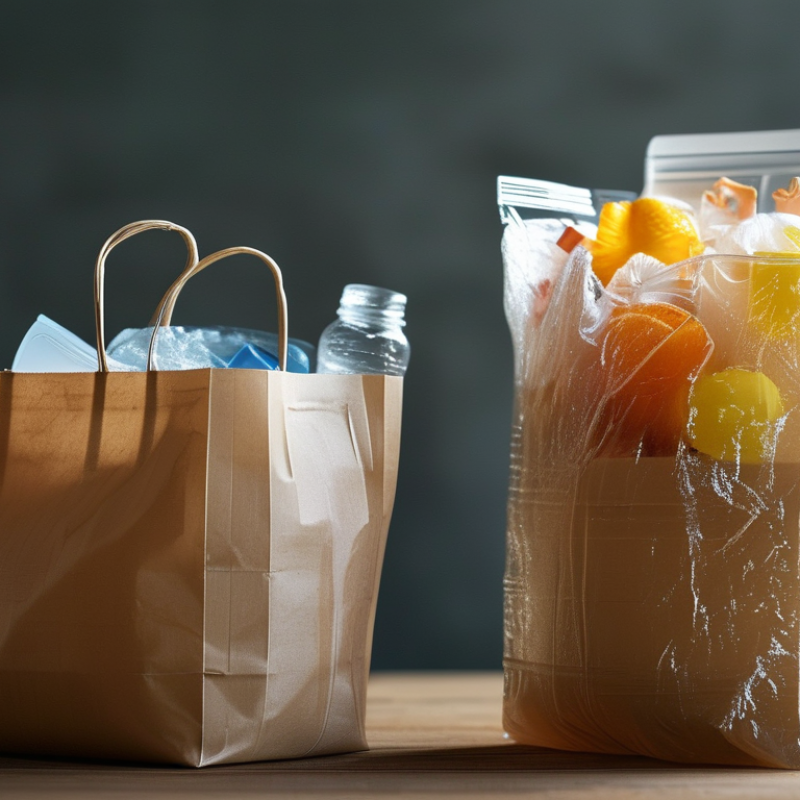
Plastic shopping bags differ in strength, flexibility, and intended use. Thin high-density polyethylene bags, often called T-shirt bags, are light and economical. Their side gussets expand around groceries, while the handles make carrying convenient. However, sharp packaging can puncture them quickly.
Low-density polyethylene bags feel softer and stretch more easily. They suit clothing, bakery items, and other lightweight purchases. Flat-handle bags provide a cleaner appearance and often hold wider objects. Thicker reusable plastic bags offer better durability, moisture resistance, and load capacity. I have found them useful for heavy vegetables, but overloading still damages the seams.
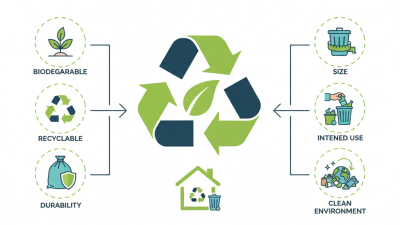
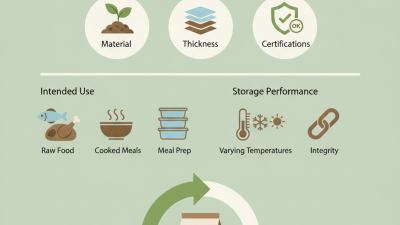
Material thickness matters. So does handle design. Recycled-content bags can reduce demand for new plastic, although their quality depends on manufacturing controls. “Biodegradable” claims also need careful checking, because some materials require specific industrial conditions. A bag that survives many shopping trips may perform better than several thin replacements. Yet reuse only helps when the bag is actually reused. I once kept a thick bag in my car and still forgot it at home. Small habit, real impact. After use, empty bags should be clean and dry before checking local recycling guidance.
| Bag Type | Typical Material | Common Thickness | Strength and Load Performance | Appearance | Moisture Resistance | Reusability | End-of-Life Considerations | Best Use |
|---|---|---|---|---|---|---|---|---|
| HDPE T-Shirt Bag | High-density polyethylene | Approximately 8–20 micrometres | Good tensile strength and efficient for light-to-medium loads; can be noisy and less resistant to sharp edges. |
Thin, slightly cloudy, and often crinkly | Excellent resistance to water and many household chemicals | Moderate; suitable for repeated light-duty use if not damaged | Recyclable where flexible polyethylene film collection is available. Local recycling rules vary. | Supermarkets, convenience stores, and lightweight retail purchases |
| LDPE Flat Bag | Low-density polyethylene | Approximately 25–60 micrometres | Flexible and tear-resistant, with better puncture tolerance than very thin HDPE bags. |
Soft, smooth, and relatively translucent | Excellent moisture barrier | Good when the bag is thick enough and remains clean and intact | Recyclable through appropriate polyethylene film programs; usually not accepted in standard curbside bins. | Clothing, household goods, bakery items, and products needing flexibility |
| LLDPE Reusable Carrier Bag | Linear low-density polyethylene | Approximately 50–100 micrometres | High flexibility, tear resistance, and impact strength; handles heavier or irregularly shaped products well. |
Soft, flexible, and commonly translucent or printed | Excellent water resistance | High; designed for multiple shopping trips when properly used | Recyclable as polyethylene film where collection and processing facilities exist. Reuse before recycling is preferable. | Regular grocery shopping, heavier goods, and multipurpose retail use |
| Recycled-Content Polyethylene Bag | Recycled HDPE, LDPE, or LLDPE, sometimes blended with virgin resin | Approximately 30–100 micrometres | Performance depends on recycled content, resin quality, thickness, and manufacturing controls. |
May be slightly less clear or more varied in color than virgin plastic | Very good to excellent | Moderate to high, depending on thickness and construction | Can generally enter the same polyethylene recycling stream as comparable bags, subject to local rules. Recycling does not necessarily mean compostable. | Retail bags where reduced use of virgin plastic is a priority |
| Heavy-Duty Polyethylene Bag | Thick LDPE or LLDPE | Usually above 100 micrometres | Very good puncture, tear, and load resistance; suitable for repeated handling. |
Opaque, semi-opaque, or clear depending on formulation | Excellent | Very high when cleaned and stored properly | Recyclable through suitable polyethylene film programs. Long service life can reduce the need for replacement bags. | Bulk purchases, hardware, garden supplies, and heavy retail products |
| Compostable Shopping Bag | Usually certified compostable bioplastic or a fiber-based plastic blend | Commonly 20–60 micrometres | Often adequate for light-to-medium loads, but performance can be more sensitive to heat, moisture, and storage conditions. |
Usually opaque or translucent with a softer feel | Good for normal short-term use; some materials can weaken in damp conditions | Low to moderate; intended mainly for limited use | Requires the appropriate industrial or home composting conditions stated by the applicable certification. It should not be placed in plastic recycling unless specifically accepted. | Organic-waste collection and locations with verified composting infrastructure |
| Degradable Additive-Containing Plastic Bag | Conventional polyethylene with a degradation-promoting additive | Approximately 20–60 micrometres | Comparable to a conventional bag of the same thickness, although long-term behavior varies by formulation and conditions. |
Similar to conventional polyethylene | Very good | Low to moderate | Not automatically compostable or recyclable. Additives may complicate recycling, and disposal claims should be verified against recognized standards and local regulations. | Only where the material specification and disposal pathway are clearly documented |
Selection guide: For general shopping, a sufficiently thick reusable LLDPE or heavy-duty polyethylene bag is usually the most practical choice. For the lowest material use in light-duty applications, an HDPE bag may be suitable. A compostable bag is appropriate only when a compatible composting system is available and verified.