In the world of household waste management, choosing the right garbage bags is crucial. Among the various options available, Drawstring Garbage Bags stand out due to their versatility and ease of use. According to industry expert Lisa Caldwell, "The right drawstring bag can make the messy task of disposing waste much simpler." This statement reflects the importance of selecting high-quality bags for effective waste disposal.
Drawstring Garbage Bags come in various sizes and strengths, making them suitable for different tasks. Compared to regular trash bags, they offer the convenience of easy closure. Their design often prevents spills and leaks, ensuring cleanliness in your home. However, with so many products on the market, it can be challenging to pick the best option.
Some bags may not be as durable as advertised, leading to frustrations when dealing with heavy waste. Additionally, a few brands might not have eco-friendly options. Therefore, it is essential to carefully evaluate features and reviews before making a choice. The right Drawstring Garbage Bags should enhance your waste management experience rather than complicate it.
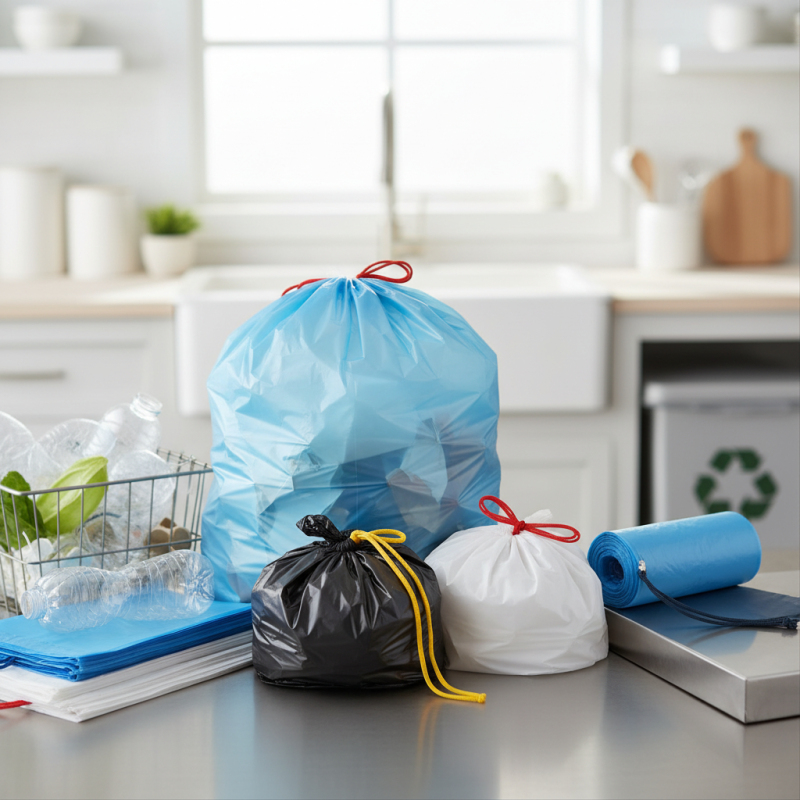
When selecting drawstring garbage bags, consider thickness and durability. Reports show that thicker bags resist tearing better. A 0.9 mil thickness offers superior strength for daily household waste. Compare this to thinner options, which may compromise during disposal.
Another key feature is the drawstring closure. Data indicates that bags with a secure drawstring significantly reduce spillage. Users appreciate how tightly they can close the bag, preventing odors and mess. Easy handling is crucial, especially for larger bags.
Capacity also matters. Standard sizes range from 30 to 50 gallons. Large families often benefit from bigger options. Reports suggest that larger bags can minimize the frequency of replacements. However, oversizing may lead to unnecessary waste. Finding the right balance is essential. Consider the volume of your waste when making a selection—too big isn't always better.
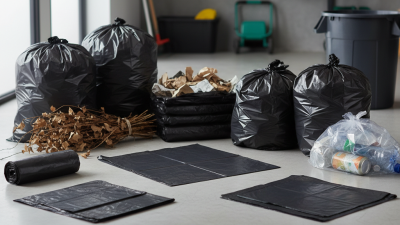
When choosing drawstring garbage bags, the material plays a crucial role. Most bags are made from plastic, but not all plastics are equal. High-density polyethylene (HDPE) is common. It’s strong and resistant to punctures. This material works well for light to medium waste. Also, low-density polyethylene (LDPE) offers greater flexibility. It can handle heavier loads comfortably.
Biodegradable options are gaining popularity. These bags break down over time and are eco-friendly. However, they may not be as durable as traditional plastics. Consider your waste type before making a choice. Gather any food scraps? Opt for thicker bags. Dispose of all kinds of waste? Choose sturdy materials.
**Tips:** Always check the thickness when purchasing bags. Thicker bags usually handle weight better. Store your bags in a cool, dry place. This helps maintain their strength. Consider the bag size too. A too-small bag might tear easily. Matching the size to your bin can prevent messes.
| Material Type | Strength Rating (lbs) | Capacity (Gallons) | Eco-Friendly | Price per Bag ($) |
|---|---|---|---|---|
| HDPE (High-Density Polyethylene) | 20 | 13 | No | 0.15 |
| LDPE (Low-Density Polyethylene) | 25 | 30 | Yes | 0.25 |
| Recycled Plastic | 30 | 20 | Yes | 0.30 |
| Biodegradable | 15 | 10 | Yes | 0.40 |
| Thick Plastic | 35 | 33 | No | 0.50 |
When it comes to drawstring garbage bags, choices abound. Many people rely on popular brands that offer high-quality options. These bags are designed to provide strength and convenience. You can find sizes that fit standard bins perfectly. A good drawstring bag seals tightly, preventing spills.
Users often rave about the thickness and durability of these bags. They hold up well under pressure. Some claim their garbage bags can handle heavier loads without tearing. However, not all brands live up to expectations. Occasionally, some bags fail to meet durability standards. A few users have reported frustrating incidents of bags splitting.
Finding the right fit for your needs is essential. Some prefer scented options to mask odors. Others prioritize eco-friendly materials. The variety is wide, yet personal preference plays a significant role. Exploring reviews can be helpful. But experiences may vary, and what works for one may not for another. It's vital to choose wisely and consider your specific requirements.
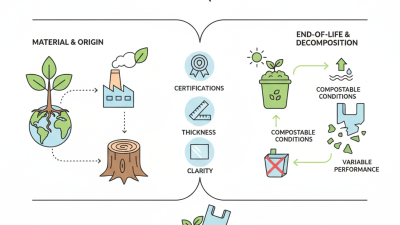
As eco-conscious consumers become more prominent, sustainability in drawstring garbage bags has gained attention. A report from the Environmental Protection Agency (EPA) indicates that plastic waste contributes significantly to landfills, with about 27 million tons discarded annually. Many users now seek alternatives that minimize environmental impact. Bioplastics and recycled materials have emerged as viable options.
Some drawstring garbage bags are made from renewable resources. They offer similar functionality to conventional plastic bags but break down more easily in landfills. A study shows that bioplastic bags can decompose in about six months, compared to traditional plastics, which take hundreds of years. However, the effectiveness of these alternatives varies. Users must ensure that they are disposing of them correctly to see the promised benefits.
While many eco-friendly bags exist, not all perform well under daily use. Some may leak or fail to hold weight as efficiently. Users report frustration over durability issues, despite their desire to choose sustainable options. This highlights the need for higher standards in the eco-friendly product sector. Ultimately, finding a balance between performance and sustainability remains a challenge for the environmentally aware shopper.
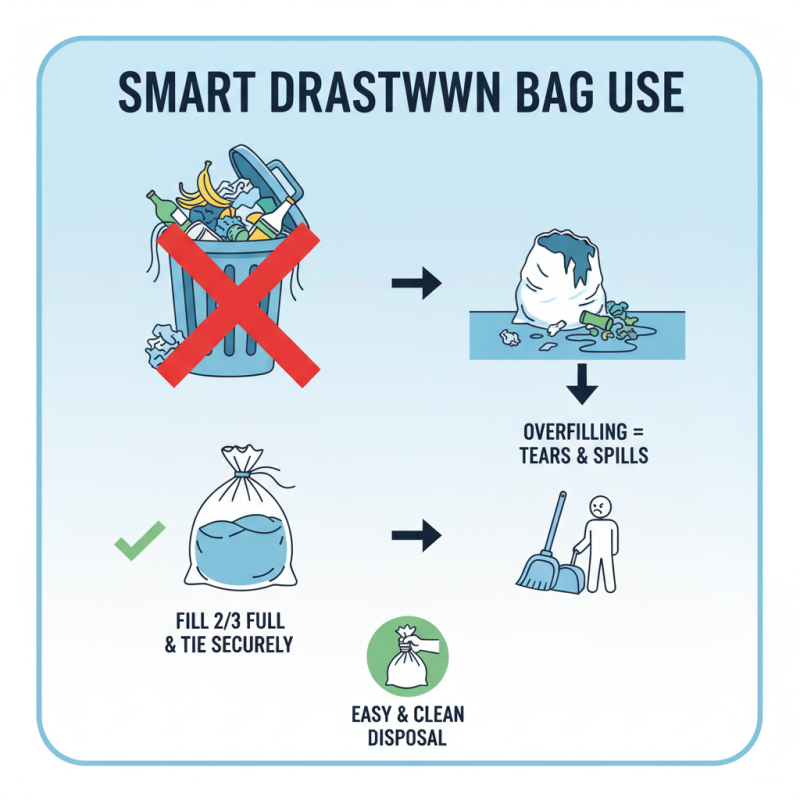
When using drawstring garbage bags, proper handling is essential. These bags are convenient, but if misused, they create problems. It's easy to overfill them, leading to tears. A bag that splits can spill waste onto your floor. This can be messy and unpleasant. You'll end up cleaning more than you planned.
One tip: avoid using bags for hazardous waste. Drawstring bags are designed for general garbage. Using them for chemicals or sharp objects can be dangerous. Always check local disposal guidelines. Many communities have specific regulations for hazardous materials. Ignoring these can lead to fines.
Another point to consider is tying the bag properly. A loose knot may cause it to open unexpectedly. After you've tied it, give it a gentle tug. Make sure it feels secure. A well-tied bag reduces the risk of spillage. If the bag leaks, it could spread unpleasant odors. Keeping your space clean is crucial. Taking these steps ensures your garbage collection goes smoothly.