2026 Best Garbage Bags Plastic Options for Every Household Needs?
In today's world, managing waste properly is essential for every household. Garbage Bags Plastic play a crucial role in this process. They come in various sizes and strengths, catering to different needs. Families can no longer rely on flimsy options. A sturdy bag prevents leaks and spills, ensuring a cleaner home.
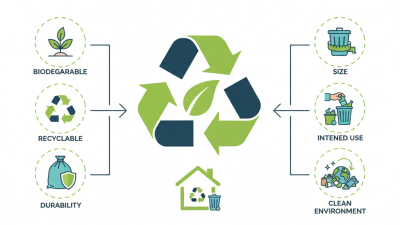
Many options exist in the market. However, not all Garbage Bags Plastic are created equal. Some are biodegradable, while others are not. It’s important to consider environmental impact. Some consumers choose cheaper alternatives, overlooking quality. This decision can lead to more waste in the long run. Finding the right balance between cost and functionality is key.
Embracing efficient garbage management starts with the right products. Finding suitable options may require some trial and error. Consider your specific needs before making a purchase. A little research helps identify the best garbage bags for your household. Remember that small choices can make a significant difference.
Top Features to Consider When Choosing Garbage Bags for Households
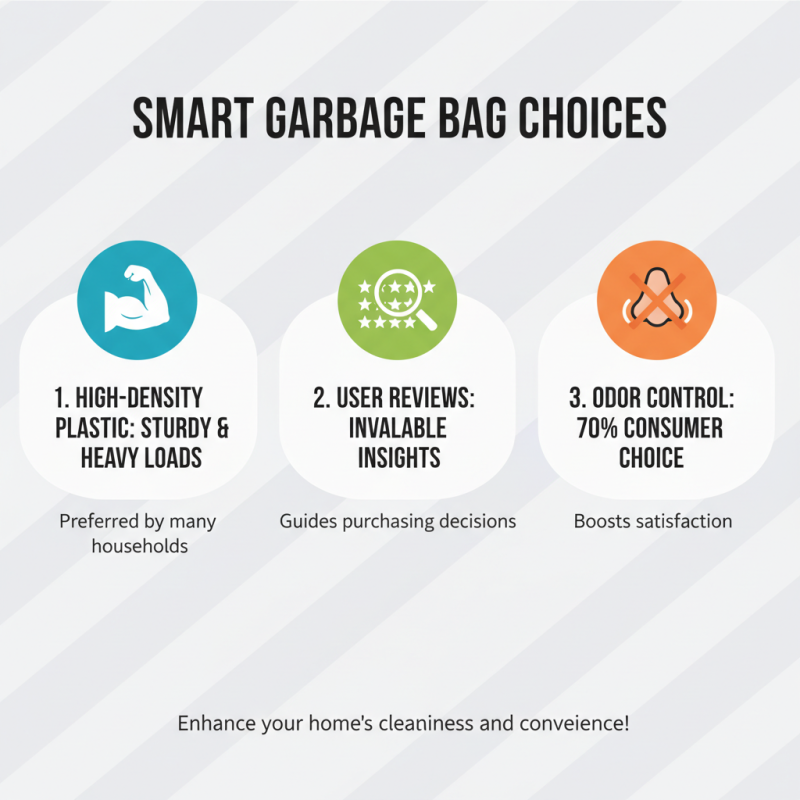
When selecting garbage bags for your home, several key features are essential to consider. Durability is crucial. You want bags that can handle heavy loads without tearing. Look for bags that are puncture-resistant. A bag that splits open is not only a mess but also an inconvenience.
Capacity is another important factor. Assess the size of your bins. A bag that is too small will overflow, creating a cleanup nightmare. A variety of sizes can accommodate different needs. Sometimes, a larger bag may seem excessive but can save you from changing bags too frequently.
On top of that, think about odor control. Some bags come with scented options or built-in odor blockers. This is helpful for older waste. However, scents may not neutralize strong odors effectively. You might find yourself reconsidering this feature after a few uses. Opt for bags that offer both strength and smell protection, but be aware of the limitations. It's all about finding balance in the features that suit your household best.
Types of Plastic Materials Used in Garbage Bags: A Comprehensive Guide
When choosing garbage bags, understanding the types of plastic materials used is crucial. Most bags are made from low-density polyethylene (LDPE) or high-density polyethylene (HDPE). LDPE is flexible and tear-resistant, making it ideal for kitchen use. It's also recyclable, aligning with eco-friendly practices. HDPE, on the other hand, is more durable and stronger, suitable for heavier waste. According to industry reports, over 70% of households prefer LDPE due to its lightweight nature.
Another important material is linear low-density polyethylene (LLDPE), which combines features of both LDPE and HDPE. It offers superior strength while maintaining flexibility. A study in 2022 indicated that LLDPE bags have gained popularity, accounting for around 25% of the garbage bag market. These bags can stretch without breaking, helping to prevent spills even when overfilled.
It's essential to acknowledge that not all plastic bags are created equal. A 2021 report noted that 50% of consumers were unaware of the environmental impact of single-use plastics. This gap in knowledge suggests a need for better communication regarding sustainability. While plastic bags serve their purpose, the increasing waste crisis urges a shift towards more sustainable options. Understanding the materials used can lead to more informed choices, impacting both functionality and environmental footprints.
Best Garbage Bags by Use: Kitchen, Yard, and Recycling Options
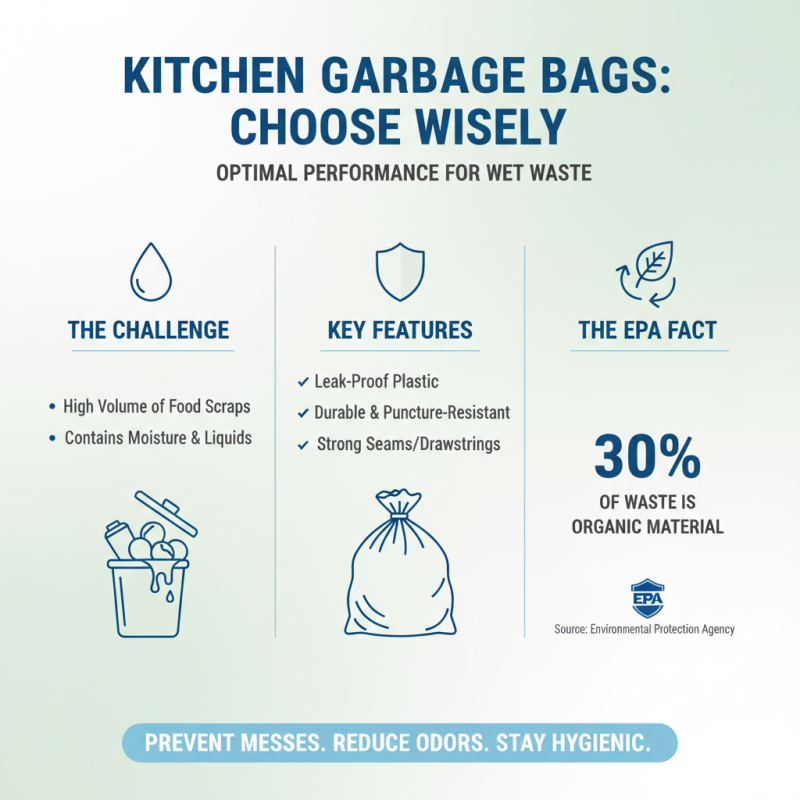
When choosing garbage bags, consider the specific use-case for optimal performance. For kitchens, look for plastic bags that can hold wet waste without leaking. Many households generate a high volume of food scraps, and bags designed to contain moisture are essential. According to the Environmental Protection Agency (EPA), approximately 30% of waste is organic material, highlighting the need for robust kitchen bags.
For yard use, consider bags that are thicker and more durable. Yard waste can include branches, leaves, and grass clippings, requiring stronger materials. A study published in the Journal of Waste Management found that yard waste accounts for nearly 20% of total municipal solid waste. Ensure that the bags you select are compliant with local regulations for yard waste disposal.
Recycling efforts are also important. Opt for clear or blue bags designated for recyclable materials. This helps with sorting and ensures proper recycling processes. Tips: Always check your local recycling guidelines. Inconsistent bag types can lead to contamination in recycling streams. Remember, not all plastic bags are created equal; invest in those that fit your needs. It’s a small change, but it can greatly impact waste management efficiency.
Eco-Friendly Garbage Bag Alternatives: Sustainable Choices for 2026
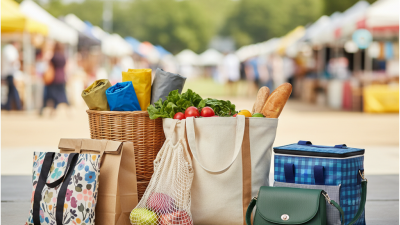
In 2026, many households are seeking eco-friendly garbage bag options. Sustainable choices are vital as pollution concerns grow. Traditional plastic bags harm the environment, taking centuries to decompose. Thus, finding alternatives is essential for responsible living.
Biodegradable bags made from plant materials can be an excellent option. They break down naturally and reduce landfill waste. Some options include bags made from cornstarch or sugarcane. While they offer environmental benefits, they can be pricier than conventional bags. It’s a challenge for budget-conscious consumers.
Recycling remains an important aspect of sustainability. Many cities now implement recycling programs for plastics. However, many residents struggle with proper sorting. Education on which items are recyclable is lacking. This may lead to confusion and missed opportunities for recycling. Adopting better habits requires effort and reflection on current practices. Embracing eco-friendly alternatives is a step forward, but the journey is ongoing.