2026 Best Trash Bags for Every Household Need and Environmentally Friendly Choices?
Choosing the right trash bags can significantly impact your daily life. The trash bag you use not only influences your convenience but also affects the environment. With a variety of options available, picking one may seem daunting. Different households have unique needs, and understanding them is crucial.
In 2026, a range of trash bags has emerged that cater to every household’s specific requirements. From kitchen waste to yard debris, the right bag can make a difference. Environmental concerns are also rising. Biodegradable and eco-friendly trash bags are becoming popular choices. They align with a growing desire to reduce plastic waste.
Yet, it's important to recognize that not all trash bags are created equal. Some may promise durability but fail in real-world use. Others can be made from recycled materials but may not match performance standards. It’s essential to reflect on your choices. Are you prioritizing function or sustainability? Understanding these aspects will help you select the best trash bags for your home.
2026 Trends in Household Trash Bag Materials and Designs
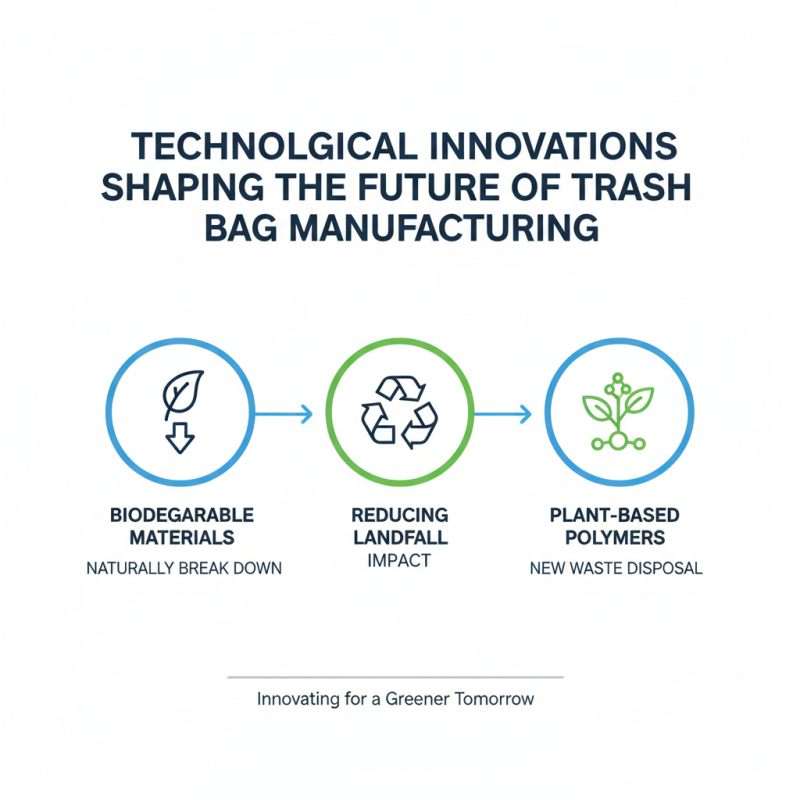
As households strive to be more eco-conscious, the demand for innovative trash bag materials is on the rise. Most traditional trash bags are made from petroleum-based plastics, which contribute to significant environmental issues. Recent trends focus on biodegradable options that decompose more quickly and reduce landfill waste. These bags often use renewable resources, such as cornstarch or other plant materials. They offer a practical solution for environmentally aware consumers while maintaining durability for everyday tasks.
Designs are evolving as well. Many newer trash bags boast improved features like odor control and leak-proof technology. These advancements cater to the growing need for functionality without compromising sustainability. Some bags even come in stylish colors or patterns, making them more appealing for home use. However, not all designs are perfect. Some users report issues with tear resistance. This inconsistency highlights the importance of testing materials and understanding their real-world performance. Every consumer should consider their specific needs before making a purchase.
2026 Best Trash Bags for Every Household Need and Environmentally Friendly Choices
| Type |
Material |
Capacity (Gallons) |
Strength Rating |
Biodegradable |
Average Price ($) |
| Kitchen |
HDPE |
13 |
Strong |
No |
10.99 |
| Yard Waste |
Biodegradable |
33 |
Very Strong |
Yes |
15.49 |
| Recycling |
Recycled Materials |
40 |
Moderate |
Yes |
12.99 |
| Contractor |
LLDPE |
42 |
Extra Strong |
No |
19.99 |
| Compostable |
Corn Starch |
13 |
Strong |
Yes |
13.49 |
Assessing the Environmental Impact of Common Trash Bag Types
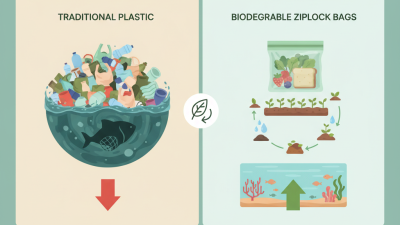
In recent years, the environmental impact of trash bags has gained more attention. Common types, such as plastic and biodegradable bags, display varied ecological footprints. Traditional plastic bags take hundreds of years to decompose. This longevity presents significant issues for waste management and wildlife.
Biodegradable bags seem like a better option. However, many require specific conditions to break down effectively. Without proper disposal methods, they do not always minimize harm. Understanding local waste management practices is crucial. Many consumers assume biodegradable means eco-friendly, but that is not always true.
Recyclable bags offer another alternative. Yet, contamination can render them useless. Cleaning and sorting remain challenges. A holistic approach involves considering the entire lifecycle of trash bags. Resources consumed during production and disposal methods are vital factors. Reflecting on our choices can lead to better habits in waste disposal.
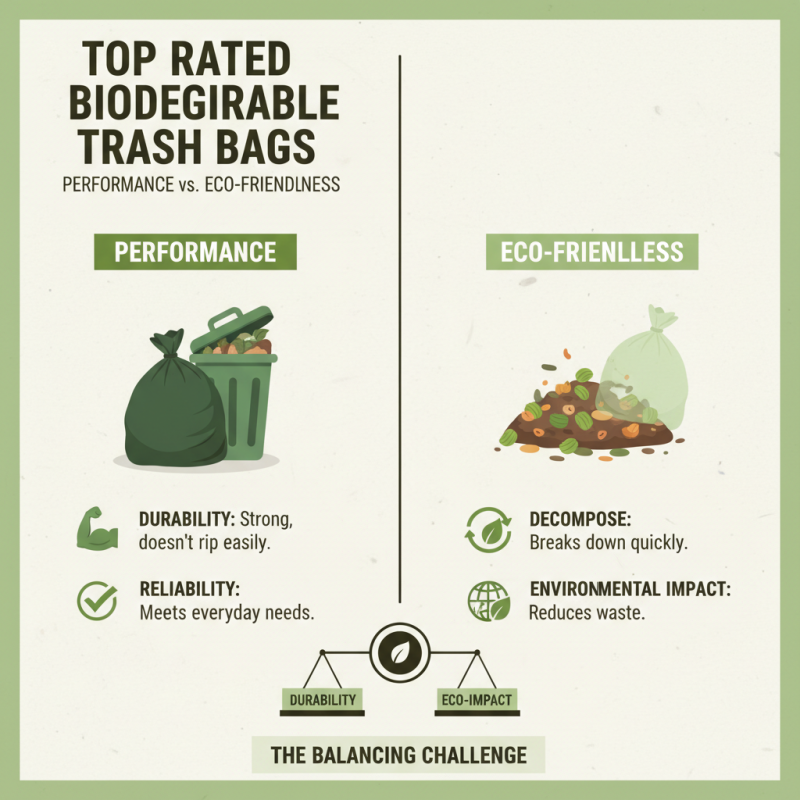
Top Rated Biodegradable Trash Bags: Performance vs. Eco-Friendliness
When considering biodegradable trash bags, it's essential to evaluate their performance alongside eco-friendliness. Many biodegradable options claim to decompose quickly but fail to meet everyday expectations. Some bags are fragile and rip easily, causing frustration during use. The balance between durability and environmental impact remains a challenge for consumers.
One key point is the materials used in these bags. Many brands utilize plant-based polymers, which break down faster than traditional plastics. However, they often require specific conditions for decomposition, like high heat and moisture. This means that even biodegradable bags can persist in landfills, defeating their purpose.
There’s also the issue of disposal. People often overlook that biodegradable bags still need proper settings to decompose effectively. Throwing them in a regular trash bin can lead to extended lifespans. As awareness grows, consumers are starting to request better options that marry performance with their environmental goals. It’s a step forward, but more innovation is necessary for truly sustainable solutions in trash management.
Consumer Preferences: Comparing Price, Durability, and Sustainability
When selecting trash bags, consumers prioritize price, durability, and sustainability. Industry reports indicate that over 40% of shoppers consider durability essential. This often leads to choosing thicker bags that can handle everyday waste without tearing. However, thicker does not always mean better for the environment. Many consumers are now seeking eco-friendly alternatives, like biodegradable bags, which meet their waste management needs while minimizing environmental impact.
Sustainability is gaining traction, with 30% of shoppers now opting for recyclable materials when choosing trash bags. The shift towards greener options reflects a growing concern for the planet. Nonetheless, questions remain about the actual biodegradability of certain products. Many bags labeled as "biodegradable" may still take years to break down in landfills. This raises important considerations for responsible disposal.
Tips: Always check product labels for certifications. Look for bags that specify they can break down within a year. Consider multi-use bags for lighter chores, which can reduce overall waste. Think about the types of waste you generate. Selecting specialized bags for yard waste or recycling can enhance efficiency and sustainability in disposal practices.