2026 Top Biodegradable Food Bags Innovations and Benefits?
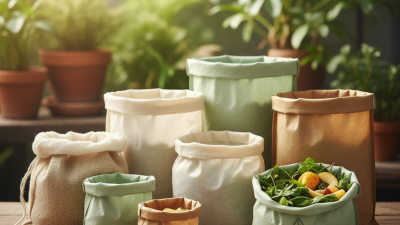
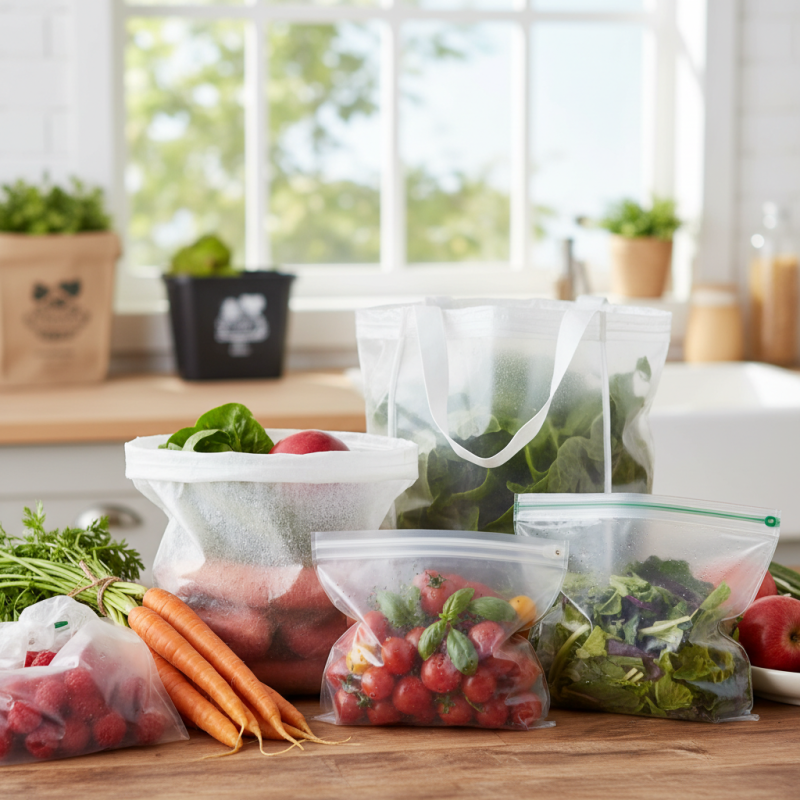
As environmental concerns rise, the demand for sustainable solutions grows. Biodegradable food bags have emerged as a practical answer. These bags break down naturally, reducing plastic waste in landfills. They protect our environment while meeting the needs of consumers.
Innovations in biodegradable food bags are gaining momentum. They are made from plant-based materials, ensuring a lower carbon footprint. Many brands are now focusing on combining functionality with sustainability. For example, some bags offer water resistance and durability without sacrificing eco-friendliness. However, some consumers still find it hard to trust their effectiveness.
The benefits of biodegradable food bags extend beyond their environmental impact. They can help businesses attract eco-conscious customers. Yet, the production process is not perfect. Some biodegradable options may still release harmful substances if not disposed of properly. Awareness and education on their use are crucial for maximizing benefits. Embracing biodegradable food bags represents a significant step towards sustainability, but continuous improvement is essential.
Innovations in Biodegradable Food Bag Materials for 2026
The biodegradable food bag market is evolving rapidly. Innovative materials are being developed to address environmental concerns. In 2026, these innovations will focus on enhancing the functionality and sustainability of food bags. Reports suggest that biodegradable food bags have seen a growth rate of over 25% annually. This surge highlights the industry's commitment to sustainability.
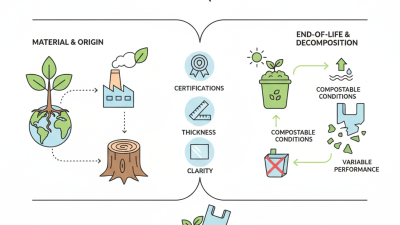
New materials, such as plant-based polymers, are gaining traction. These alternatives to traditional plastics break down more easily in landfills. For example, studies indicate that certain bioplastics decompose within 90 days in industrial composting settings. Yet, not all biodegradable options are equal. Some still leave microplastics behind, raising questions about their overall impact.
Despite progress, challenges remain in the widespread adoption of these materials. Cost is a significant barrier; biodegradable bags often cost more than conventional options. Not all consumers prioritize sustainability. Furthermore, if not properly composted, these bags can contribute to pollution. Balancing cost, effectiveness, and sustainability is crucial for future innovations in biodegradable food packaging.
Benefits of Using Biodegradable Food Bags Over Traditional Plastics
Biodegradable food bags present a sustainable alternative to traditional plastic. These bags break down naturally, reducing litter and pollution. Unlike conventional plastics, which can take hundreds of years to decompose, biodegradable bags degrade within months under the right conditions. This means fewer harmful microplastics entering ecosystems.
Using biodegradable food bags can greatly benefit our environment. For instance, they are usually made from renewable resources, like cornstarch or plant-based materials. They decompose into natural substances, enriching the soil instead of harming it. However, not everyone is aware that proper disposal methods are crucial. If these bags end up in a landfill, they may not decompose effectively.
Many consumers appreciate the eco-friendly image that comes with biodegradable options. Yet, some wonder if they are as durable as traditional plastic. This is a valid concern, as these bags might not hold heavy items as well. Users should consider their specific needs before making a switch. Finding the balance between sustainability and functionality is vital.
Trends in Consumer Preferences for Eco-Friendly Food Packaging
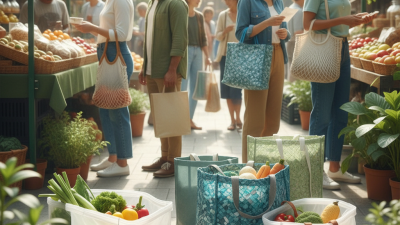
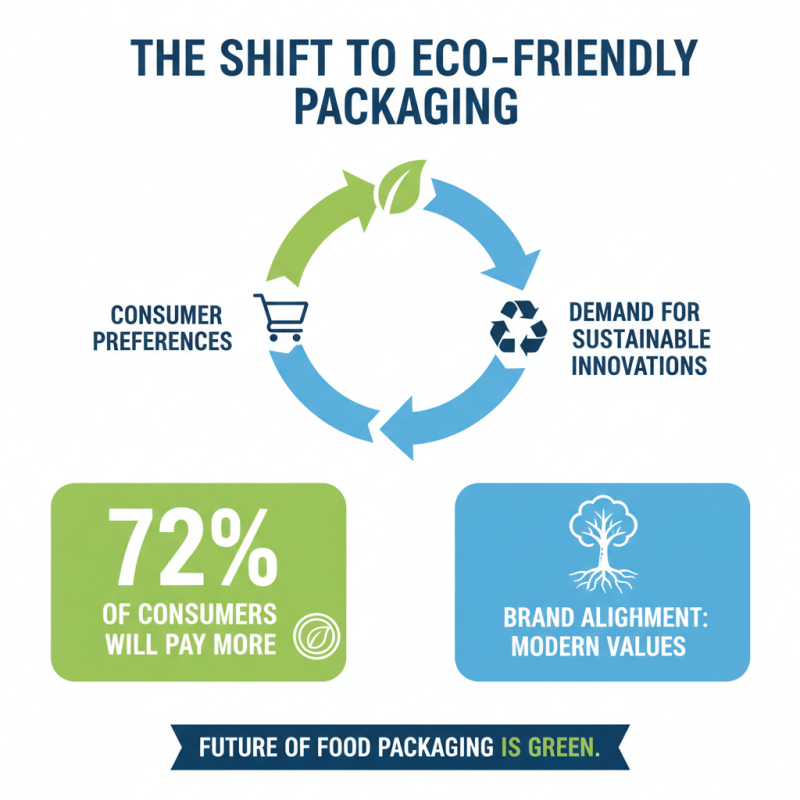
Consumer preferences are shifting towards eco-friendly food packaging, especially biodegradable options. In recent surveys, 72% of consumers indicated a willingness to pay more for sustainable packaging. This trend is crucial for brands aiming to connect with environmentally-conscious customers. Innovations in biodegradable materials are leading the market forward, allowing brands to present solutions that align with modern values.
Many consumers now actively seek products with minimal environmental impact. A report by the Global Industry Analysts highlights that the biodegradable packaging market is expected to reach $700 million by 2026. As awareness grows, the demand for compostable and biodegradable food bags rises. It's essential for businesses to keep up with these changing preferences or risk losing customers.
**Tips:** Engage your audience by promoting biodegradable options. Highlight benefits like reduced landfill waste or lower carbon footprints. Showcase how these choices enhance brand image. Communicating these points can foster a deeper connection with consumers. Remember, transparency in sourcing and production can improve trust. Embrace the challenge; timing and adaptation to these shifts are vital for success.
Regulatory Changes Impacting the Biodegradable Food Bag Market
Recent regulatory changes are reshaping the biodegradable food bag market. As governments implement stricter regulations, companies are pushed to innovate. In 2021, the global biodegradable plastics market was valued at approximately $3.3 billion. This figure is expected to grow, driven by new policies promoting sustainable materials.
The European Union plans to introduce stringent regulations on single-use plastics by 2024. These changes will require businesses to comply with eco-design criteria for packaging. In the U.S., various states are enacting bans on non-biodegradable plastic bags. This shift is encouraging manufacturers to invest in biodegradable solutions. A report from the Ellen MacArthur Foundation suggested that transitioning to a circular economy could generate $1 trillion in economic benefits by 2030.
Despite this progress, challenges remain. Not all biodegradable materials decompose effectively in natural environments. Educating consumers about proper disposal methods is crucial. Misconceptions about these bags can lead to unintended environmental harm. The industry must address these issues to realize its full potential.
2026 Innovations in Biodegradable Food Bags
This bar chart displays the expected growth percentage of different types of biodegradable food bags in the market by 2026. Research indicates that compostable materials lead the growth, followed by recyclable options and corn starch bags. This innovation is crucial as regulatory changes push for more sustainable packaging solutions.
Case Studies of Successful Biodegradable Food Bag Implementations
The rise of biodegradable food bags has transformed the packaging industry. A case study involving a regional grocery chain showed a significant decrease in plastic waste after implementing biodegradable options. Their conversion resulted in a 30% reduction in plastic disposal costs. The bags broke down in a composting environment within 90 days, showcasing their efficiency.
Another example stems from a food delivery company that switched to biodegradable bags. They reported a 25% increase in customer satisfaction after making this change. Customers appreciated the eco-friendly approach, which improved brand loyalty. A survey indicated that 70% of respondents supported biodegradable choices. However, some challenges emerged. The bags were more costly upfront. Managing supply chain logistics proved difficult for some businesses.
Data from industry reports mirrors these findings, stressing that the market for biodegradable packaging is anticipated to grow by 15% annually through 2026. Despite these benefits, skepticism remains. Some businesses expressed concerns about the durability and performance of biodegradable bags compared to traditional options. Continued innovation is crucial, and honest discussions about limitations must take place.