2026 Top Biodegradable Bags Options for Sustainable Living?
In the quest for sustainable living, biodegradable bags emerge as a key player. As we approach 2026, the options available have multiplied. According to Dr. Emma Leroux, a leading expert in sustainable materials, "Using biodegradable bags can significantly reduce our ecological footprint." These bags are designed to break down over time, unlike traditional plastic.
Yet, the industry faces challenges. Not all biodegradable bags decompose as intended. Sometimes, they end up in landfills where they don't break down. This raises questions about production processes and consumer choices. Many consumers remain unaware of these issues, leading to poor purchasing decisions. Awareness is crucial.
As we explore the best biodegradable bags for 2026, it’s essential to consider both benefits and drawbacks. Many companies claim to offer sustainable options. However, the reality may not always meet expectations. Scrutinizing product labels and understanding materials will empower consumers in making better choices. A commitment to sustainability demands more than just switching to biodegradable bags; it requires informed decisions.
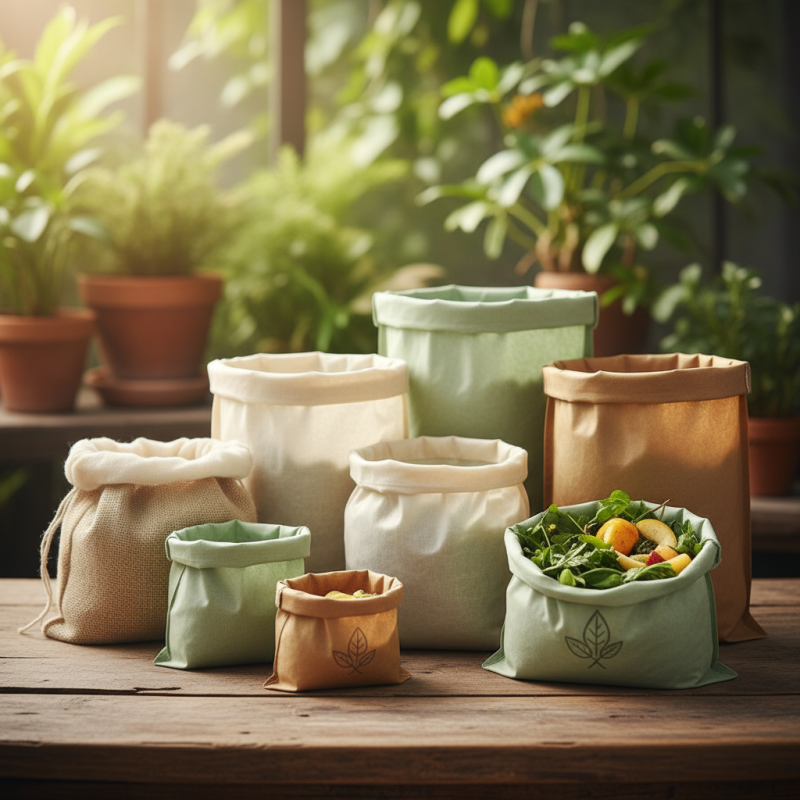
2026 Biodegradable Bags: An Overview of Eco-Friendly Materials
Biodegradable bags are becoming essential in sustainable living. They break down naturally, reducing plastic waste. These bags are made from various eco-friendly materials. Common options include corn starch, vegetable oils, and even recycled paper. Each material has unique properties that affect its biodegradability.
Corn starch bags decompose within a few months in appropriate conditions. They are great for composting. However, they may not be as durable as traditional plastic bags. Vegetable oil-based bags offer similar benefits but can be more expensive. Recycled paper bags are recyclable and biodegradable. However, they often require more energy to produce.
Despite their advantages, biodegradable doesn't mean perfect. Some bags don’t break down as quickly in landfills. Others might still release harmful substances during decomposition. Choosing the right bag requires careful consideration. Sustainability involves ongoing reflection. A balance between convenience and eco-friendliness remains a challenge for many consumers.
Comparison of Key Biodegradable Bag Types: Compostable vs. Oxo-biodegradable
When considering biodegradable bags, two main types emerge:
compostable and
oxo-biodegradable.
Compostable bags are made from natural materials like cornstarch or PLA. They break down in a composting environment within a few months,
leaving no toxic residues. According to the Biodegradable Products Institute, compostable bags can fully decompose in
90 to 180 days under optimal conditions. This provides a clear advantage for
those focusing on sustainability.
On the other hand, oxo-biodegradable bags contain additives to promote decomposition. They break down into small fragments,
but not always into completely harmless substances. A 2021 report from the European Commission noted that these bags may still
contribute to microplastic pollution. The longevity of these plastics can confuse consumers. They might think they are making a sustainable choice.
Yet, many oxo-biodegradable bags might linger in the environment for years.
Each type has its pros and cons. Compostable bags require proper disposal methods,
which some municipalities do not support. Meanwhile, oxo-biodegradable options may mislead users into believing they’re recyclable.
This highlights a significant challenge in the biodegradable landscape. The focus should remain on educating consumers and improving
waste management systems for optimal environmental benefit.
Industry Growth Trends: Biodegradable Bags Market Forecast for 2026
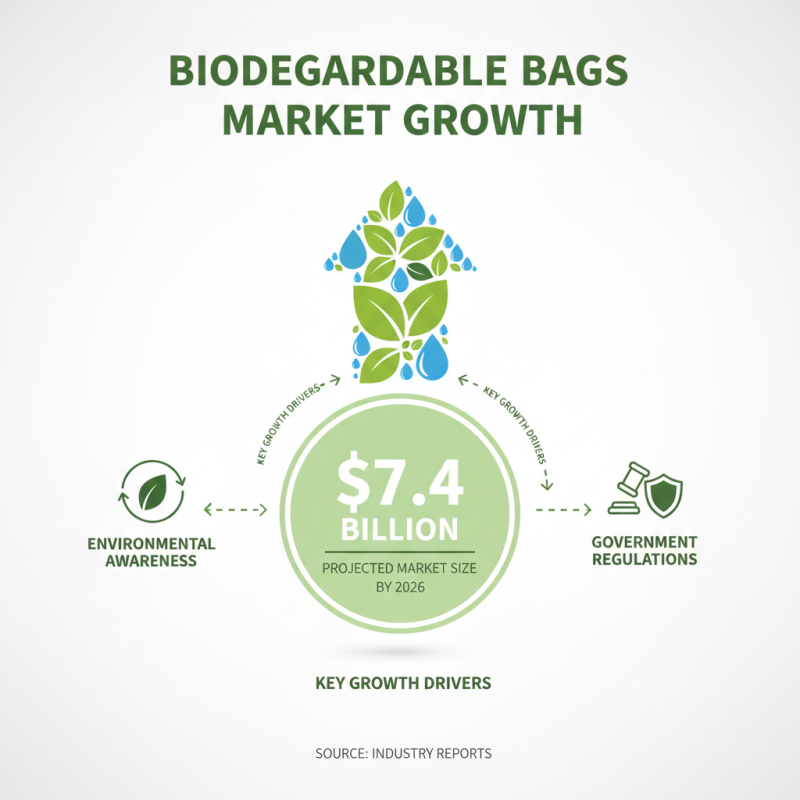
The biodegradable bags market is expected to see significant growth by 2026. According to recent reports, the market size is projected to reach $7.4 billion by this year. This growth is driven by increasing environmental awareness and government regulations pushing for sustainable practices.
More consumers are looking for greener alternatives to traditional plastic bags. A noticeable shift in behavior indicates that eco-conscious choices are becoming mainstream. It's essential for both companies and individuals to adopt biodegradable options. These bags typically break down within a few months, unlike standard plastics that can take hundreds of years.
Tip: Always look for certifications when choosing biodegradable bags. This ensures the product meets industry standards.
Another report highlights a 15% annual growth rate in this sector. Even smaller companies are entering the market, reflecting a broader interest in sustainability. However, not all biodegradable bags are equal. Some may still contain harmful additives.
Tip: Research different types of biodegradable materials. Not all of them are compostable or environmentally friendly.
Choosing the right biodegradable bag can be challenging but crucial for sustainable living. With the right information, making eco-friendly choices becomes more achievable.
Environmental Impact Assessment: Reducing Plastic Waste with Biodegradable Options
Biodegradable bags are becoming essential in our fight against plastic waste. They break down over time, reducing pollution. This relatively quick decomposition is a significant advantage. However, not all biodegradable bags are created equal. Some may still leave microplastics behind. Evaluating the true environmental impact is critical.
When choosing biodegradable bags, consider their material. Options include plant-based materials, which decompose more efficiently. Look for bags labeled compostable. These bags typically return nutrients to the soil. However, proper disposal is crucial. If they end up in landfills, they may not biodegrade as intended.
**Tips:** Always check local regulations on disposal methods. Composting can be a game changer. Reusable bags, though not biodegradable, are a smart alternative. They drastically cut down on waste. Reflect on daily habits. Small changes can accumulate, leading to a significant positive impact over time.
2026 Top Biodegradable Bags Options for Sustainable Living
| Bag Type |
Material |
Biodegradability (Months) |
Compostable |
Strength (Kg) |
Eco-Score (1-10) |
| Shopping Bag |
PLA (Polylactic Acid) |
6-12 |
Yes |
10 |
9 |
| Trash Bag |
Corn Starch |
3-6 |
Yes |
15 |
8 |
| Produce Bag |
Sugarcane |
12-24 |
Yes |
5 |
9 |
| Mailing Bag |
Mushroom Mycelium |
2-4 |
Yes |
8 |
10 |
| Gift Bag |
Recycled Paper |
12-18 |
Yes |
7 |
8 |
Certification Standards: Understanding the Compliance for Biodegradable Bags
Choosing biodegradable bags for a sustainable lifestyle involves understanding certification standards. Many bags claim to be biodegradable, but not all are created equal. It’s essential to look for certifications that indicate compliance with specific environmental criteria.
The ASTM D6400 and EN 13432 standards are two widely recognized certifications. Bags meeting these standards break down into non-toxic components within a specific timeframe. This ensures they won’t pollute the environment. However, some bags might still leave behind microplastics, which is a concern. Inspect the labels closely, and don’t hesitate to question manufacturers about their credentials.
You might encounter variations in claims. Some bags decompose under industrial conditions, but not in home composts. This leads to confusion among consumers. Familiarizing yourself with these nuances is crucial. Sustainability should not become a marketing ploy. Make informed choices to truly support eco-friendly practices. Remember, each purchase influences the market.