2026 Top Trends in Biodegradable Food Bags Are They the Future of Packaging?
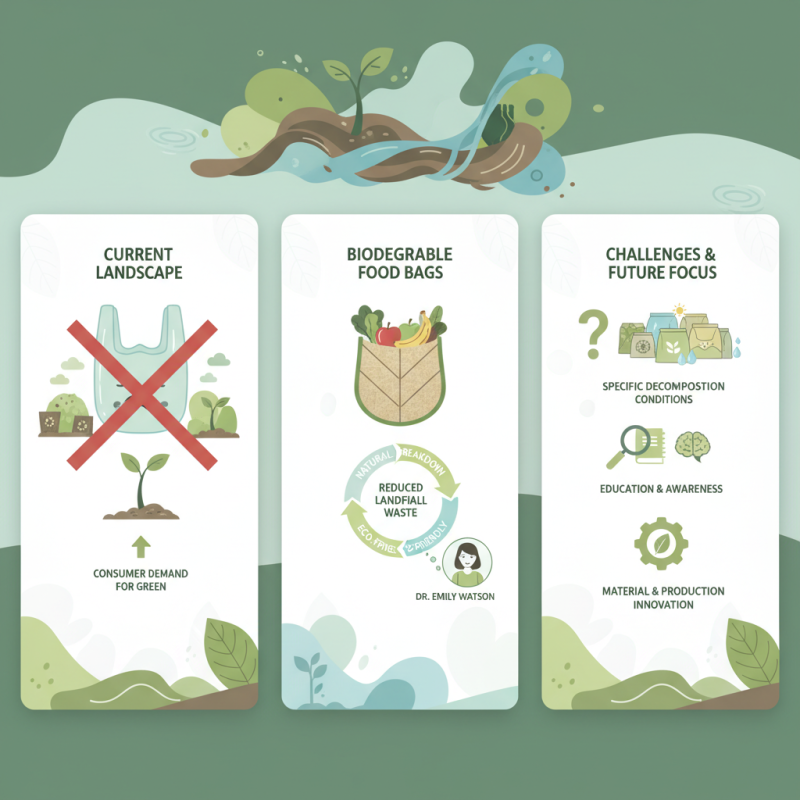
The future of packaging is evolving rapidly, and "Biodegradable Food Bags" are at the forefront of this trend. Experts in the industry believe these bags could reshape how we view food packaging. Dr. Emily Watson, a noted sustainability specialist, recently stated, “Biodegradable food bags represent a crucial shift toward eco-friendly solutions in our daily lives.”
These bags promise an alternative to traditional plastic, which often harms the environment. In the past, consumers largely accepted single-use plastics without considering their long-lasting impact. Today, the demand for greener choices has grown significantly. Biodegradable food bags are designed to break down more naturally, reducing waste in landfills.
However, challenges remain. Many biodegradable options still rely on specific conditions to decompose. Education and consumer awareness are crucial. Understanding what truly qualifies as biodegradable can be confusing. As the industry progresses, materials and production methods will require scrutiny. These steps are vital for making sure biodegradable food bags fulfill their promise of sustainability.
Overview of Biodegradable Food Bags and Their Significance
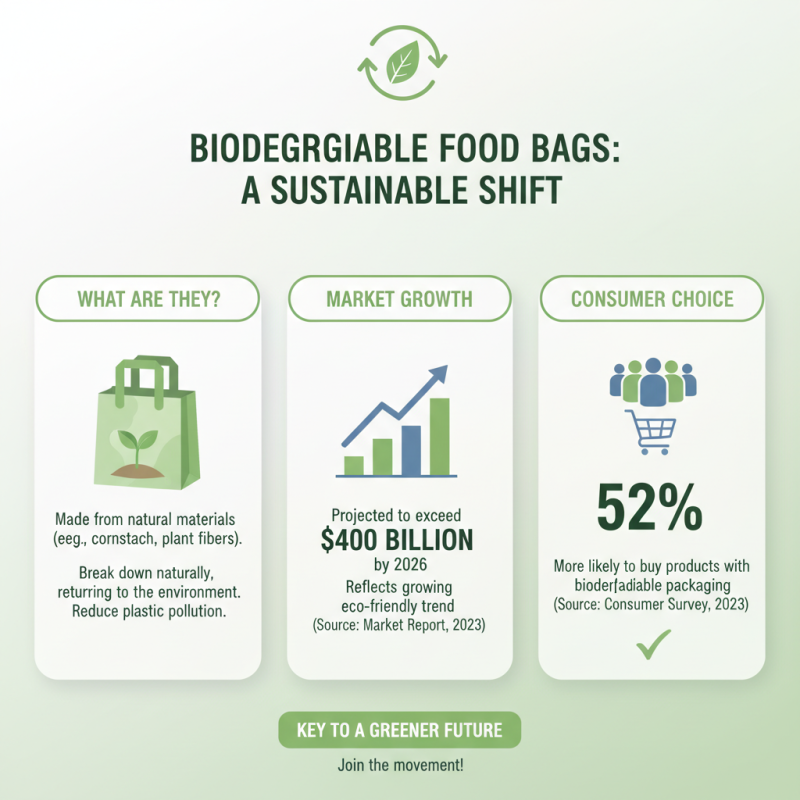
Biodegradable food bags are emerging as an essential component of sustainable packaging. According to a recent market report, the biodegradable packaging market is projected to surpass $400 billion by 2026. This growth reflects a shift in consumer preferences towards eco-friendly products. Today, about 52% of consumers are more likely to purchase products that utilize biodegradable materials.
These bags offer significant environmental benefits. They break down more quickly than traditional plastic, reducing landfill waste. However, the effectiveness of biodegradability depends on proper disposal conditions. Many products still end up in landfills, where they may not decompose as intended. This raises questions about the true impact of biodegradable solutions.
Challenges remain in terms of cost and performance. Biodegradable bags can be more expensive than conventional options. Additionally, they may not hold up as well under certain conditions. Some users report disappointment due to fragility or lesser barrier properties. The industry must address these concerns to maximize the potential of biodegradable food bags.
Current Innovations in Biodegradable Materials for Packaging
The quest for sustainable packaging has led to innovations in biodegradable materials. Cornstarch, for instance, can be transformed into strong and eco-friendly bags. These materials break down naturally, reducing landfill waste. Research shows that these biodegradable options can decompose in months rather than years. This shift could change how food is packaged and consumed.
Tips: Consider choosing products packed in biodegradable materials. When shopping, look for labels that specify compostability. Educate others about the benefits of these alternatives.
Another exciting development is the use of mushroom mycelium. This natural material is not only biodegradable but also has impressive insulating properties. Biodegradable food bags made from such materials could reduce reliance on plastics. Yet, challenges remain in scalability and cost-effectiveness. An industry-wide shift may not happen overnight, but the potential is there.
Tips: Support businesses that prioritize sustainable practices. Start small; switch to biodegradable bags for your grocery shopping. Remember, every choice count.
Environmental Impact of Traditional vs. Biodegradable Food Bags
The environmental impact of traditional food bags is significant. Most of these bags are made from plastic, which takes decades to decompose. They often end up in landfills or oceans, harming wildlife. Sea turtles and birds mistake plastic for food, leading to fatal outcomes. The pollution generated by plastic production is another serious concern.
On the other hand, biodegradable food bags are gaining traction. They are made from materials like cornstarch or other plant-based resources. These bags decompose more quickly than traditional plastics. However, they still face challenges. Some biodegradable bags require specific conditions to break down effectively. If they end up in regular landfills, decomposition could take much longer than expected.
Not all biodegradable options are equal. Some simply break into microplastics, which can still harm the environment. Consumers need to be informed about what to choose. It’s crucial to reconsider our habits and the types of products we use daily. Awareness and education are essential as we explore more sustainable packaging solutions.
Consumer Perception and Acceptance of Biodegradable Packaging
Consumer perception of biodegradable packaging is evolving. According to recent research, about 70% of shoppers believe that sustainable packaging is crucial for environmental protection. However, awareness of biodegradable materials remains low. Many consumers still confuse biodegradable with compostable, leading to misconceptions.
Reports indicate that 54% of respondents are hesitant to pay more for biodegradable bags. Price sensitivity can deter widespread adoption. Additionally, only 40% of people trust claims made by manufacturers about biodegradable products. This skepticism highlights a need for clearer labeling and education.
Sustainability should not just sound good; it must be effective. Biodegradable bags can take time to break down, and this can worry many consumers. They question how long it will take and if it will work effectively in landfills. Understanding these nuances is essential. As companies strive to innovate in packaging, addressing these perceptions could shape the industry's future.
2026 Trends in Biodegradable Food Bags
Future Prospects and Challenges in the Biodegradable Food Bag Industry
The biodegradable food bag industry is rapidly growing. A recent report from Smithers shows that the market will reach $1.2 billion by 2026. This shift highlights a strong consumer demand for sustainable packaging options. Many people are increasingly concerned about plastic pollution. They desire alternatives that reduce environmental impact.
However, the industry faces significant challenges. Production costs for biodegradable materials remain high compared to traditional plastics. The technology is still developing and needs further investment. Additionally, consumers may not fully understand how to dispose of these bags correctly. Misleading labeling can confuse waste management practices. Efforts to educate the public on proper disposal are crucial.
There are also concerns about the effectiveness of biodegradable bags in real-world conditions. Some products break down only in specific environments, like industrial composting facilities. This limits their effectiveness in typical waste streams. The need for innovation in materials and waste systems is evident. Collaboration between manufacturers, policymakers, and consumers is essential for growth in this sector.
2026 Top Trends in Biodegradable Food Bags Are They the Future of Packaging? - Future Prospects and Challenges in the Biodegradable Food Bag Industry
| Trend |
Description |
Market Impact |
Challenges |
| Increased Demand for Sustainability |
Consumers are looking for packaging options that are environmentally friendly and biodegradable. |
Projected growth of biodegradable packaging market at a CAGR of 15% through 2026. |
High production costs and limited manufacturing capabilities. |
| Innovation in Materials |
Development of new biodegradable materials that perform well for food preservation. |
Enhanced product life cycle and reduced environmental footprint. |
Research and development costs can be high. |
| Regulatory Changes |
Stricter regulations and policies promoting the reduction of plastic usage. |
Potential for increased market share for biodegradable products. |
Compliance with varying international regulations. |
| Consumer Education |
Need for educating consumers about the benefits and proper disposal of biodegradable bags. |
Increased consumer awareness can drive higher sales. |
Misinformation about biodegradability and disposal methods. |
| Collaboration Across Industries |
Partnerships between material scientists, packaging companies, and food brands. |
Creates innovative solutions and comprehensive market strategies. |
Coordination between diverse stakeholders can be complex. |