2026 Top Trends in Disposable Plastic for Global Buyers?
In recent years, the trends in Disposable Plastic have transformed significantly. As global buyers face increasing environmental concerns, the demand for sustainable solutions grows. This presents a challenge and opportunity for manufacturers and consumers alike.
Innovations in Disposable Plastic aim to balance convenience and sustainability. However, not all advancements deliver on this promise. Buyers must critically evaluate new products. Some may still contribute to environmental issues despite their innovative appearance.
As 2026 approaches, the landscape of Disposable Plastic will continue to evolve. Companies need to adapt to changing regulations and consumer preferences. Awareness of social responsibility will influence purchasing decisions. It is crucial to scrutinize the implications of these trends as they can have lasting effects on our planet.
Top Innovations in Disposable Plastic Products for 2026
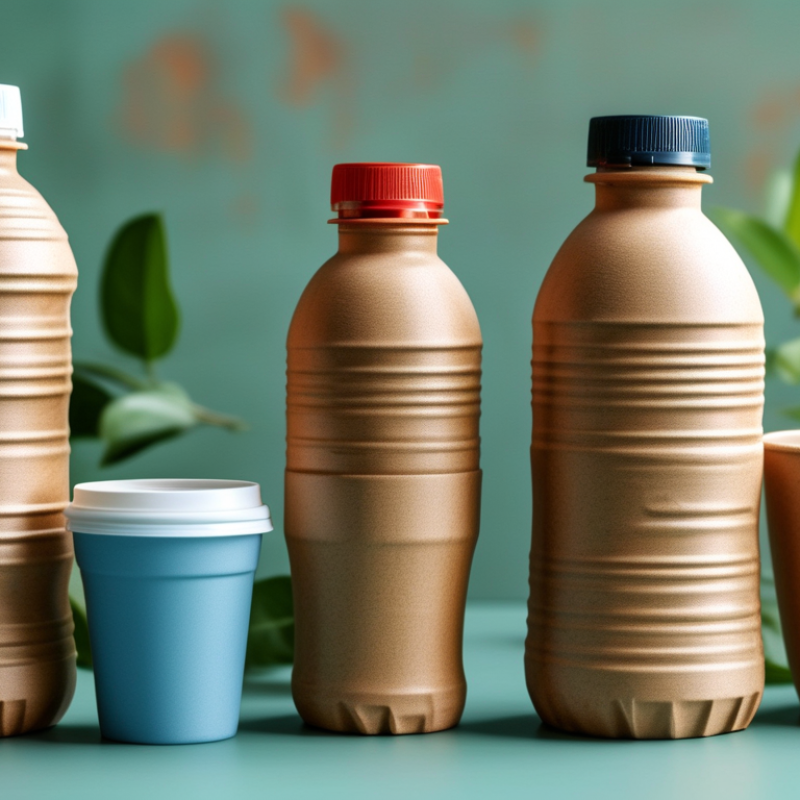
As we look toward 2026, the landscape of disposable plastic products is evolving rapidly. Innovations are aimed at reducing environmental impact while meeting global consumer needs. One exciting trend involves biodegradable plastics, crafted from natural sources. These materials break down more easily and reduce long-term waste in landfills. However, consumer awareness and understanding of these products still lag, posing a challenge.
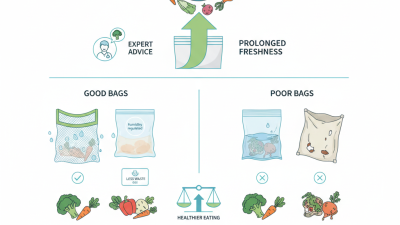
Another notable development is the integration of smart technology into disposable plastics. These products can monitor freshness and provide data for supply chains. For instance, sensors in food packaging can indicate spoilage. This technology promises to minimize food waste but raises questions about how to recycle such complex materials effectively. The complexity of integrating technology into disposables may lead to more waste if not handled responsibly.
Moreover, the push for reusable designs is gaining traction. Products that can serve multiple purposes are increasingly favored. This shift challenges traditional notions of disposability. While it reflects a positive change in consumer mentality, there is still a resistance to changing habits. Addressing these concerns will be key for manufacturers aiming to lead in the market while promoting sustainability.
2026 Top Trends in Disposable Plastic for Global Buyers
| Trend |
Product Type |
Sustainability Aspect |
Market Demand |
Projected Growth Rate |
| Biodegradable Materials |
Cups and Plates |
Compostable within 90 days |
High |
25% |
| Smart Packaging |
Food Containers |
Recyclable with tech integration |
Medium |
15% |
| Reduced Usage |
Single-use Bags |
Less plastic usage through redesign |
High |
20% |
| Reusable Options |
Straws and Cutlery |
Long-lasting and eco-friendly |
High |
30% |
| Edible Packaging |
Food Wraps |
Zero waste solution |
Medium |
40% |
Sustainable Materials: The Future of Disposable Plastics
The world of disposable plastics is undergoing a crucial transformation. As concerns over environmental impact grow, sustainable materials are emerging as the future of this industry. Manufacturers are exploring biodegradable alternatives and recycled materials that reduce landfill waste. These innovations can significantly lower the carbon footprint associated with single-use plastics.
Incorporating plant-based polymers is a notable trend. These materials decompose more easily than traditional plastics. However, not all biodegradable options perform equally. Some may require specific conditions to break down, raising questions about their practicality in everyday use. Buyers should be vigilant about the products they choose and their real environmental benefits.
Education and transparency are essential. Understanding the differences between materials helps consumers make informed decisions. Not all claims are created equal. Encouraging companies to uphold high sustainability standards can foster a more responsible market. As buyers continue to seek out sustainable options, the industry must rise to the challenge. This journey may present obstacles, but the potential for positive change is significant.
Emerging Markets: Global Demand and Supply Trends
Emerging markets are increasingly shaping the global demand for disposable plastic products. Countries in Asia and Africa are experiencing significant growth in consumer demand due to rising population and urbanization. This rapid expansion is driven by changing lifestyles and increased purchasing power. In these regions, convenience products are gaining popularity, and disposable plastics are often seen as an affordable choice.
However, this surge in demand comes with challenges. Environmental concerns related to plastic waste continue to rise. Many emerging markets lack adequate waste management systems. This leads to pollution and health hazards in local communities. Addressing these issues is crucial for sustainable development. Innovative recycling initiatives are needed to mitigate waste, but they often struggle to gain traction.
Regulatory frameworks are evolving in these markets. Governments are pushing for stricter regulations on single-use plastics. These changes may affect market dynamics in the coming years. Buyers should stay informed about the shifts in legislation. Aligning with sustainable practices will become essential for long-term success. Despite promising growth, the disposable plastic industry must navigate these complexities to thrive.
Regulatory Impacts on Disposable Plastics Industry by 2026
As we look ahead to 2026, the regulatory landscape surrounding disposable plastics is set to shift significantly. Governments worldwide are imposing stricter regulations to combat plastic pollution. This creates challenges for manufacturers and consumers alike. New laws could limit the use of single-use plastics in many regions. These changes demand quick adaptation and may lead to increased costs.
Regulations will impact production processes. Compliance costs may rise as companies invest in more sustainable materials. Some businesses might struggle to meet these evolving standards, creating tension in the market. Smaller companies may find it particularly challenging to adapt. This landscape could hinder innovation if not managed properly.
Buyers should stay informed about upcoming regulations. Being proactive can mitigate risks associated with compliance. Education on sustainable alternatives is vital. Understanding the implications of these regulations will help buyers make informed decisions. Continuous dialogue between regulators and industry players will be essential for a smoother transition.
Consumer Preferences: Shifts Towards Eco-Friendly Disposable Options
As consumers become more eco-conscious, the demand for sustainable disposable plastic products has surged. Shoppers are increasingly drawn to options that minimize environmental impact. Many prefer products that are biodegradable or made from recycled materials. This shift reflects a broader trend toward sustainability in consumer habits. Brands are now encouraged to innovate, adapting to these preferences.
Recycling rates remain low in many regions, creating challenges. Consumers often express frustration over the lack of clear recycling guidelines. They seek more information about what happens after disposal. This presents an opportunity for brands to educate their consumers. Clear labeling and communication about eco-friendly options can help bridge the gap.
Additionally, the rise of alternative materials is notable. Many firms are exploring plant-based plastics and compostable packaging. However, some products still fall short in performance or availability. This inconsistency can lead to skepticism among consumers. They may wonder if these eco-friendly options are truly effective or worth the investment. It’s crucial for brands to continually improve and respond to feedback in this evolving market.
2026 Top Trends in Disposable Plastic for Global Buyers