Top Benefits of Using Biodegradable Ziplock Bags for Eco-Friendly Storage
In today's world, environmental concerns have become paramount. As consumers seek sustainable alternatives, "Biodegradable Ziplock Bags" emerge as a viable option. Dr. Emily Green, an environmental scientist at EcoInnovate, emphasizes, "Switching to biodegradable options can significantly reduce plastic pollution."
These bags are not just eco-friendly; they represent a revolutionary approach to storage solutions. Unlike traditional plastic, when biodegradable ziplock bags break down, they revert to natural components. This process alleviates the burden on landfills and marine life. Yet, not all biodegradable products are created equal. Some might not decompose as advertised, leaving consumers with uncertainty.
Moreover, the convenience of ziplock bags appeals to many. They are perfect for organizing food, crafts, and other items. However, the effectiveness of these bags depends on correct disposal methods. It is crucial to remember that biodegradable does not mean disposable. Real change requires thoughtful consumer behavior.
Top Benefits of Using Biodegradable Ziplock Bags for Eco-Friendly Storage
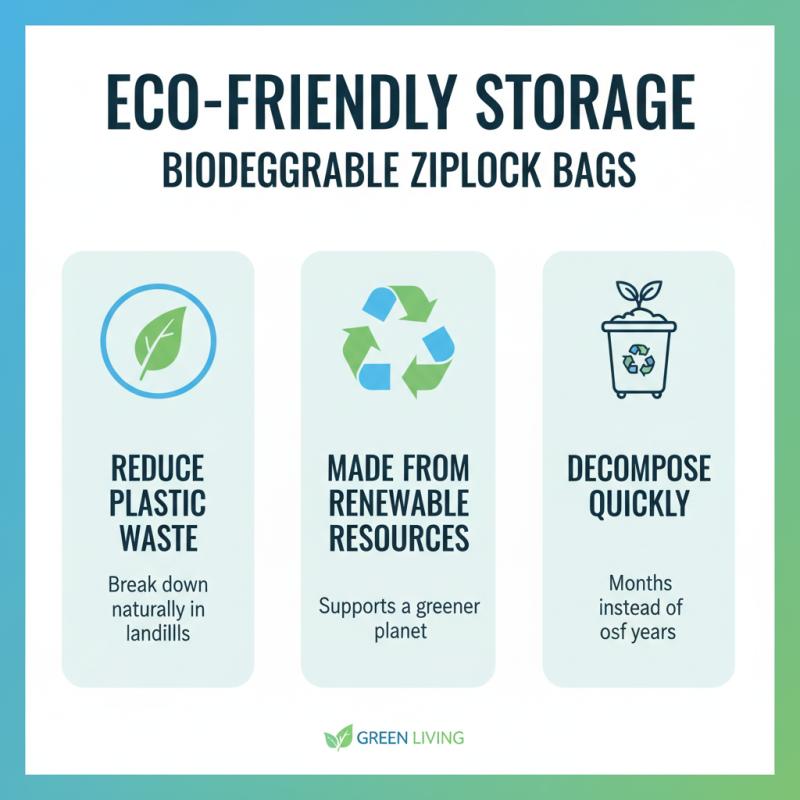
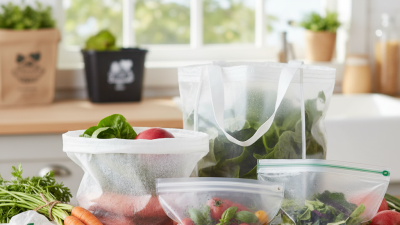
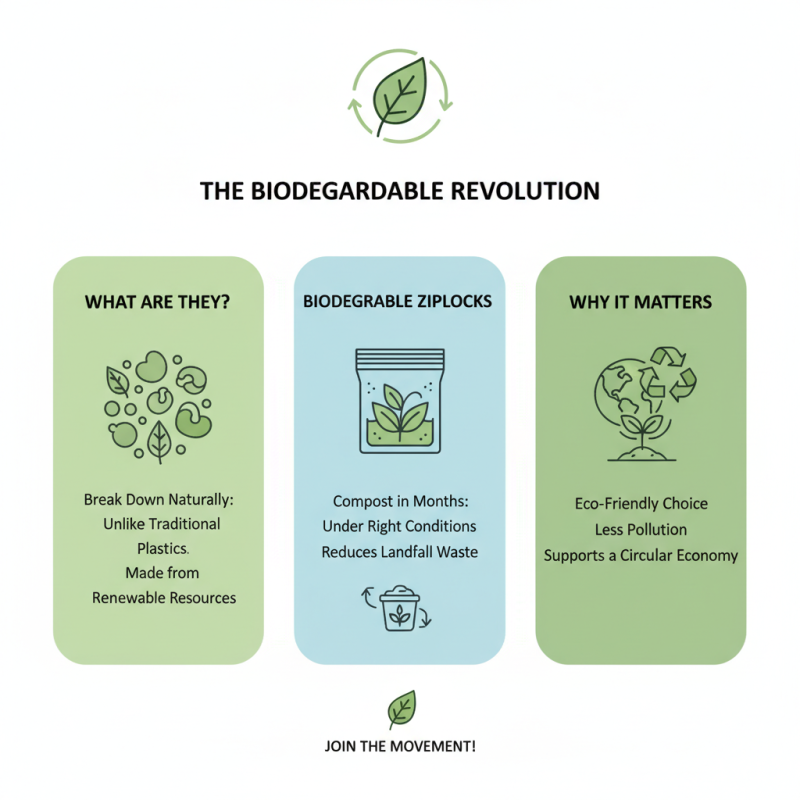
Using biodegradable ziplock bags offers numerous benefits for eco-friendly storage. These bags break down naturally, reducing plastic waste in landfills. Made from renewable resources, they support a greener planet. When disposed of, they decompose within months instead of years.
Tips: Choose bags that are labeled as biodegradable. Check the materials used to ensure they meet environmental standards. This will help you make informed choices for your storage needs.
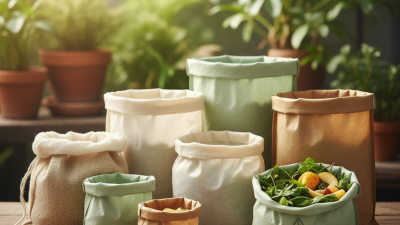
Biodegradable ziplock bags are versatile. They work well for food storage, crafts, or organizing small items. Using them helps you reduce your carbon footprint. If we all make small changes, we can make a big impact.
Consider the limitations of these bags, though. They may not have the same strength as traditional plastic. Care must be taken when sealing or storing heavy items. Reflect on how you can integrate these bags into your daily life more effectively.
Understanding Biodegradable Materials: What Makes Ziplock Bags Eco-Friendly
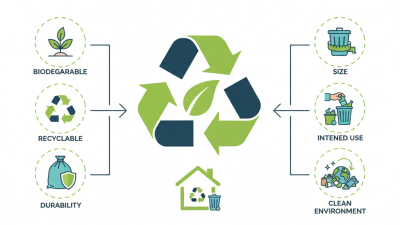
Biodegradable materials are gaining popularity. They are designed to break down naturally over time. This sets them apart from traditional plastics. Biodegradable Ziplock bags are made from renewable resources. They can compost in a few months under the right conditions. This process helps reduce landfill waste.
When using biodegradable bags, it’s important to understand how they work. Many bags are created from starch or plant-based materials. These components are similar to compostable items. However, not all biodegradable products meet environmental standards. Some still require specific conditions to degrade effectively. Consumers need to research and choose wisely.
Eco-friendliness is a crucial aspect of these bags. Still, we must reflect on our habits. Are we using bags excessively? Reducing our dependency on any single-use product is vital. It’s about balance, finding sustainable alternatives, and making conscious choices every day.
Comparative Analysis: Biodegradable vs. Traditional Plastic Ziplock Bags
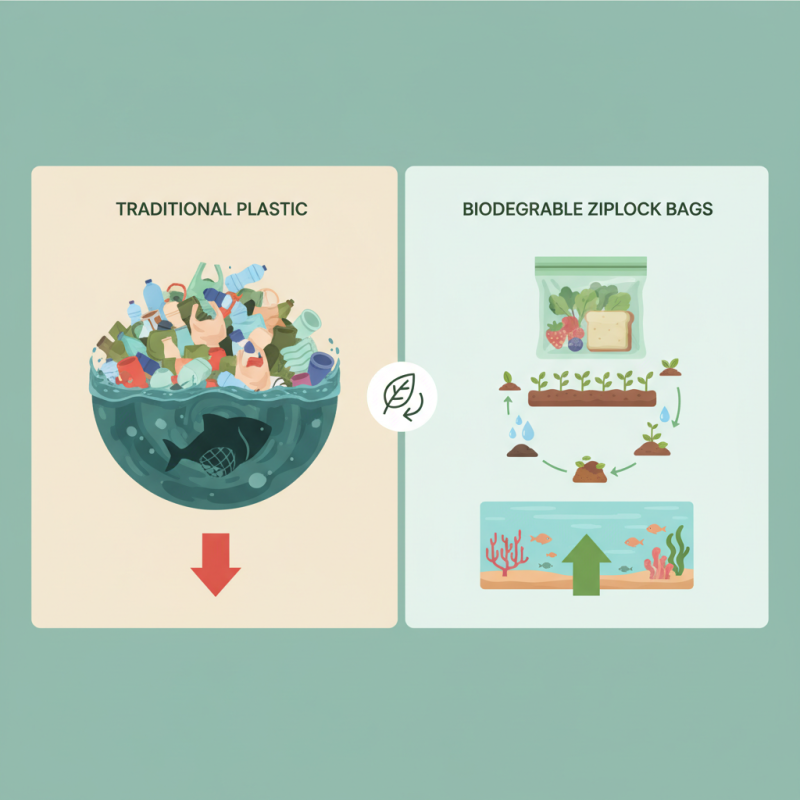
The growing concern for the environment has sparked interest in biodegradable ziplock bags. Unlike traditional plastic bags, these eco-friendly alternatives break down naturally. This feature significantly reduces waste in landfills. Biodegradable options often use materials derived from plants or other organic substances. This difference sets them apart in terms of sustainability.
When comparing biodegradable and traditional plastic ziplock bags, we see more than just materials. Traditional bags might be more readily available, yet they pose long-term environmental hazards. They can take hundreds of years to decompose. In contrast, biodegradable bags typically break down within a few months to a year under the right conditions. However, improper disposal can still lead to challenges.
Despite their benefits, biodegradable bags have limitations. They may not be as strong or waterproof as their plastic counterparts. This can frustrate users who expect durability. Additionally, not every biodegradable bag decomposes effectively in all environments. Understanding these factors is crucial for making informed choices. We must reflect on our habits and consider new practices for a cleaner future.
Comparative Analysis of Benefits: Biodegradable vs. Traditional Plastic Ziplock Bags
This bar chart illustrates the key benefits of using biodegradable ziplock bags compared to traditional plastic ziplock bags. The comparison includes factors such as environmental impact, biodegradability duration, and health safety.
Environmental Impact: Reducing Single-Use Plastic Waste with Biodegradables
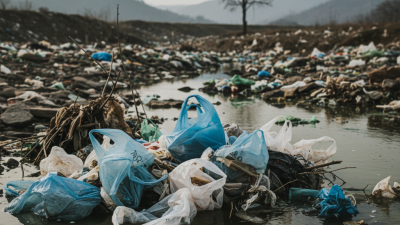
Plastic pollution has become a significant issue globally.
According to a report published by the United Nations, approximately 300 million tons of plastic are produced each year. A staggering 50% of this is disposable plastic, often ending up in landfills and oceans.
Biodegradable ziplock bags offer a viable alternative, helping to address this pressing problem. These bags break down naturally over time, reducing the duration of harmful plastic in our environment.
Using biodegradable ziplock bags can substantially decrease single-use plastic waste. Research indicates that these bags can decompose within three to six months in a commercial composting facility. This contrasts sharply with traditional plastic bags, which can take hundreds of years to break down. Switching to biodegradable options is not just a trend; it's a necessity as we face mounting evidence of plastic's detrimental environmental impact.
However, challenges remain in the widespread adoption of biodegradables. Many consumers are unaware of proper disposal methods. Also, industrial composting facilities are not available in all areas. This confusion can lead to biodegradable bags ending up in general waste systems.
Education and infrastructure change are crucial for maximizing their benefits. We must reflect on how each small change can make a significant impact on our planet.
Cost-Effectiveness: Eco-Friendly Storage Solutions for Conscious Consumers
When considering eco-friendly storage solutions, biodegradable ziplock bags stand out. They offer a practical choice for consumers who care about the environment. Unlike traditional plastic bags, these biodegradable options break down more easily. They decompose under natural conditions, reducing waste in landfills. This eco-conscious decision aligns with growing trends in sustainability.
Cost-effectiveness is key for conscious consumers. Biodegradable ziplock bags can be affordable and often last as long as conventional bags. They provide the same level of convenience without harming the planet. You can use them for food storage or organizing household items. Their versatility makes them a smart choice for those mindful of their impact.
Yet, there are still challenges. Some products may not decompose as promised. Awareness of proper disposal methods is essential. Education on these aspects is vital for maximizing benefits. Consumers must be aware of any misconceptions surrounding biodegradable products. Investing in these bags requires mindfulness but can lead to a positive change.
Top Benefits of Using Biodegradable Ziplock Bags for Eco-Friendly Storage
| Benefit |
Description |
Cost-Effectiveness |
| Eco-Friendly Material |
Made from renewable resources that break down naturally. |
Potential savings on waste disposal costs. |
| Reduced Environmental Impact |
Minimizes landfill waste compared to traditional plastic bags. |
Long-term cost benefits by promoting sustainability. |
| Durability |
Strong and reliable for storing various foods and items. |
Reduces the need for multiple bags, saving money. |
| Versatile Use |
Can be used for food storage, organizing, and travel. |
Value for diverse applications leads to fewer purchases. |
| Awareness and Responsibility |
Encourages mindful consumption and awareness of waste. |
Can enhance brand loyalty and customer retention. |
Conclusion
Biodegradable Ziplock Bags are gaining popularity as an eco-friendly storage solution, offering significant advantages over traditional plastic options. These bags are made from biodegradable materials that break down naturally, reducing the long-lasting environmental impact associated with single-use plastics. By switching to Biodegradable Ziplock Bags, consumers can contribute to a decrease in plastic waste, promoting a healthier planet.
Additionally, these bags are not only environmentally responsible but also cost-effective, making them an attractive choice for conscious consumers. Their versatility allows for various applications in everyday life and industries, from food storage to organizing household items. The shift towards using Biodegradable Ziplock Bags represents a step towards sustainable practices, emphasizing the importance of eco-friendly choices in our daily lives.