10 Best Disposable Aprons for Kitchen and Catering Use
In the bustling world of kitchens and catering, maintaining cleanliness is crucial. Disposable aprons have become essential tools for chefs and staff alike. These aprons provide a convenient barrier against spills, stains, and food splatters. Their lightweight design ensures comfort during long shifts.
Choosing the right disposable aprons can be challenging. Not all are created equal. Some may not offer adequate protection or comfort. The best aprons are durable and easy to wear, allowing unhindered movement. The proper fit matters, too. An ill-fitting apron can hinder performance and create distractions.
This guide presents ten top choices for disposable aprons, tailored for kitchen and catering use. Each option balances functionality and practicality. Whether you run a small food stall or a large restaurant, there's a suitable pick for every need. Explore these selections to keep your kitchen clean and efficient.
Overview of Disposable Aprons for Kitchen and Catering
Disposable aprons are essential in the kitchen and catering environments. They provide a protective barrier against spills, stains, and contaminations. According to recent industry reports, 72% of professionals prefer disposable aprons for their convenience. They eliminate the hassle of laundering, allowing staff to focus on food preparation and service.
The materials used for these aprons are diverse. Common options include polyethylene and polypropylene. They offer water resistance, making them ideal for high-stain areas. However, there are concerns about their environmental impact. Many disposable aprons contribute to waste in landfills. Research indicates that the food service industry generates 4 to 10 million tons of waste annually. This number emphasizes the need for sustainability in product choice.
It is crucial to consider the right fit and design for functionality. Many disposable aprons lack adjustable features, which can limit comfort and effectiveness. A poorly fitting apron may not provide adequate protection. This aspect often goes overlooked in the rush of a busy kitchen. Proper training on apron use can enhance safety and hygiene, reducing contamination risks.
Key Features to Consider When Choosing Disposable Aprons
When choosing disposable aprons, several key features should be kept in mind. The material is crucial. Look for options made from waterproof or oil-resistant materials. This helps prevent spills from soaking through. A thicker material often offers better protection, ensuring you stay clean during intense kitchen tasks.
Size is another important consideration. Aprons come in various sizes, so ensure it provides full coverage. A longer apron can offer better protection for your clothes. Adjustable ties help fit different body types, making it easier for everyone to use.
**Tip:** Consider an apron with pockets. They are handy for holding utensils or recipe cards. This feature can save time and keep your workspace organized.
Lastly, think about the eco-friendliness of the aprons you choose. Biodegradable options are becoming more popular. They help reduce landfill waste, which is an important consideration for any kitchen or catering event. Noticing these details helps create a more sustainable kitchen environment.
Best Disposable Aprons for Kitchen and Catering Use
This bar chart showcases the key features to consider when choosing disposable aprons, based on their popularity and user ratings.
Top 10 Disposable Aprons: Performance and Cost Comparison
When evaluating disposable aprons for kitchen and catering tasks, performance often outweighs cost. According to industry reports, the average cost of disposable aprons ranges from $0.10 to $0.50 per unit. Higher-quality options typically feature thicker materials that resist tearing and provide better protection against spills. Conversely, cheaper models may save money upfront but often fall short during high-traffic events.
Performance is crucial in busy kitchens. Aprons made from polyethylene or polypropylene offer reliable waterproofing. Data from food service suppliers indicates that aprons designed for food preparation can reduce contamination risks by up to 80%. This statistic highlights the importance of choosing the right material. Lightweight options are easier to wear, but they might lack durability and protection. Balancing comfort and safety is challenging.
In catering scenarios, the choice of apron can impact efficiency. Workers often prefer aprons that allow freedom of movement while still offering solid coverage. Some studies show that kitchen staff can lose focus due to uncomfortable attire. Therefore, assessing both the performance and cost proves vital when selecting disposable aprons for culinary settings.
10 Best Disposable Aprons for Kitchen and Catering Use - Top 10 Disposable Aprons: Performance and Cost Comparison
| Apron Type |
Material |
Size (inches) |
Waterproof |
Price (USD) |
| Lightweight Disposable |
Polyethylene |
28 x 40 |
Yes |
10.99 |
| Thickened Disposable |
Polypropylene |
30 x 45 |
Yes |
14.50 |
| Heavy Duty Apron |
PVC |
36 x 48 |
Yes |
16.75 |
| General Purpose |
Nylon |
28 x 36 |
No |
8.25 |
| Chef's Apron |
Cotton Blend |
30 x 40 |
No |
12.00 |
| Kids Apron |
Polyester |
24 x 36 |
Yes |
7.50 |
| Event Disposable |
Polyethylene |
32 x 38 |
Yes |
9.99 |
| Fashionable Disposable |
Non-woven Fabric |
28 x 40 |
No |
11.50 |
| Eco-friendly Option |
Biodegradable Poly |
30 x 40 |
Yes |
15.00 |
Environmental Impact of Disposable vs. Reusable Aprons
Disposable aprons have gained popularity in kitchens and catering services due to their convenience. They are lightweight and easy to dispose of, making post-event cleanups faster. However, one must consider the environmental impact of using these aprons compared to reusable ones. Single-use items contribute significantly to waste and pollution.
Many disposable aprons are made from plastic or non-biodegradable materials. These materials can take decades to decompose, harming ecosystems. In contrast, reusable aprons can be washed and used multiple times. While they may require water and energy for cleaning, their overall footprint tends to be smaller in the long run.
Choosing between disposable and reusable aprons can be challenging. Consider the scale of your operations and the frequency of use. Sometimes, disposable options seem more efficient, but this convenience comes at a cost. Reflecting on your choices can lead to more sustainable practices, whether in a busy kitchen or at a catered event.
Care Tips and Best Practices for Using Disposable Aprons
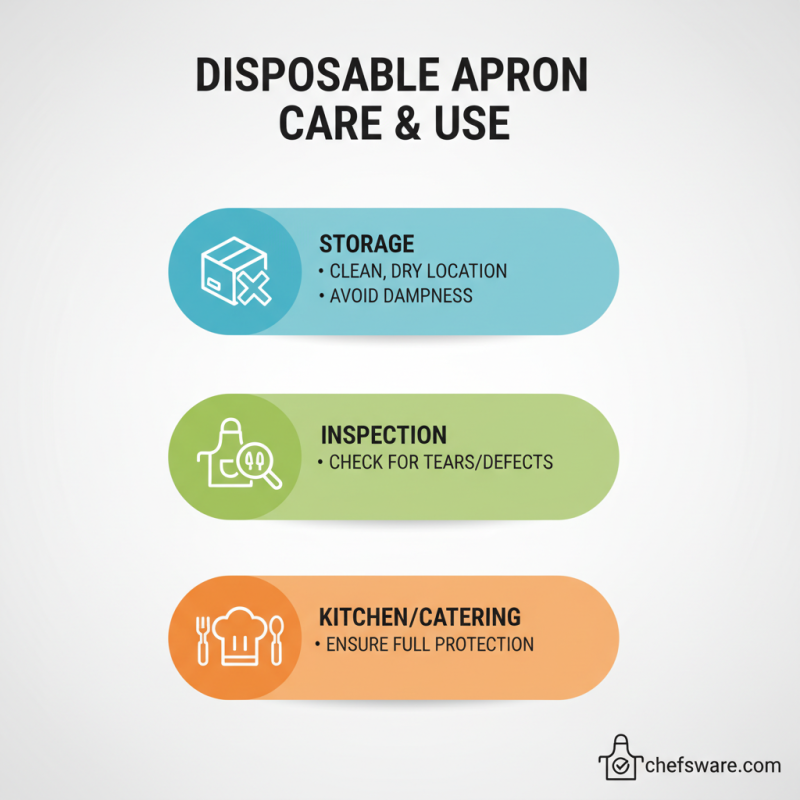
When using disposable aprons in kitchen and catering settings, proper care can enhance their effectiveness. Always store them in a clean, dry location. Avoid stacking them in damp areas, as moisture can weaken the material. When unpacking, inspect each apron for tears or defects. A damaged apron won’t provide the protection you need.
Wearing disposable aprons correctly is essential. Ensure they fit comfortably and cover your clothing adequately. Adjust the tie strings for a secure fit. Remember, once an apron is dirty or stained, it's best to discard it immediately. Using a worn-out apron can lead to cross-contamination in food preparation.
Cleaning hands regularly while wearing an apron is crucial. This simple habit helps prevent the spread of bacteria. If an apron becomes heavily soiled or spills occur, change it without hesitation. It’s an easy way to maintain hygiene standards. Taking these small steps may seem minor but can significantly impact your kitchen’s cleanliness and efficiency.