Best Disposable Bags for Global Buyers in 2026?
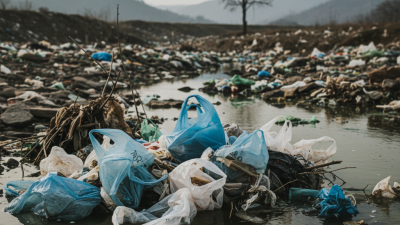
In recent years, the demand for Disposable Bags has surged globally. Consumers seek alternatives to single-use plastics. This shift reflects a growing awareness of environmental issues and sustainability.
Every year, companies innovate to produce better disposable options. From compostable materials to biodegradable designs, the market expands. However, not all products meet the necessary standards. Some bags may be labeled eco-friendly but lack true sustainability.
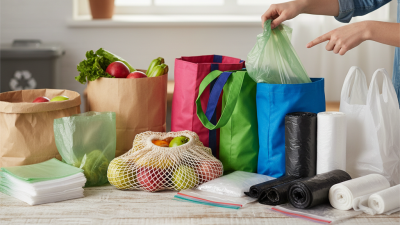
Buyers must navigate this complexity. Understanding the types of Disposable Bags helps make informed choices. Whether for shopping, food storage, or waste disposal, options abound. Yet, reflection on the environmental impact is vital. Making educated decisions can promote a greener future.
Best Disposable Bags for Global Buyers in 2026: Market Overview
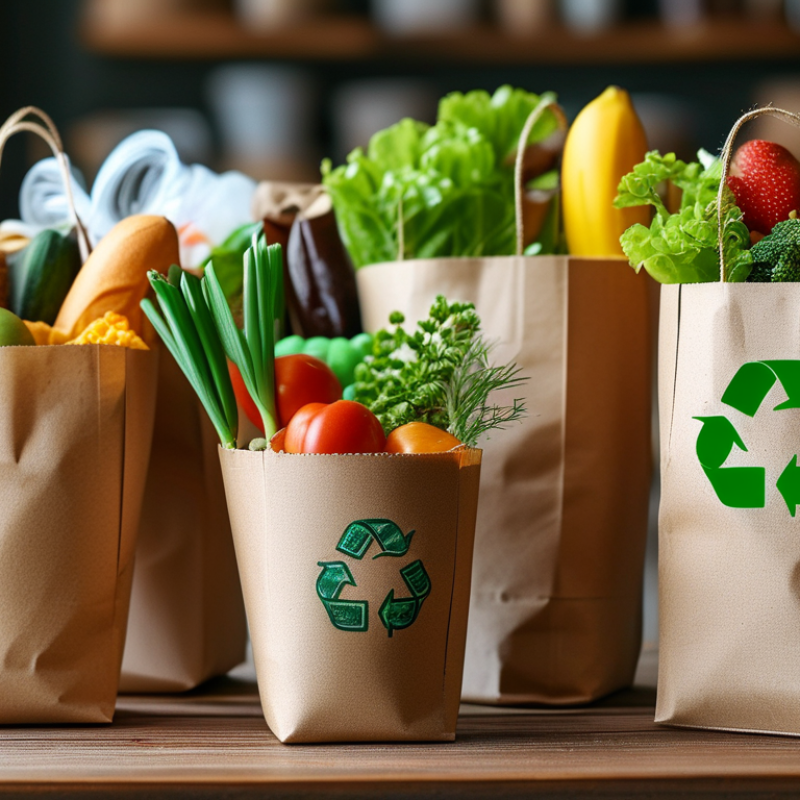
The market for disposable bags is evolving. In 2026, global buyers will see increased demand for eco-friendly options. More consumers are prioritizing sustainability. This shift influences materials used, such as biodegradable plastics and recycled fibers. These eco-conscious choices reflect a growing awareness of environmental impact.
Tip: Always check for certifications that validate eco-friendly claims. Sustainable choices vary widely in effectiveness and durability. Look for third-party standards to guide your choices.
Emerging markets are also changing the landscape. Regions with stricter regulations might focus on compostable or reusable designs. These markets may require education on product usage. Consumers may need guidance on disposal methods to maximize environmental benefits.
Tip: Engage with local experts or community programs. They often have insights into the best practices for waste management in your area. Understanding local policies helps avoid pitfalls and ensures compliance.
Key Trends Driving the Disposable Bag Industry Growth in 2026
The disposable bag industry is on the cusp of significant growth in 2026. This expansion is driven by key trends that reflect changing consumer preferences and environmental concerns. One notable trend is the rising demand for biodegradable materials. Consumers increasingly prefer bags that break down naturally, reducing their environmental footprint.
Another driving factor is global legislation aimed at reducing plastic waste. Many countries are enacting stricter regulations on single-use plastics. Businesses must adapt to these changes or face penalties. This shift creates an opportunity for companies that produce compliant, eco-friendly bags. However, the transition can be challenging, as manufacturers explore new materials and production methods.
Additionally, consumer awareness is at an all-time high. People are more informed about sustainability issues. They often seek brands that align with their values. This pressure for transparency can lead to growth for businesses dedicated to ethical practices. Yet, there remain gaps in consumer knowledge about the environmental impact of various bag materials. Striking the right balance between quality, cost, and sustainability is a complex challenge for producers.
Best Disposable Bags for Global Buyers in 2026
| Category |
Market Share (%) |
Growth Rate (CAGR %) |
Key Trend |
| Plastic Bags |
40 |
3.5 |
Increased Regulation |
| Biodegradable Bags |
30 |
8.0 |
Sustainability Focus |
| Paper Bags |
20 |
4.2 |
Eco-Friendly Alternatives |
| Reusable Bags |
10 |
5.5 |
Consumer Preference Shift |
Sustainability Practices in Disposable Bag Production for 2026
As we look ahead to 2026, sustainability in disposable bag production is becoming increasingly crucial. Companies are exploring eco-friendly materials.
Biodegradable plastics, recycled fibers, and organic cotton are now in focus.
These alternatives reduce environmental impact. Yet, challenges remain in sourcing and affordability.
Many manufacturers are striving for greener practices. However, the journey is not without obstacles. Access to sustainable materials can be limited.
Production costs may increase, affecting final prices. The balance between sustainability and cost is delicate.
Some bags claim sustainability but lack transparency. Consumers must question the labels they see.
Education is vital in driving change. Awareness about the environmental impact of disposable bags helps consumers make informed choices.
Collaboration between manufacturers and environmentalists can foster innovation.
Exploring local sourcing can minimize transportation emissions. Each step, even small, can lead to a more sustainable future.
Top Manufacturers and Their Innovations in Disposable Bags
In the fast-evolving world of disposable bags, manufacturers continuously innovate. Sustainable materials have become a priority. Many companies focus on biodegradable options. These alternatives break down more quickly in landfills.
Recent developments include compostable bags made from plant-based materials. Some manufacturers use recycled plastics to create sturdy, lightweight bags. This reduces waste and encourages recycling practices. These innovations aim to create a cleaner environment.
**Tip:** Always check for certifications on biodegradable bags. Look for credible sources to ensure the product's environmental claims are valid.
User preferences are changing, too. Shoppers now prioritize eco-friendly choices. Designers are also creating stylish and functional disposable bags. However, some innovations still face criticism. Not all biodegradable bags disintegrate as advertised.
**Tip:** Consider bag thickness when purchasing. Thicker bags often hold more weight and resist tearing better.
Best Disposable Bags for Global Buyers in 2026
Consumer Preferences and Market Demand for Disposable Bags in 2026
As we look toward 2026, consumer preferences for
disposable bags are evolving rapidly. Many buyers increasingly prioritize
sustainable options. They seek bags that are
biodegradable or made from recycled materials. This shift reflects a growing awareness of environmental
issues. However, not all consumers are on board with this change. Some still prefer traditional plastic
for its durability and cost-effectiveness.
Market demand is influenced by various factors. For instance,
urbanization leads to higher consumption of
disposable bags. In cities, convenience trumps
sustainability for many shoppers. Yet, there is a noticeable trend among younger consumers. They are
willing to pay more for eco-friendly products. Their choices often drive market trends as they value
brand ethics.
This landscape presents challenges. Manufacturers must innovate to meet diverse consumer needs. While
some are investing in new materials, others struggle to adapt. As preferences change, companies face
looming questions: How to balance cost and sustainability?
How to educate consumers on the benefits of greener options?
Addressing these issues will be crucial for staying relevant.