What is the Best Material for Plastic Bags?
In the quest for sustainable solutions, the question looms: What is the best material for plastic bags? According to renowned expert Dr. Emily Carter, a leader in environmental materials science, “The choice of material can significantly impact sustainability and functionality.” Plastic bags are ubiquitous, yet their environmental impact raises concerns.
Traditional plastic bags made from polyethylene are lightweight and durable. However, they pose significant waste challenges. Alternatives like biodegradable plastics and compostable materials present potential benefits but come with their own limitations. Dr. Carter emphasizes, “We need to weigh convenience against environmental consequences.”
While innovative materials are emerging, they still face scrutiny regarding their actual biodegradability. Many consumers remain unaware of the complexities involved in plastic bags' life cycle. The shift towards more eco-friendly options requires careful consideration and education. Addressing these issues is vital for meaningful change.

Overview of Plastic Bag Materials
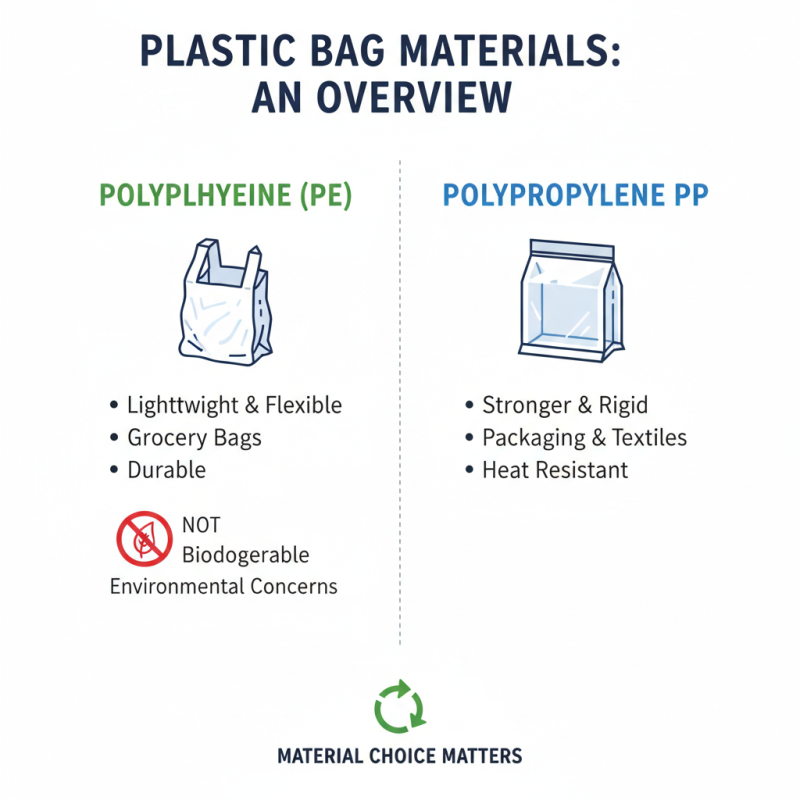
When considering plastic bags, material choice plays a crucial role. The most common materials are polyethylene and polypropylene. Polyethylene is lightweight and flexible. It is widely used for grocery bags due to its durability. However, it is not biodegradable, raising environmental concerns.
Polypropylene bags offer a sturdier option. They are often used for reusable shopping bags. This material can withstand more weight. Yet, their production may still contribute to environmental issues. Both materials have their pros and cons, and the choice often depends on specific needs.
Some experts advocate for biodegradable options. These alternatives break down faster in landfills. Yet, they may not perform as well as traditional materials. Rethinking plastic bag usage is essential. This encourages responsible choices that balance convenience and environmental impact.
Common Types of Plastic Used for Bags
When choosing plastic bags, understanding the materials used can help make informed decisions. Common types of plastic for bags include low-density polyethylene (LDPE), high-density polyethylene (HDPE), and polypropylene. Each type has unique properties that cater to different needs. LDPE is flexible and durable, making it great for grocery bags. HDPE is stronger and resistant to punctures, ideal for heavy items. Polypropylene offers a different texture and is often used for reusable bags.
Tips for selecting plastic bags: consider your purpose. For lightweight items, LDPE is sufficient. For heavier loads, HDPE is a better choice. If you want a reusable option, look for polypropylene, which is more environmentally friendly.
Keep in mind that not all plastics are created equal. Some may biodegrade slower than others. It’s essential to reflect on the environmental impact. Reusable and recyclable options can reduce waste. When possible, opt for bags that suit your needs without harming the environment.
Environmental Impact of Different Plastic Materials
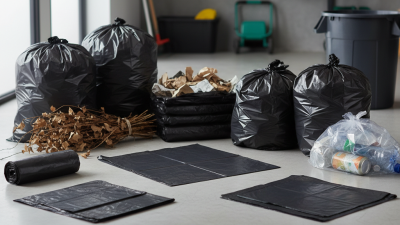
When considering the environmental impact of plastic bags, various materials play a crucial role. Traditional polyethylene bags are widely used. However, they take hundreds of years to decompose in landfills. This lack of biodegradability poses serious environmental threats. Wildlife ingestion is a significant concern. Animals often mistake plastic for food. This leads to severe health issues or even death.
Biodegradable plastics offer an alternative. Made from natural materials, they break down more quickly. However, they don't dissolve entirely in all conditions. Many still need specific environments to degrade. This can create confusion regarding their disposal. Compostable bags are another option. They require proper composting facilities to break down fully. Misplaced bags can end up in standard landfills, negating their benefits.
Recyclability is another crucial factor. Many plastic bags are not accepted in curbside recycling programs. People often struggle to find proper recycling options. This reduces the effectiveness of recycling initiatives. Awareness about proper disposal methods is essential. Efforts to innovate environmentally friendly materials continue. Still, addressing existing waste management challenges remains vital.
Factors to Consider When Choosing Plastic Bag Materials
When selecting materials for plastic bags, several factors play a vital role. The choice impacts sustainability, usability, and overall effectiveness. Common materials include high-density polyethylene (HDPE), low-density polyethylene (LDPE), and biodegradable options. Each has unique properties that influence their suitability for specific purposes.
Consider the bag's intended use. Will it carry heavy items or lighter goods? HDPE is strong and durable, making it suitable for heavier loads. In contrast, LDPE is more flexible and ideal for lighter applications. It's crucial to match the bag material with its purpose to avoid performance issues.
Here are a few tips to guide your choice:
- Assess the environmental impact of your material. Biodegradable options are preferable for eco-conscious choices.
- Look for certifications that guarantee material safety and compliance.
- Think about consumer preference. Many shoppers favor reusable or recyclable materials.
Balancing strength and eco-friendliness can be challenging. It’s important to continuously evaluate the environmental implications of plastic materials. Reflection on your choices helps improve sustainability efforts over time.
Innovative Alternatives to Traditional Plastic Bag Materials
Innovative alternatives to traditional plastic bag materials are gaining attention. Many consumers seek options that reduce environmental harm.
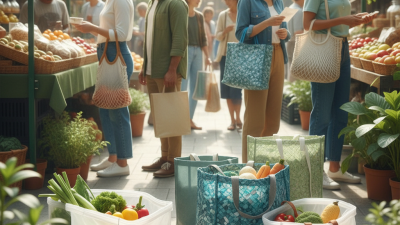
Natural fibers, like cotton and jute, serve as viable substitutes. These materials biodegrade much faster than synthetic plastic. They also offer durability, making them suitable for repeated use.
Another exciting development is the use of biodegradable polymers. These are derived from renewable resources, such as cornstarch and sugarcane. They break down in composting environments. However, their production can still have environmental implications. Buyers should consider the entire lifecycle.
Recycled paper is emerging as a practical choice. It is sturdy and can hold weight. Yet, paper bags often lack water resistance and can tear easily. This leads consumers to rethink how they use them. As the world evolves, so does the need to reassess our choices in materials. Innovations are promising, but critical reflection remains essential.