2026 Best PE Plastic Wrap for Kitchen Use and Food Preservation?
In the culinary world, the importance of food preservation cannot be overstated. One of the most effective tools for this purpose is PE Plastic Wrap. It serves as essential protection for various food items, helping to retain freshness and flavor. This transparent wrap is popular in kitchens for good reason.
PE Plastic Wrap is made from polyethylene, a reliable material designed to create an airtight seal. Many people appreciate its ease of use and versatility for both cooking and storing. However, choosing the best PE Plastic Wrap can be challenging due to numerous options on the market. Factors such as thickness, stretchability, and BPA-free qualities significantly impact its effectiveness.
Consumers often reflect on their experiences with different brands. Some wraps may not cling as effectively or tear easily, leading to frustration. It’s important to consider these aspects when selecting the right product for kitchen use. With the right PE Plastic Wrap, your food can stay fresher for longer, proving its worth in every household.
Overview of PE Plastic Wrap and Its Benefits for Food Preservation
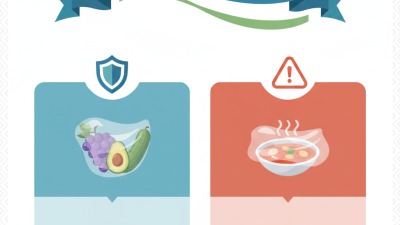
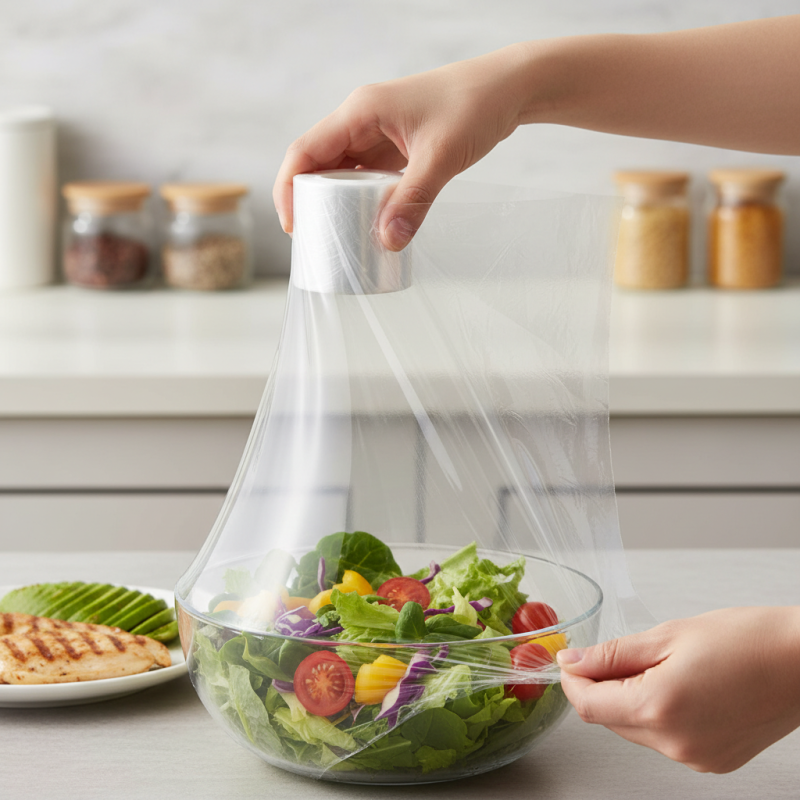
PE plastic wrap is a staple in many kitchens. It serves as a barrier against air and moisture, helping to keep food fresh. This type of wrap is made from polyethylene, known for its durability and flexibility. When properly used, it can significantly extend the shelf life of fruits, vegetables, and leftovers.
One of the key benefits of PE plastic wrap is its ability to cling tightly to various surfaces. This ensures that food is securely covered, minimizing spoilage. However, improper wrapping can lead to gaps. Food may not stay fresh as long as expected. The clinginess can sometimes be frustrating, too. It can stick to itself, making it challenging to handle.
PE plastic wrap is also microwave-safe, which adds convenience. You can cover food while heating it without worry. However, it’s crucial to check for any instructions on safe usage. Understanding its limitations is essential for effective food preservation. Not all wraps are created equal, and testing different brands can yield varying results. Embracing these imperfections can help refine how we use plastic wrap in the kitchen.
Key Features to Look for in the Best PE Plastic Wrap
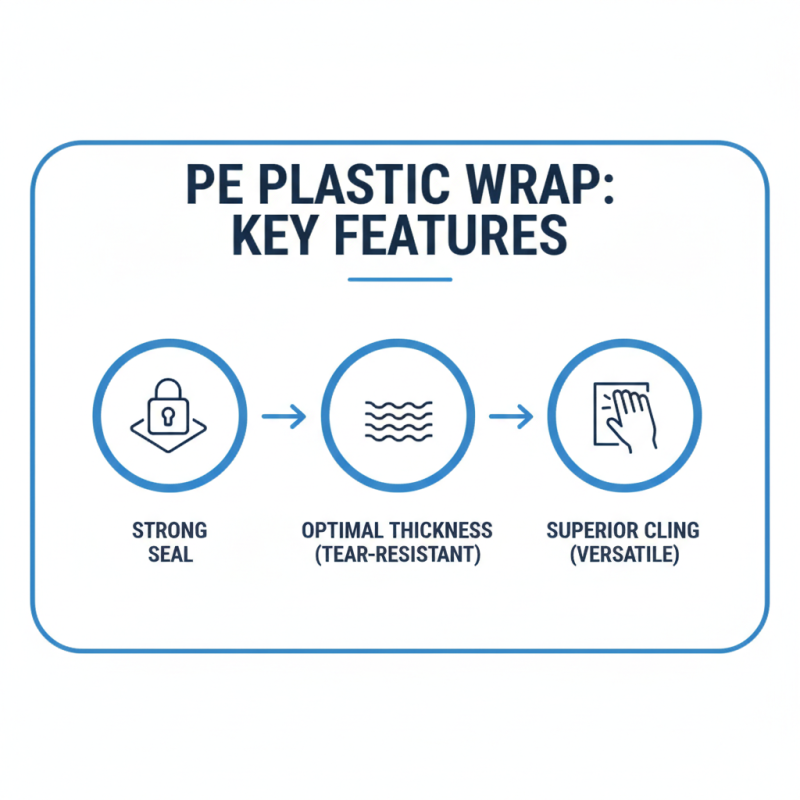
When selecting the best PE plastic wrap for kitchen use, important features are essential. First, ensure the wrap provides a strong seal. A good seal keeps food fresh and prevents moisture loss. Look for thickness as well; thicker wraps often resist tearing better. Consider a film that clings well to different surfaces for maximum versatility.
Next, evaluate safety standards. The best wraps are made from food-safe materials. They should not contain harmful chemicals that may leach into food. It’s beneficial to choose a product with clear usage instructions. This helps prevent misuse, which could lead to food spoilage or contamination. While many wraps claim to be durable, not all live up to expectations.
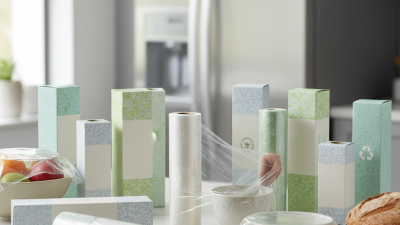
Finally, think about usability. Some wraps come with built-in cutters or dispensers. These features can simplify the process of wrapping food. However, be cautious; complex designs may not always function well. Users sometimes find these wraps difficult to handle. Make sure to read reviews for practical insights into their performance. The right choice ensures food stays fresh and safe for longer.
Proper Techniques for Using PE Plastic Wrap Effectively
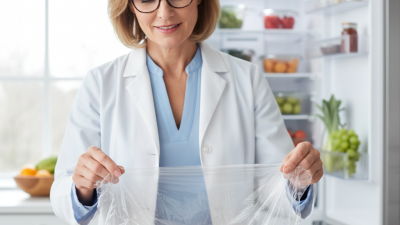
Using PE plastic wrap effectively can make a significant difference in food preservation. According to a report by the Food and Drug Administration (FDA), improper use of plastic wrap can lead to contamination and food spoilage. First, it’s essential to ensure that the surface you're wrapping is clean and dry. Any residue could compromise the seal and allow air to spoil your food. A good practice is to press the wrap against the surface firmly, minimizing air pockets.
Another crucial aspect is the storage temperature. The United States Department of Agriculture (USDA) emphasizes that food should be stored at appropriate temperatures. When wrapping proteins or fresh produce, ensure they are properly chilled. Avoid covering hot food directly, as it can create steam and moisture that contribute to spoilage. Moreover, never reuse plastic wrap, as this increases the risk of cross-contamination.
Lastly, keep in mind that not all plastic wraps are created equal. A professional study found that certain types of PE plastic wraps offer better barrier properties against moisture and air. Using quality products is important, but awareness and proper techniques are even more critical. Many consumers overlook these factors, leading to wasted food and resources. Being mindful of how you use plastic wrap can enhance the longevity of your kitchen staples.
Environmental Impact and Recycling Options for Plastic Wrap
Plastic wrap is a common kitchen staple, prized for its convenience in food storage. However, its environmental impact raises concerns. Traditional plastic wraps are often made from polyethylene, a petroleum-based product. This contributes to the global plastic pollution crisis. Once discarded, plastic wraps may take hundreds of years to decompose.
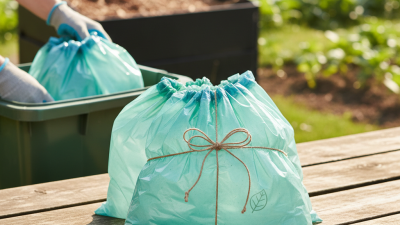
Recycling options for plastic wrap exist but are limited. Many curbside recycling programs do not accept it due to contamination risks. Instead, some facilities specialize in plastic recycling. However, availability varies. Some consumers try to reuse plastic wraps, but this practice has mixed results. Cleaning can be tedious, and wraps may degrade over time.
A shift toward sustainable alternatives is essential. Biodegradable wraps made from natural materials could help mitigate the plastic problem. These options may not yet match the performance of plastic, leading to buyer hesitation. Balancing convenience and environmental responsibility remains an ongoing challenge for consumers.
Environmental Impact of PE Plastic Wrap