2026 Best Plastic Food Gloves for Safe and Hygienic Food Handling?
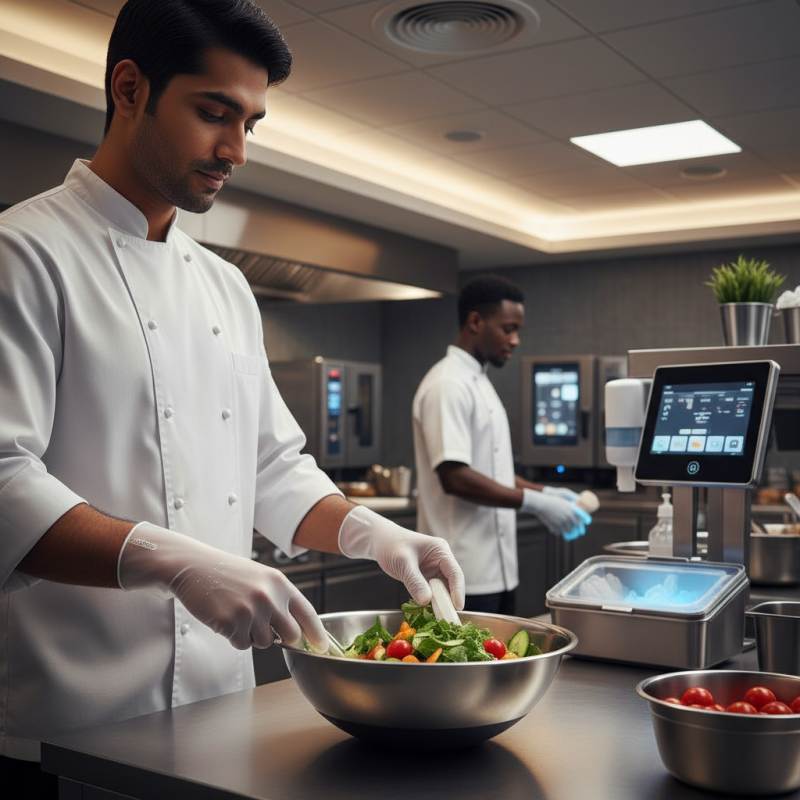
In today's culinary world, hygiene is crucial. Plastic food gloves play a vital role in ensuring safe food handling. They offer a barrier between hands and food, minimizing contamination risks. By using these gloves, kitchen staff maintain a hygienic environment.
Selecting the best plastic food gloves can be overwhelming. Many options flood the market, each claiming superiority. However, not all gloves are created equal. Some may tear easily or offer limited dexterity. Finding the right balance between durability and comfort is essential.
The year 2026 anticipates advancements in materials and design. Innovative plastic food gloves could enhance protection and flexibility. Yet, it is important to reflect on our choices. Are we prioritizing effectiveness over convenience? Proper application and disposal of gloves also matter. Awareness of these aspects can improve food safety practices significantly.
Overview of Plastic Food Gloves and Their Importance in Food Safety
Plastic food gloves play a crucial role in maintaining food safety. They act as a barrier against bacteria and contaminants. According to the Food Safety and Inspection Service (FSIS), improper hand hygiene causes over 50% of foodborne illnesses. Using gloves can significantly reduce this risk.
When handling food, choose gloves made from food-safe materials. They should fit well and allow for dexterity. Many professionals recommend checking the thickness of the material. Thin gloves might tear easily, exposing food to potential hazards.
**Tip:** Change gloves frequently, especially when switching between raw and cooked foods. This simple act can prevent cross-contamination. Many do not realize how easily bacteria can transfer.
However, it’s important to remember that gloves are not a replacement for handwashing. According to a study by the FDA, washing hands correctly reduces contamination risks even more effectively. Relying solely on gloves can lead to complacency in hygiene practices.
**Tip:** Always wash your hands before putting on gloves and after removing them. Keep a handwashing station nearby for convenience. Remember, the goal is to keep food safe and enjoyable for everyone.
2026 Best Plastic Food Gloves for Safe and Hygienic Food Handling
Types of Plastic Food Gloves Available in 2026 and Their Features
In 2026, the market for plastic food gloves offers various types that enhance safety and hygiene in food handling. These gloves come in several materials, including polyethylene, vinyl, and nitrile. Each type has unique features tailored for specific tasks. For instance, polyethylene gloves are lightweight and cost-effective, making them ideal for short-term food preparation tasks. They are often used in fast food environments.
Vinyl gloves provide a better fit and are more durable than polyethylene. They are commonly used in settings that require extended wear. On the other hand, nitrile gloves offer superior puncture resistance. According to industry reports, the demand for nitrile gloves has surged by 30% due to heightened safety standards and awareness of allergic reactions to latex.
Tips: Always ensure your gloves fit properly. Loose gloves can slip off and cause contamination. Regularly change gloves when switching between raw and cooked foods. This practice prevents cross-contamination and enhances food safety. Research suggests that over 50% of food handlers fail to change gloves as needed. Keeping a clean station also minimizes risks. Cleanliness can't be overlooked; it’s critical for safe food handling.
Key Factors to Consider When Choosing Plastic Food Gloves
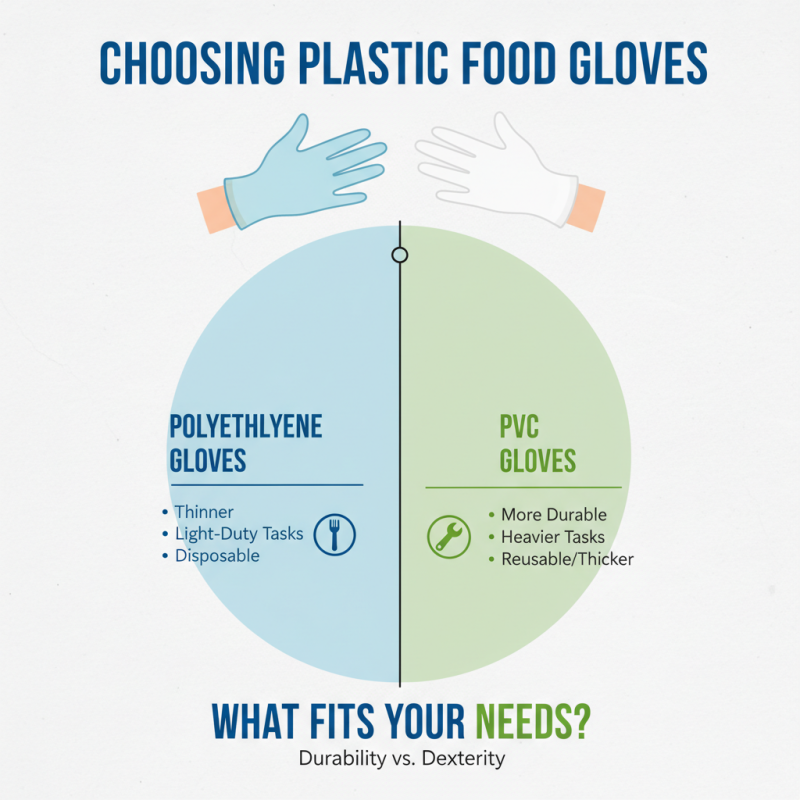
When choosing plastic food gloves, several key factors come into play. First, consider the material. Many gloves are made from polyethylene or PVC. Polyethylene gloves are often thinner, making them ideal for light tasks. PVC gloves offer more durability but can be less breathable. Decide what fits your needs best.
Fit and comfort are crucial too. A well-fitting glove allows for better dexterity. Too tight, and they may tear easily. Too loose, and they could slip off while working. Try various sizes to find what feels right. Comfort makes a difference during long periods of use.
**Tips:** Always check for punctures before using gloves. A small tear can lead to contamination. Store gloves in a cool, dry place to maintain their quality. Remember, not all gloves are suitable for all tasks. It’s important to choose wisely. Consider eco-friendly options if sustainability matters to you. They might cost a bit more, but they are better for the environment.
Comparative Analysis of the Best Plastic Food Gloves for 2026
When it comes to food safety, choosing the right plastic food gloves is essential. In 2026, we see a variety of options available. Some gloves offer excellent grip, while others focus on durability. The materials used can significantly influence comfort and usability. However, not all gloves provide the same level of protection. Some may tear easily, leading to contamination.
It is crucial to evaluate features like thickness and texture. Thicker gloves may protect better but can limit dexterity. On the other hand, thinner options often allow for better flexibility but at the cost of safety. Size also matters; gloves that fit poorly may lead to accidents. They may slip off or become too tight, causing discomfort.
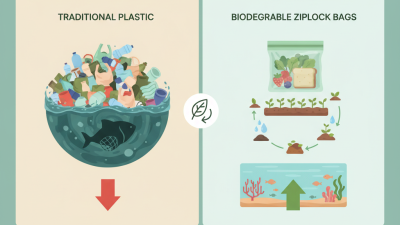
Many users overlook the importance of glove composition. Biodegradable options have become more popular. Yet, their effectiveness in food handling needs more research. Some may perform well but lack the necessary certifications. It’s vital to choose wisely, as careless decisions can lead to serious hygiene issues.
2026 Best Plastic Food Gloves for Safe and Hygienic Food Handling
| Glove Type |
Material |
Size Options |
Thickness (mil) |
Tear Resistance |
Food Safe |
Price per 100 |
| Disposable Plastic Gloves |
Polyethylene |
S, M, L, XL |
1 |
Low |
Yes |
$10 |
| Nitrile Gloves |
Nitrile Rubber |
M, L |
4 |
High |
Yes |
$20 |
| Vinyl Gloves |
Polyvinyl Chloride |
S, M, L |
3 |
Medium |
Yes |
$15 |
| Latex Gloves |
Natural Rubber |
S, M, L |
5 |
Very High |
Yes |
$18 |
Proper Usage and Disposal of Plastic Food Gloves for Hygiene
Plastic food gloves are essential for maintaining hygiene during food handling. Using these gloves correctly is vital to prevent contamination. A study from the Food Safety Authority indicates that improper glove use can lead to increased bacterial transfer. This highlights the importance of proper usage.
When wearing gloves, always ensure they fit well. Ill-fitting gloves can result in tears and spills. Change gloves frequently, especially when switching tasks. For instance, after handling raw meat, change to prevent cross-contamination. When you remove gloves, do so carefully to avoid touching the outside. Dispose of used gloves in designated waste containers to maintain a clean work area.
Tips: Keep hand sanitizer nearby. Clean your hands before and after glove use. Avoid touching your face while wearing gloves. Remember, glove use does not replace the need for hand washing. Reflect on your habits; even the smallest oversight can lead to significant health risks. Regularly reviewing glove protocols can enhance overall safety in food handling areas.