10 Best Plastic Wraps for Food Storage in 2026?
Plastic wrap has become an essential tool in food storage. Many households rely on it to keep their food fresh. According to a 2022 report by the Food Packaging Association, over 77% of consumers use plastic wrap regularly. This indicates a strong demand for effective storage solutions.
In recent years, advancements in plastic wrap technology have enhanced its effectiveness. Brands are now offering wraps that are BPA-free and PVC-free, catering to health-conscious consumers. Studies show that consumers are seeking eco-friendly options in food packaging. This trend has also prompted manufacturers to innovate and deliver better products that address both food safety and environmental concerns.
However, not all plastic wraps are created equal. Some may tear easily or lack proper sealing capabilities. Many consumers report frustration over wraps that do not adhere well to surfaces. As we explore the best plastic wraps for food storage in 2026, it’s crucial to consider both functionality and sustainability. Finding the perfect balance can be challenging.
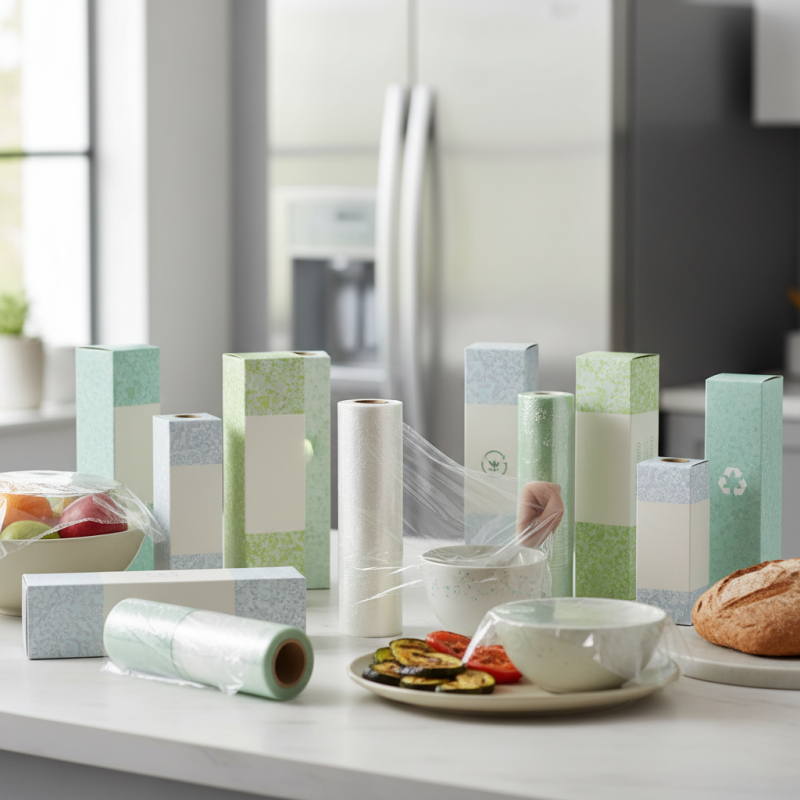
Top Characteristics to Consider When Choosing Plastic Wraps for Food Storage
When selecting plastic wraps for food storage, consider the key characteristics that suit your needs. Thickness matters. Thicker wraps usually provide better durability and protection against spills. However, they might be less flexible. Choose what fits your storage style.
Look for the cling ability. Some wraps stick better than others. A good cling allows for airtight sealing. This keeps food fresher for longer. Yet, not all wraps achieve this balance. Some might tear or lose their grip, which means testing is necessary.
One tip is to check for microwave safety. Some plastic wraps can be dangerous when heated. Always read labels for safety information. Another point to consider is ease of cutting. Few things are more frustrating than a tangled or difficult-to-use roll. A simple cutter can make your experience better.
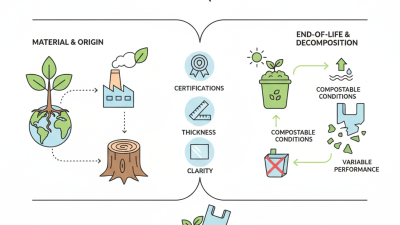
Finally, think about your environmental impact. Some plastic wraps are recyclable or made from biodegradable materials. Choosing eco-friendly options can reduce waste. However, they might not be as effective in sealing. Assess your priorities carefully.
A Review of the Most Popular Plastic Wrap Brands in 2026
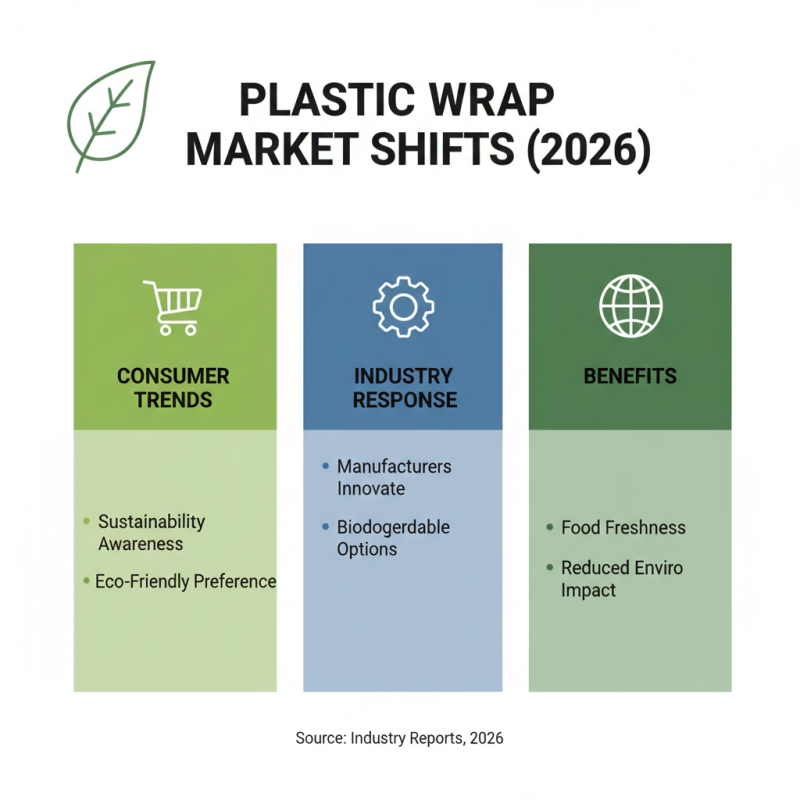
In 2026, the plastic wrap market is witnessing significant shifts. Current industry reports indicate a growing preference for eco-friendly alternatives. Consumers are increasingly aware of sustainability. This trend has prompted manufacturers to innovate and develop biodegradable options. These materials not only ensure food freshness but also reduce environmental impact.
Experts have noted that nearly 35% of consumers actively seek out sustainable packaging solutions. However, many still rely on traditional plastic wraps due to convenience. The ease of use remains a strong factor in purchasing decisions. Yet, some consumers express concern over the safety of these materials. They question the potential for harmful chemicals to leach into their food.
User reviews consistently highlight the struggle with clinginess and durability of various products. Some wraps fail to adhere properly, leading to wasted food. Reports suggest that nearly 40% of shoppers face this issue. This raises questions about quality control. Despite advances, not all options live up to expectations. Feedback indicates a real desire for improvement in performance.
Innovative Features in Modern Plastic Wraps for Enhanced Food Preservation
Modern plastic wraps have evolved significantly. They now incorporate innovative features that enhance food preservation. Many wraps now offer increased thickness, creating a sturdier barrier against air and moisture. This is vital for keeping food fresh longer. Some wraps are even designed with easy-cut edges for convenience.
Consider using reusable silicone wraps. These can cover a range of containers and are eco-friendly. They conform tightly around food items, providing a reliable seal. Another option is wraps infused with antibacterial properties. They can help reduce spoilage. However, be mindful that not all wraps are suitable for microwave use.
Tips: Always check packaging instructions before use. This ensures you are using the wraps correctly. Store wraps away from heat sources. They perform best in cool, dry areas. Keep experimenting to discover which type of wrap works for different foods. You might find that some do not adhere as expected, making it a learning experience.
Top 10 Plastic Wraps for Food Storage in 2026
Environmental Impact of Plastic Wraps and Sustainable Alternatives Available
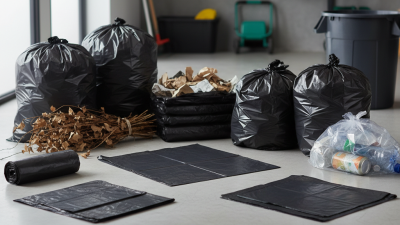
The environmental impact of plastic wraps is significant. In the United States alone, plastic wrap contributes to a massive amount of waste. According to the Environmental Protection Agency (EPA), approximately 30 million tons of plastic waste are generated each year. Many of these products do not easily decompose and can take hundreds of years to break down.
Consumers are increasingly seeking sustainable alternatives. Biodegradable options, made from materials like cornstarch or beeswax, are gaining traction. These wraps can decompose within months, unlike traditional plastic. A report from the Sustainable Packaging Coalition notes that 60% of consumers want brands to offer eco-friendly packaging options.
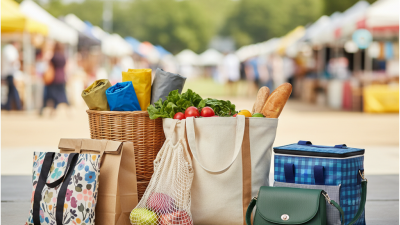
Tips for reducing plastic wrap usage: consider using glass containers or reusable silicone bags. These options not only minimize waste but also preserve food longer. You can also experiment with cloth wraps coated in beeswax for an effective and sustainable storage solution. It's essential to rethink our choices and impact. Are we doing enough to protect our planet? The answer remains uncertain.
10 Best Plastic Wraps for Food Storage in 2026
| Brand |
Material |
Length (ft) |
Thickness (microns) |
Sustainability Rating |
| Plastic Wrap A |
PVC |
200 |
25 |
C |
| Plastic Wrap B |
PE |
250 |
30 |
B+ |
| Plastic Wrap C |
PLA |
300 |
20 |
A |
| Plastic Wrap D |
PAP |
150 |
35 |
B |
| Plastic Wrap E |
Saran |
180 |
28 |
C+ |
Tips for Proper Use and Storage of Plastic Wrap to Maximize Freshness
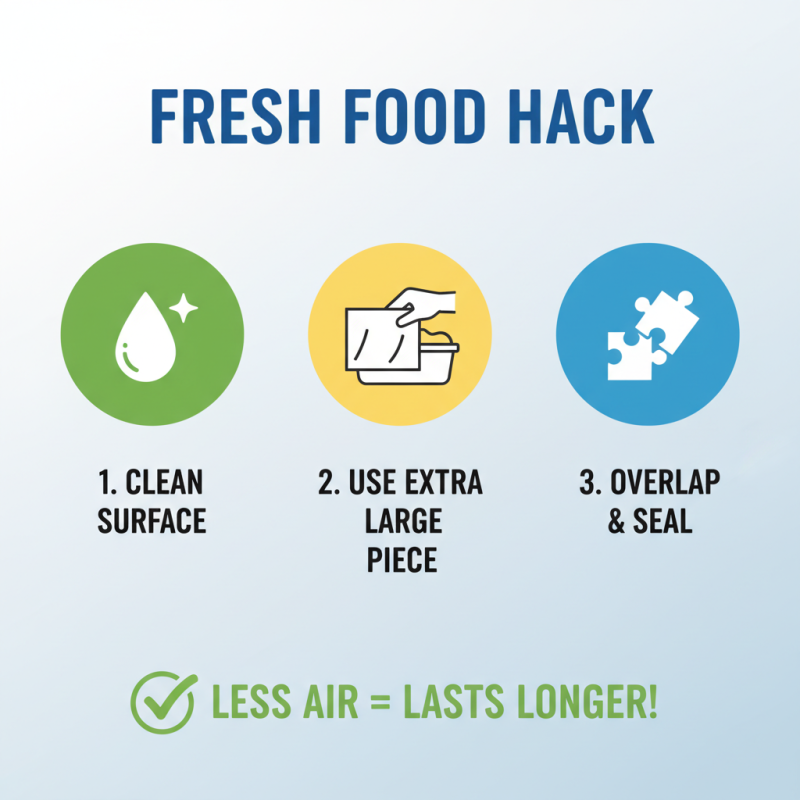
Using plastic wrap properly can enhance food freshness. Ensure the surface is clean before applying. This simple step can make a big difference. Cut a piece slightly larger than the food item. Overlapping the edges creates a seal. This helps prevent air exposure.
When storing, keep the wrap in a cool, dry place. Excess heat can make it less effective. Be aware of the expiration date; old wraps may not stick well. Consider using different wraps for various items. For example, a tight seal on fruits may trap moisture, leading to spoilage. A loose wrap can allow some airflow, prolonging freshness.
Reflections on usage are important. Not all wraps are created equal. Some may tear easily or stick better than others. It's worth experimenting to find what works. Take note of how long items stay fresh. Learning from successes and failures helps in choosing the right wrap.