Best Shopping Bags for Every Occasion and How to Choose the Right One
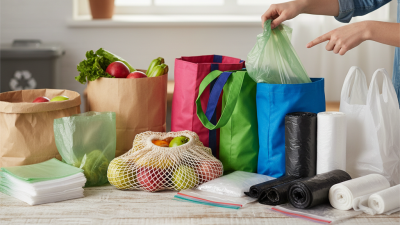
When it comes to shopping bags, choosing the right one can be a challenge. They come in various sizes, materials, and designs, each suited for different occasions. Whether you're heading to the grocery store, going for a picnic, or attending a farmers' market, the right shopping bag can make all the difference.
Consider the purpose of your shopping bags. A reusable tote is often ideal for groceries, while a small, stylish bag might suit a quick trip to a café. Pay attention to the bag’s durability and capacity, as these factors can affect how much you can carry. Sometimes, a beautiful design may catch your eye, but practical needs often take priority.
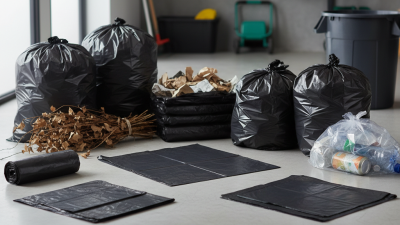
Think about the environment, too. Many people overlook how their choices impact the planet. While convenient, single-use options can contribute to waste. Reflecting on this can lead to better choices for both yourself and the Earth. Finding the perfect shopping bag involves balancing aesthetics with functionality and environmental responsibility. The right bag is always more than just a container; it’s a companion for your shopping journey.
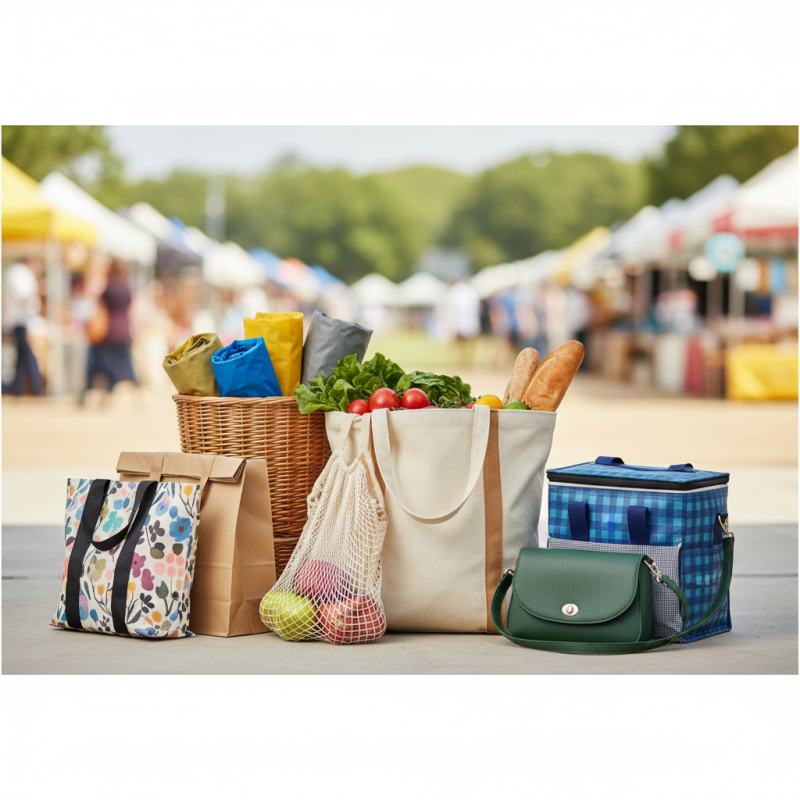
Types of Shopping Bags for Different Occasions
When choosing a shopping bag, consider the occasion and purpose. Different events call for different types of bags. For grocery shopping, reusable totes are eco-friendly and durable. Statistics show that switching to reusable bags can reduce plastic waste by 66%. This shift benefits the environment and your wallet. For quick trips, a compact foldable bag is ideal. It fits easily in your pocket.
Consider bags with insulated compartments for perishables. These can keep food fresh during transport. Choose materials wisely; cotton is breathable, while nylon offers water resistance. Reflect on the purpose of your purchase: Are you looking for sustainability, convenience, or style?
Tips: Always check weight limits. Some bags cannot carry heavy items. This leads to damage, frustration, and waste. Test the bag’s seams and straps for durability. Investing in quality can save you money in the long run.
Factors to Consider When Choosing a Shopping Bag
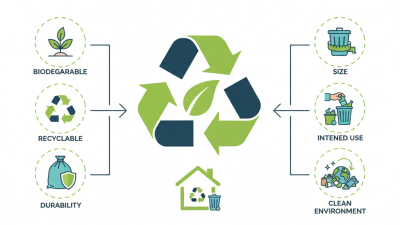
When choosing a shopping bag, several factors come into play.
Consider the size you need.
A large tote may be beneficial for groceries, but it can be cumbersome for everyday errands.
Think about where you'll use it most. A lightweight, foldable bag is perfect for spontaneous purchases.
Material is crucial too.
Canvas bags are durable but heavier. Plastic bags might be convenient but have environmental downsides.
Opting for recycled materials can be a better choice for eco-conscious shoppers.
If you want something special, pay attention to the bag's design. It should reflect your style and be comfortable to carry.
Tips:
Always check the stitching and seams. A poorly made bag won’t last long. Consider how you will clean the bag.
Some materials are washable, while others require special care.
Lastly, examine the handle length. Too short can hurt your shoulder; too long can drag on the ground.
Choose wisely!
Eco-Friendly Options: Sustainable Shopping Bags
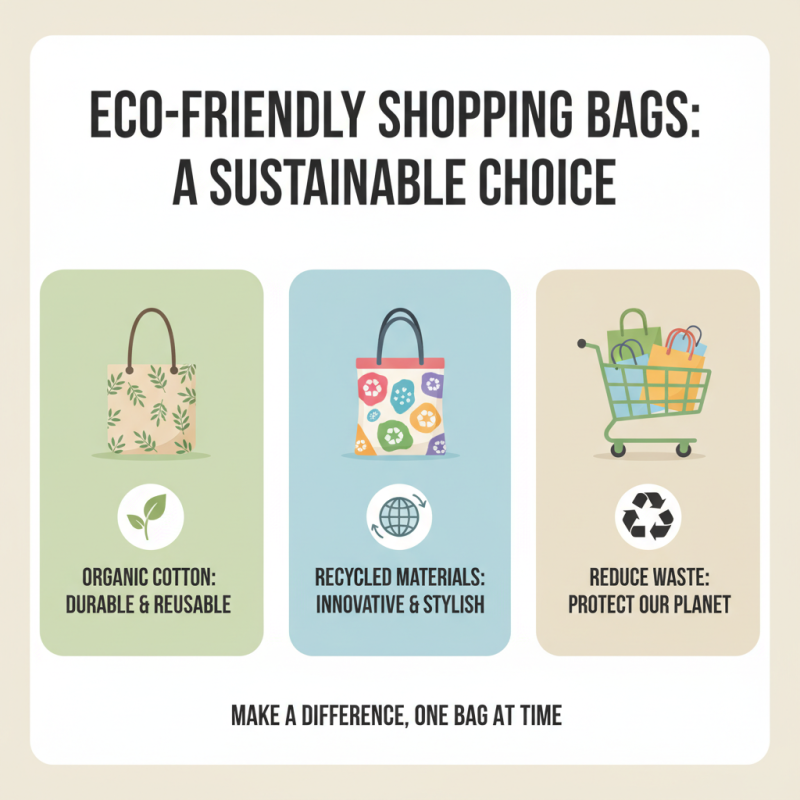
In today's world, eco-friendly shopping bags are essential. They help reduce plastic waste. Many options are available for different needs. Organic cotton bags are popular. They can last for years with proper care. Reusable bags made from recycled materials also make a difference. These bags often feature bright designs, making them visually appealing.
When choosing a sustainable bag, consider its purpose. If you buy groceries, look for durable options. Some bags are insulated, which is useful for keeping food fresh. For smaller purchases, lightweight tote bags might suffice. Reflect on how often you will use the bag. A sturdy bag is worth it, even if it costs more upfront.
Many people overlook the impact of their choices. Buying eco-friendly doesn't just mean switching bags; it's a lifestyle change. It's about reducing waste and making responsible decisions. Think about the materials and manufacturing processes. Even a small change can lead to a bigger impact over time. Choosing the right reusable bag can be a meaningful step toward a sustainable future.
Durability vs. Design: Balancing Practicality and Style
When choosing a shopping bag, consider durability and design. A practical bag can withstand heavy loads. Yet, it should also reflect your style. It’s a balance that requires thought.
Tip: Look for materials that are sturdy but not overly stiff. Cotton and canvas are great options. They can hold weight while being easy to carry. However, be cautious with synthetic fibers; they might not last as long.
Design matters too. A stylish bag can elevate your shopping experience. Choose colors and patterns you love. However, make sure the bag remains functional. A cute bag that rips easily won’t serve you well.
Tip: Test the bag’s strength before buying. Carry a few items to see how it holds up. When in doubt, opt for simplicity. A timeless design can often blend better with various outfits.
Tips for Properly Caring for Your Shopping Bags
Properly caring for your shopping bags can significantly extend their lifespan. A recent study found that regular maintenance can increase the durability of reusable bags by up to 50%. This is vital, as many consumers still don't know how to keep their bags in good shape. Simple steps like cleaning and proper storage make a huge difference.
Cleaning your bags should be routine. Most fabric bags can be machine washed, but some materials require hand washing to avoid damage. For reusable plastic bags, a damp cloth can often work wonders. It’s surprising how many people forget about this crucial step. Ignoring dirt and stains can lead to even bigger problems later.
Storage is also important. Many people simply toss their bags into a drawer or car trunk. This can lead to wear and tear faster than expected. Storing them flat or rolled up can maintain their shape. According to recent reports, 30% of shoppers do not store their bags properly, which may result in needing replacements sooner than necessary. Reflecting on these practices can save money and help the environment.
Best Shopping Bags for Every Occasion