How to Choose the Right Disposable Bags for Your Needs and Reduce Waste
Choosing the right disposable bags is essential in today’s environmentally conscious society. As we strive to reduce waste and promote sustainability, understanding the various types of disposable bags available can significantly impact our daily choices and habits. Whether for shopping, food storage, or waste disposal, selecting the appropriate disposable bags not only meets our practical needs but also aligns with our commitment to a healthier planet.
In this guide, we will explore the different types of disposable bags on the market and their respective benefits and drawbacks. From biodegradable options that break down naturally to reusable alternatives that offer longevity, navigating this landscape can be overwhelming. By gaining insights into material types, intended uses, and environmental implications, we can make informed decisions that minimize our ecological footprint while fulfilling our requirements. Ultimately, the goal is to choose disposable bags that serve our needs effectively, all while contributing to waste reduction and a more sustainable future.

Understanding the Different Types of Disposable Bags Available in the Market
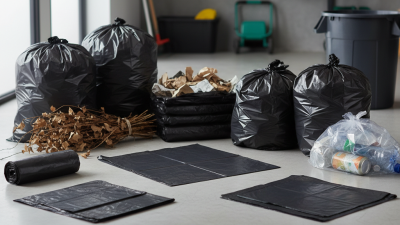
When selecting disposable bags, it's essential to understand the various types available in the market, as each serves distinct purposes and has different environmental impacts. Plastic bags are the most common type, often used for groceries and retail items. They are lightweight and convenient but contribute significantly to plastic pollution if not recycled properly. On the other hand, biodegradable bags are made from materials designed to decompose more quickly than traditional plastics, offering a more eco-friendly option for consumers who are environmentally conscious.
Compostable bags represent another category worth considering. These bags are made from plant-based materials and are suitable for composting, breaking down into organic matter in industrial composting facilities. This option effectively reduces waste and minimizes the environmental footprint. Additionally, there are reusable alternatives designed for long-term use, which help in reducing overall consumption of disposable products. Understanding these different types enables consumers to make informed decisions that align with their needs while fostering a commitment to sustainability.
Types of Disposable Bags and Their Environmental Impact
Factors to Consider When Choosing the Right Size and Material for Your Needs
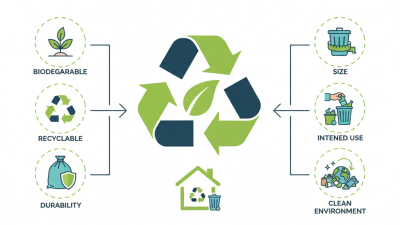
When selecting disposable bags, the size and material are crucial factors to consider in order to meet your specific needs while minimizing environmental impact. According to a report by the EPA, plastic bags make up a significant portion of waste, with over 380 billion single-use plastic bags consumed each year in the U.S. alone. This staggering number highlights the importance of choosing the right type of bag to reduce waste effectively.
When determining the appropriate size for your disposable bags, consider the items you will be storing or transporting. For smaller items, opt for bags that measure around 12x15 inches, while larger items may require bags that are 20x30 inches or more. Additionally, keep in mind that some materials are more eco-friendly than others; for example, biodegradable options made from plant-based materials can break down more naturally compared to traditional plastic. The Sustainable Packaging Coalition suggests using materials that have a lower environmental footprint, such as recycled paper or compostable plastics, as these choices contribute to waste reduction.
**Tips:** When purchasing disposable bags, always check for certifications that indicate the use of sustainable materials. For everyday items, reusable alternatives may provide a longer-term solution, thus reducing the frequency of single-use plastics. Additionally, consider utilizing multiple sizes of bags in your routine to accommodate various needs while enhancing your eco-conscious practices.
How to Choose the Right Disposable Bags for Your Needs and Reduce Waste - Factors to Consider When Choosing the Right Size and Material for Your Needs
| Bag Type |
Material |
Size (Liters) |
Biodegradable |
Use Case |
| Trash Bag |
Plastic |
30 |
No |
Household Waste |
| Compost Bag |
Cornstarch |
20 |
Yes |
Organic Waste |
| Shopping Bag |
Recycled Paper |
10 |
Yes |
Retail Use |
| Food Storage Bag |
Plastic |
5 |
No |
Food Storage |
| Heavy-Duty Trash Bag |
HDPE |
40 |
No |
Construction Waste |
The Environmental Impact of Disposable Bags: Statistics and Insights
The environmental impact of disposable bags is substantial, with recent statistics shedding light on the associated challenges. According to a report from the World Economic Forum, around 1 trillion plastic bags are used globally each year, contributing significantly to pollution. These bags take approximately 1,000 years to decompose in landfills, during which time they can leach toxins into the soil and waterways. Furthermore, the Ocean Conservancy's annual report highlights that plastic bags are among the top ten items collected during beach clean-up efforts, emphasizing their pervasive presence in marine environments and their threat to wildlife.
In addition to their slow degradation, the production of disposable bags also poses environmental concerns. The Energy Information Administration estimates that producing just one ton of plastic bags requires about 7,500 kilowatts of electricity, which can emit nearly 1.5 tons of greenhouse gases. Furthermore, the U.S. Environmental Protection Agency stresses that the incineration of plastic bags releases harmful pollutants, including dioxins, which can affect air quality and human health. As the impacts of disposable bags become increasingly tangible, it is crucial for consumers to examine their choices and seek alternatives that support sustainability and reduce waste in our communities.
Best Practices for Reducing Waste When Using Disposable Bags
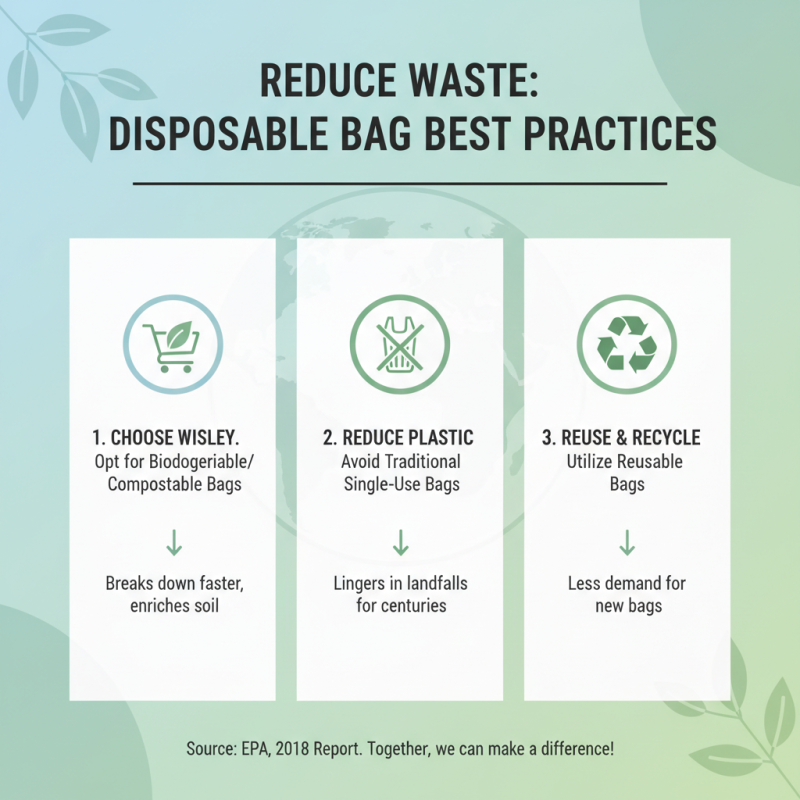
When it comes to using disposable bags, it’s crucial to adopt best practices that contribute to waste reduction. According to a report by the Environmental Protection Agency, Americans generated about 292.4 million tons of trash in 2018, with plastic bags contributing significantly to this waste. A strategic approach to selecting and utilizing disposable bags can help mitigate this environmental impact. Opting for biodegradable or compostable options instead of traditional plastic bags can reduce persistence in landfills, as they break down more quickly under the right conditions, converting themselves into nutrients for the soil.
Moreover, proper usage and disposal of disposable bags are key factors in minimizing waste. A recent survey from the World Wildlife Fund indicated that about 1 trillion plastic bags are used globally each year, with a large portion ending up in oceans and affecting marine life. To combat this, consumers can ensure that their disposable bags are reused whenever possible, such as using them for trash can liners or organizing items at home. Additionally, responsibly recycling these bags where facilities exist can further enhance waste management efforts. By raising awareness about the environmental impacts of disposable bags and promoting sustainable behavior, communities can significantly reduce their ecological footprint.
Innovative Alternatives to Traditional Disposable Bags for Sustainable Living
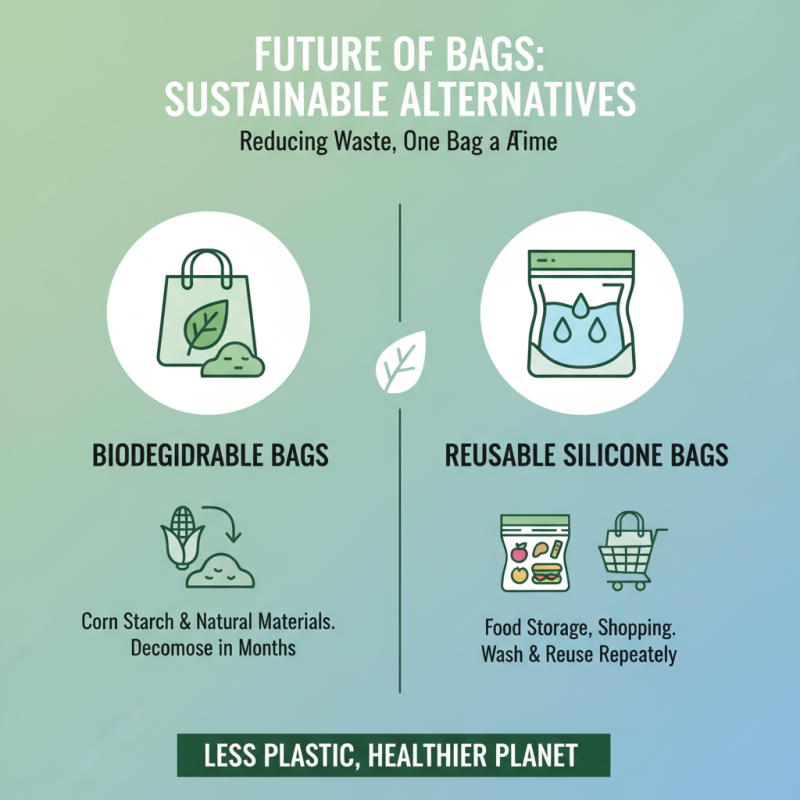
The rise of environmental consciousness has led to the exploration of innovative alternatives to traditional disposable bags. From biodegradable options made from corn starch to reusable silicone bags, these sustainable solutions not only minimize waste but also significantly reduce the reliance on single-use plastics. Biodegradable bags decompose naturally, often within a few months, providing an eco-friendly solution for those who still require the convenience of disposables. Additionally, reusable silicon bags can be easily washed and used repeatedly, making them a fantastic choice for food storage, snack packs, and even bulk shopping.
Incorporating these alternatives into our daily lives requires a shift in mindset. Consumers are encouraged to consider the entire lifecycle of their packaging choices. For instance, opting for plant-based materials or fabrics can lead to a marked decrease in pollution compared to conventional plastic bags. Furthermore, community initiatives and local regulations can also support these sustainable alternatives, creating an environment where eco-friendly practices become the norm. Ultimately, by choosing innovative disposable bag options, individuals can contribute to a more sustainable future while still enjoying the convenience that these products offer.