How to Choose the Best Flat Black Garbage Bags for Your Needs
When it comes to managing waste effectively, choosing the right type of garbage bag can make a significant difference. Flat Black Garbage Bags have become a popular choice for many households and businesses due to their durability, versatility, and aesthetic appeal. However, with various options available in the market, selecting the best flat black garbage bags tailored to your specific needs can be a daunting task.
In this guide, we will explore key factors to consider when picking the perfect flat black garbage bags for your waste disposal requirements. From understanding the different sizes and strengths available to evaluating their suitability for various types of waste, we aim to provide you with the insights needed to make an informed decision. Whether you need bags for everyday household trash, yard waste, or even industrial applications, knowing the right features will help streamline your selection process and enhance your waste management system.
Understanding Different Types of Flat Black Garbage Bags
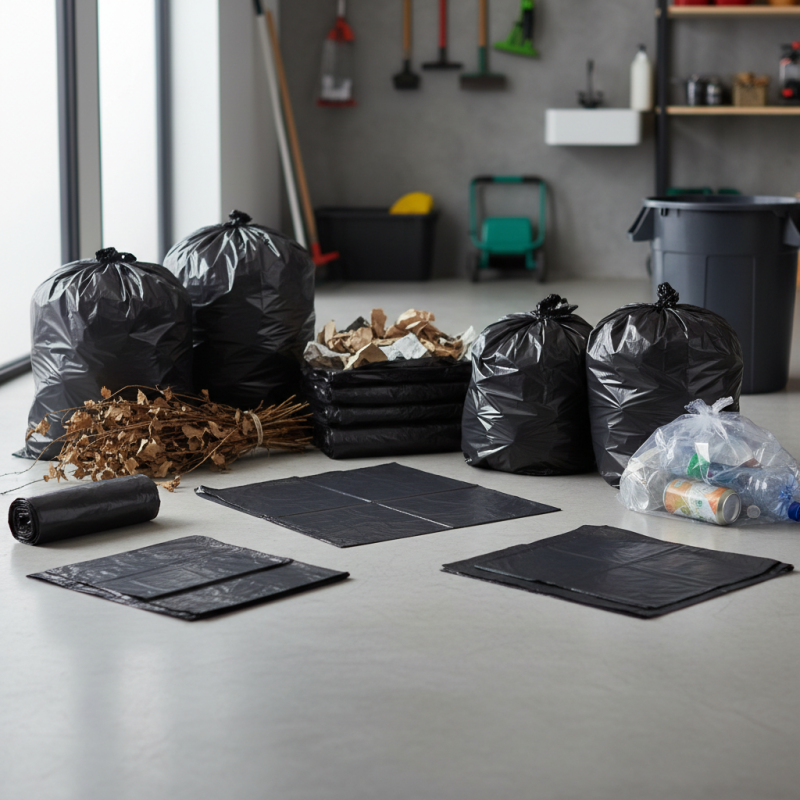
When selecting the right flat black garbage bags, it's essential to understand the different types available in the market. Flat black garbage bags generally come in various sizes, thicknesses, and materials, each designed for specific waste disposal needs. For instance, heavy-duty bags are ideal for construction debris or yard waste due to their durability, while standard bags may suffice for household waste. According to a recent industry report, over 60% of consumers prefer heavy-duty bags for their increased reliability and resistance to tearing, especially in environments where sharp objects may be disposed of.
When choosing the best bag for your needs, consider the thickness measured in mils. Thicker bags (3 mils and above) are typically used for heavier loads, while thinner bags (1-2 mils) are suitable for lighter, non-sharp waste. Additionally, the size plays a crucial role; the average household may require bags ranging from 13 to 30 gallons, but larger sizes are recommended for commercial or industrial use.
**Tips:** Always check the weight capacity listed on the packaging to ensure you are getting a bag that can handle your specific waste type. Additionally, consider buying bags in bulk to save money and reduce waste generated from packaging. By understanding these distinctions and applying these tips, you can make a more informed decision that aligns with your waste management needs.
Comparison of Different Types of Flat Black Garbage Bags
Evaluating the Strength and Durability of Garbage Bags
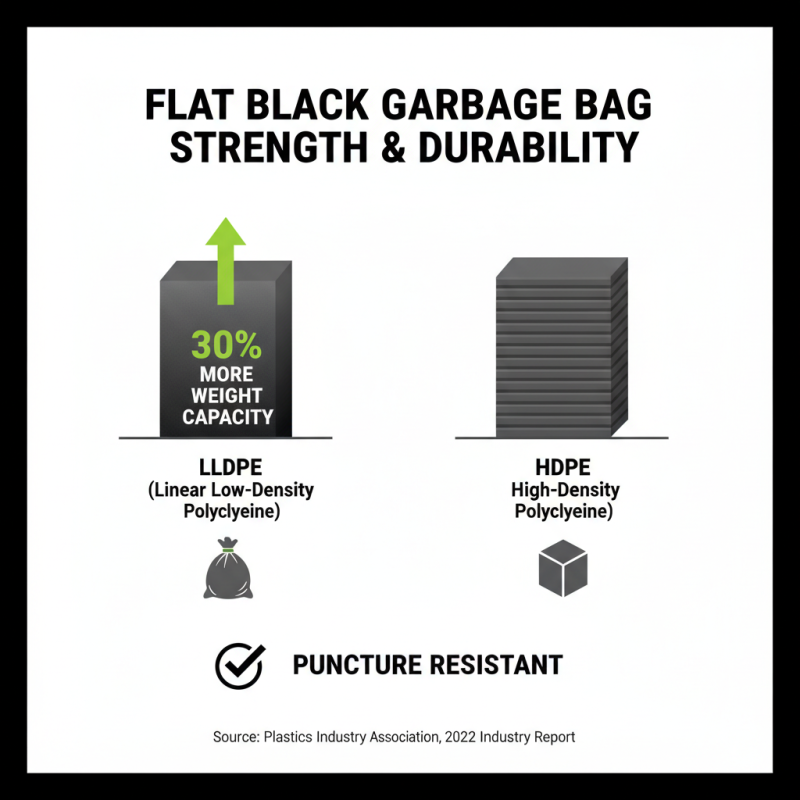
When evaluating the strength and durability of flat black garbage bags, it's essential to consider the materials used in their production. Most high-quality garbage bags are made from linear low-density polyethylene (LLDPE) or high-density polyethylene (HDPE), which provide excellent tensile strength and resistance to puncturing. According to a 2022 industry report by the Plastics Industry Association, LLDPE bags can withstand up to 30% more weight than traditional HDPE bags while maintaining flexibility, making them ideal for a variety of waste management needs.
Thickness is another crucial factor in determining the durability of garbage bags. Measured in mils, thicker bags generally offer superior strength. For instance, bags that are 3 mils or thicker are often rated for heavy-duty applications, such as construction debris or yard waste. Research from the American Society for Testing and Materials (ASTM) emphasizes the importance of a bag’s weight capacity; a 3 mil bag can typically hold up to 50 pounds without significant risk of tearing, whereas thinner options may fail under heavy loads. Thus, understanding these specifications is critical for selecting the right garbage bag to ensure it meets your specific disposal requirements.
Assessing Size and Capacity for Your Waste Needs
When selecting flat black garbage bags, one of the most critical factors to assess is size and capacity, tailored to your specific waste disposal needs. According to recent reports from industry analysts, a household typically generates an average of 4.5 pounds of waste per person per day. This figure can significantly influence the size of the garbage bags you choose.
For instance, a standard 13-gallon bag is often sufficient for kitchens where family waste accumulates, while larger 30-gallon bags are better suited for outdoor or yard waste, where bulk and size can vary.
Moreover, understanding the capacity of garbage bags is essential for efficient waste management. The waste composition also plays a role in determining the right bag size; heavier and denser materials require stronger bags to prevent tearing, while lighter waste may allow for thinner, more cost-effective options. Industry statistics suggest that adopting the appropriate bag size can lead to a reduction in waste overflow incidents by up to 25%, saving time and resources in waste collection. Therefore, carefully considering your typical waste load can help you make a more informed decision, optimizing both functionality and cost-effectiveness.
Exploring Environmental Impact and Biodegradable Options
When selecting flat black garbage bags, it's essential to consider their environmental impact, especially given the current concerns surrounding plastic waste. Traditional plastic bags can take centuries to decompose, contributing significantly to landfill issues and pollution. Therefore, exploring biodegradable options can be a viable solution. These bags are designed to break down more quickly in landfills, reducing their long-term effects on the environment. Look for certification labels that indicate the bags meet standards for biodegradability, ensuring they will decompose more efficiently than conventional plastics.
Tips for choosing environmentally friendly garbage bags include checking for materials that promote biodegradation, such as those made from plant-based resins or recycled materials. Additionally, opt for bags with minimal packaging and those that are produced through sustainable practices. Always consider the size and thickness of the bags; sometimes, thicker bags may be necessary for heavier waste, but many lightweight biodegradable options are available that perform well for standard household use. By making informed choices, you can minimize the environmental impact of your waste disposal routine, supporting a healthier planet.
Comparing Prices and Brands for Value and Quality
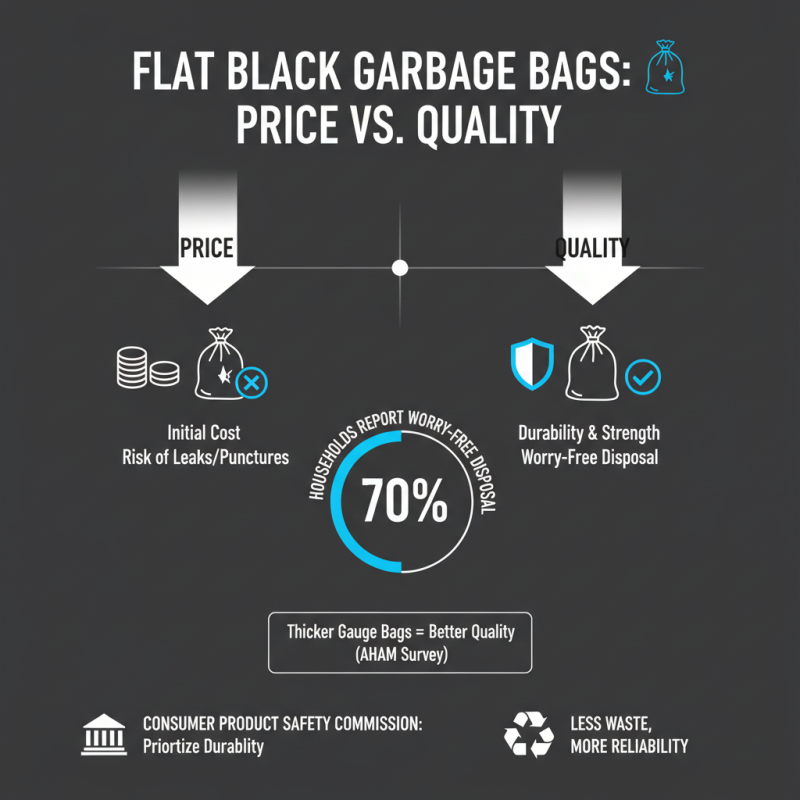
When selecting flat black garbage bags, price and quality are key considerations that can greatly affect your overall experience. Research from the Consumer Product Safety Commission indicates that consumers often prioritize durability and strength over initial cost, with high-quality bags effectively reducing the risk of leaks and punctures. According to a survey conducted by the Association of Home Appliance Manufacturers, 70% of households reported disposing of waste without concern when using thicker gauge bags, which typically indicates better quality.
In comparing prices among different options, it's essential to assess the cost per bag rather than just the package price. Data from market analysis suggests that while some brands may offer a lower upfront cost, they often come with a lower count or reduced thickness. On average, higher-quality flat black garbage bags may range from 15 to 25 cents per bag, reflecting both their durability and the value they provide over time by minimizing the need for replacements. This analysis highlights the importance of balancing budget constraints with the long-term benefits of investing in premium products that save time and reduce waste management woes.