How to Choose the Best Medical Waste Bags for Safe Disposal?
When dealing with medical waste, safety is paramount. The proper use of Medical Waste Bags is essential for preventing environmental contamination and protecting public health. Choosing the right bags is a crucial task for healthcare facilities. These bags must meet specific regulations and standards to ensure effective disposal.
Medical Waste Bags come in various types and sizes. Each type serves a specific purpose, ranging from hazardous materials to non-hazardous waste. Understanding these categories can be overwhelming. Many facilities still struggle with finding the right options. Selecting inadequate bags can lead to serious risks, such as leaks or exposure to harmful substances.
Consideration of durability is vital when choosing Medical Waste Bags. They should resist punctures and tears during handling. Additionally, it’s important to choose bags with clear labeling. This ensures that everyone involved in waste disposal understands the types of waste being handled. Mistakes in waste management can lead to dire consequences. Therefore, a meticulous approach is needed in exploring options to achieve safe and compliant disposal.

Understanding Medical Waste and Its Risks
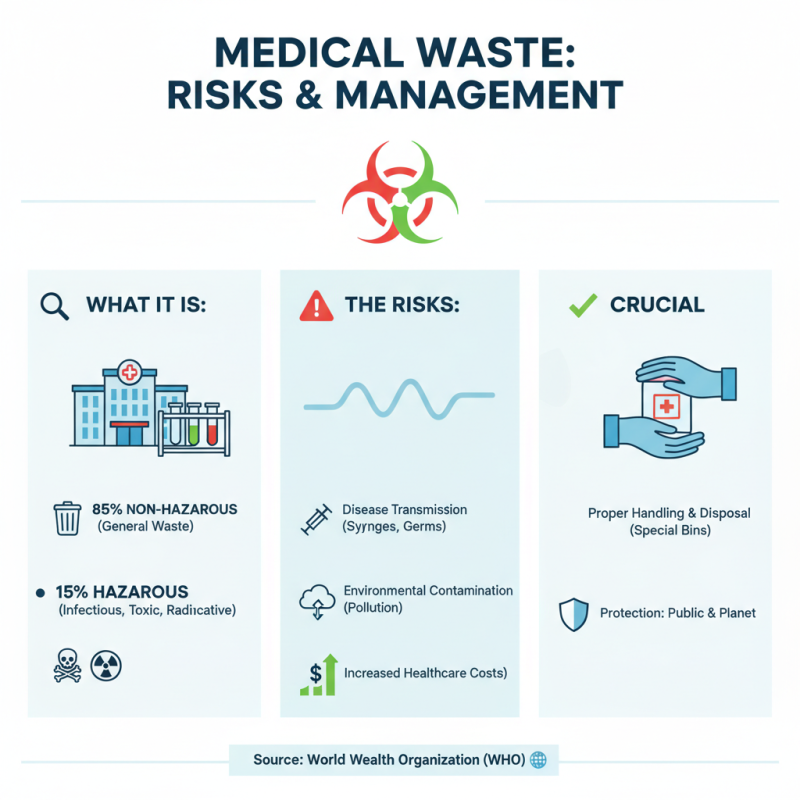
Medical waste poses significant risks to public health and the environment. According to the World Health Organization, about 85% of total medical waste is non-hazardous. However, the remaining 15% contains infectious, toxic, or radioactive substances. Proper handling and disposal are crucial. Improperly managed medical waste can lead to disease transmission, environmental contamination, and increased healthcare costs.
Tips for selecting medical waste bags: ensure they meet regulatory standards. Use bags that are puncture-resistant and leak-proof. Color coding can help in identifying waste types quickly, reducing the chances of cross-contamination. Regular training for staff on the risks associated with medical waste is vital. Data from a study by the U.S. Environmental Protection Agency reveals that hospitals that adopt strict protocols see a 30% reduction in incidences of improper disposal.
Awareness of the risks associated with medical waste is essential. Each healthcare facility has unique challenges. This highlights the need for ongoing risk assessments. Frequent evaluation of waste management practices can prevent compliance issues. It’s important to reflect on current waste disposal methods and make necessary adjustments.
Types of Medical Waste Bags Available on the Market
When it comes to medical waste disposal, choosing the right bags is crucial. Several types of medical waste bags are available on the market. Each type serves a specific purpose, catering to different kinds of hazardous materials.
Red bags are designed for biohazardous waste, including contaminated items like gloves or gauze. They are typically puncture-resistant and leak-proof, helping to prevent spillage.
Yellow bags are meant for infectious waste, while
black bags are often used for non-hazardous waste. Knowing which bag to use can prevent
cross-contamination, a potential lapse in safety.
Not all medical waste bags are created equal. Some may not meet safety standards, leading to risks in handling and disposal.
Evaluating certifications and regulations is necessary. Regular audits might reveal gaps in compliance. Careful selection ensures safety for healthcare workers and the environment. However, ongoing education about proper disposal methods remains essential.
Key Features to Look for in Medical Waste Bags
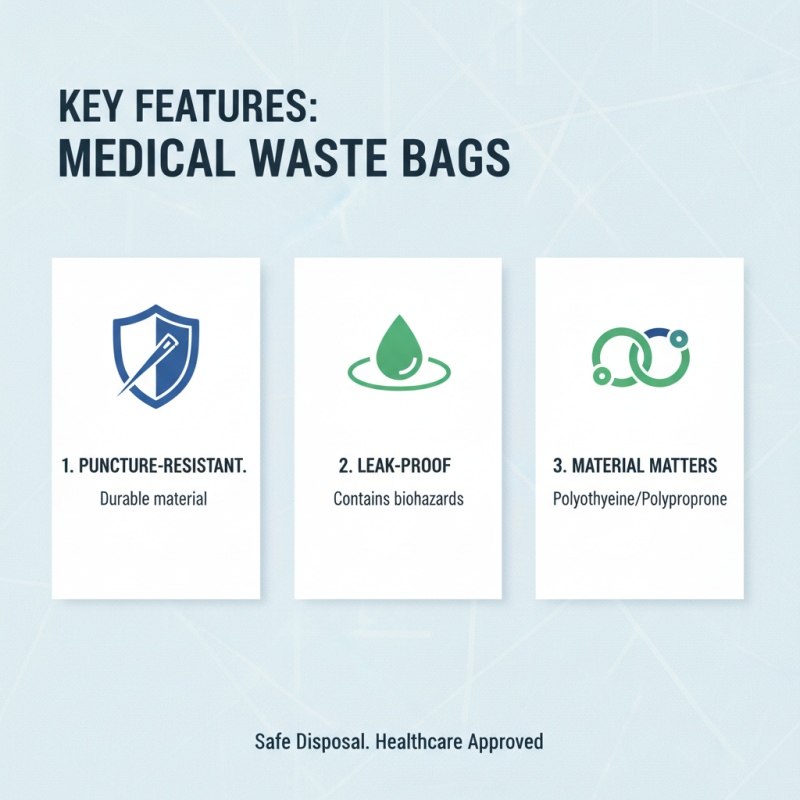
When choosing medical waste bags, specific key features are essential for ensuring safe disposal. First, consider the bag's material. It should be puncture-resistant and leak-proof to contain biohazardous materials effectively. Many facilities rely on polyethene or polypropylene bags. These materials offer excellent durability. They can handle sharp objects without breaking.
Look for bags with clear biohazard symbols. This labeling helps staff and waste disposal teams identify the contents easily. Proper labeling reduces the risk of mishandling. Another vital feature is the bag's size. It should suit your facility's needs. Too small bags may overflow, while excessively large bags might waste resources.
Do not overlook the importance of sealing. Bags with secure closures, such as ties or sealed edges, contribute to safety. A weak closure can lead to exposure. Reflect on how often bags are filled and replaced. Frequent changes can prevent potential leaks and hazards. Always ensure compliance with local regulations regarding medical waste disposal; failing to do so can lead to complications or fines.
Compliance with Regulations and Standards for Disposal
When selecting medical waste bags, ensuring compliance with regulations and standards is crucial. Various local and national regulations dictate how medical waste should be managed. Understanding these requirements helps in choosing the right type of bag. Not all bags are created equal; some meet government standards while others do not. A reliable bag will often indicate compliance with these standards, ensuring safety in disposal.
Proper labeling and color coding are also important. Depending on the type of waste, these elements can vary significantly. For example, biohazard bags must be easily identifiable. Mislabeling can lead to severe consequences, exposing personnel and the environment to hazardous materials. Regular audits of your waste disposal process can highlight areas that require improvement.
Additionally, it’s critical to consider the bag’s material. Choosing strong, puncture-resistant materials minimizes the risk of leaks. Despite meeting the regulations, not every solution offers the same level of safety. Continuous education about regulatory changes can guide better practices. Institutions should regularly review their disposal methods and adapt as necessary.
Best Practices for the Safe Use and Disposal of Medical Waste Bags
Proper disposal of medical waste is critical to public health. The CDC states that over 5.6 million healthcare workers are exposed to medical waste annually. This exposure can lead to serious health risks. Medical waste bags are an essential part of this process. They must be chosen carefully to ensure safety.
Best practices include using color-coded bags. Red bags typically indicate biohazardous materials. Black or yellow bags are often used for general waste. According to the EPA, not adhering to these guidelines can increase the risk of contamination. It is vital to seal all bags tightly to prevent leaks. If a bag is torn, it may not contain harmful waste effectively.
Training staff on proper usage is equally important. Many healthcare facilities overlook this step. An internal review by healthcare managers found that 30% of waste was not disposed of correctly. This raises concerns about potential harm. Regular audits can help organizations identify and rectify their processes. Involving everyone in waste management can significantly reduce risks.
Distribution of Medical Waste Types by Percentage