How to Choose Biodegradable Plastic Bags for Your Needs?
Selecting the right biodegradable plastic bags can be challenging. According to Dr. Lisa Green, a leading expert in sustainable materials, “Choosing the appropriate biodegradable plastic bag is crucial for effective waste management.”
As environmental concerns rise, more consumers seek biodegradable options. It's essential to understand how these products break down. Not all biodegradable plastic bags are created equal. Some require specific conditions to decompose properly. Consumers often overlook this detail, leading to frustration when they don’t perform as expected.
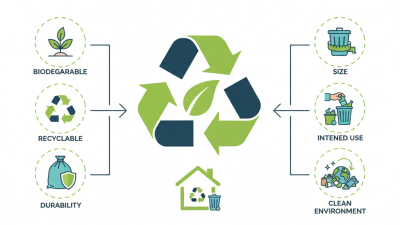
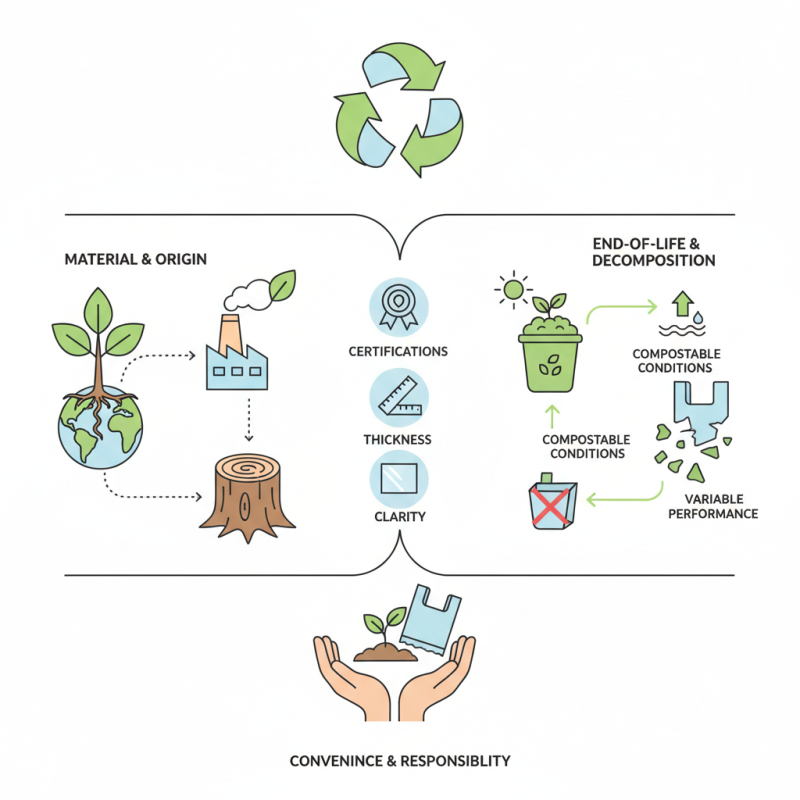
When choosing biodegradable plastic bags, consider the material’s origin and its end-of-life scenario. While many bags are labeled biodegradable, their actual performance varies. Researching brands and certifications can ensure better choices. Small details, like thickness and clarity, matter too. Selecting the right bag means balancing convenience with environmental responsibility.
Understanding the Basics of Biodegradable Plastic Bags
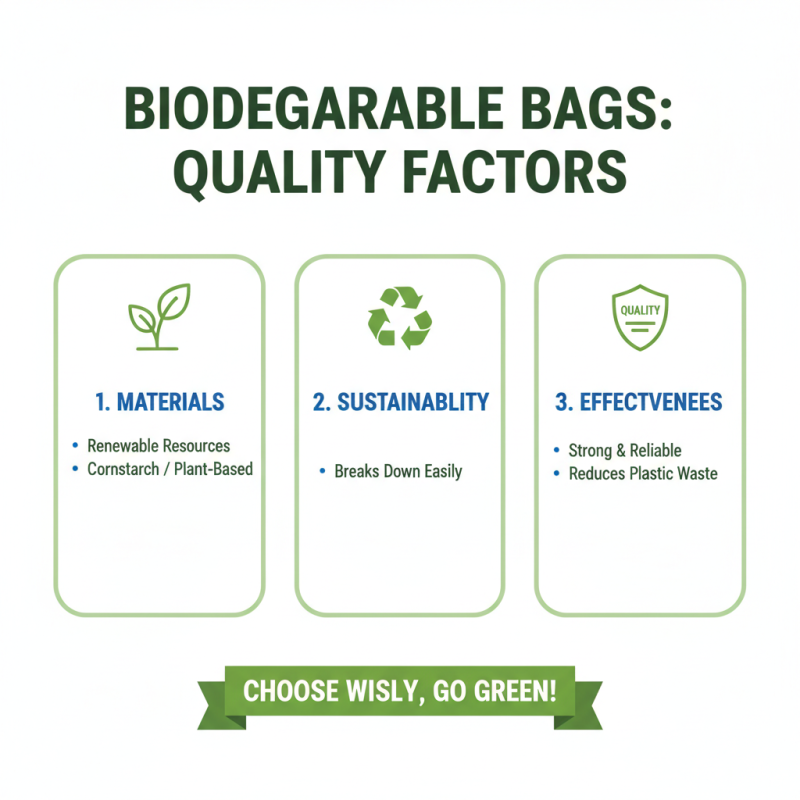
Biodegradable plastic bags are not all the same. Understanding their composition is key. These bags often contain natural materials like cornstarch or vegetable oils. Reports indicate that over 300 million tons of plastic are produced globally every year. The shift toward biodegradable options could reduce this amount significantly.
However, the term "biodegradable" can be misleading. Not all biodegradable bags break down in the same time frame. For instance, a study showed that certain bags take over three years to decompose. This raises questions about their environmental impact. Consumers need to be cautious and informed when choosing these products.
The certification of biodegradable bags matters. Look for specific certifications that ensure they meet environmental standards. Some bags labeled as biodegradable may not break down in home composting systems. This can lead to more waste in landfills. Understanding the nuances of biodegradable plastics can guide better decisions.
Understanding the Usage of Biodegradable Plastic Bags
Types of Biodegradable Plastics and Their Characteristics
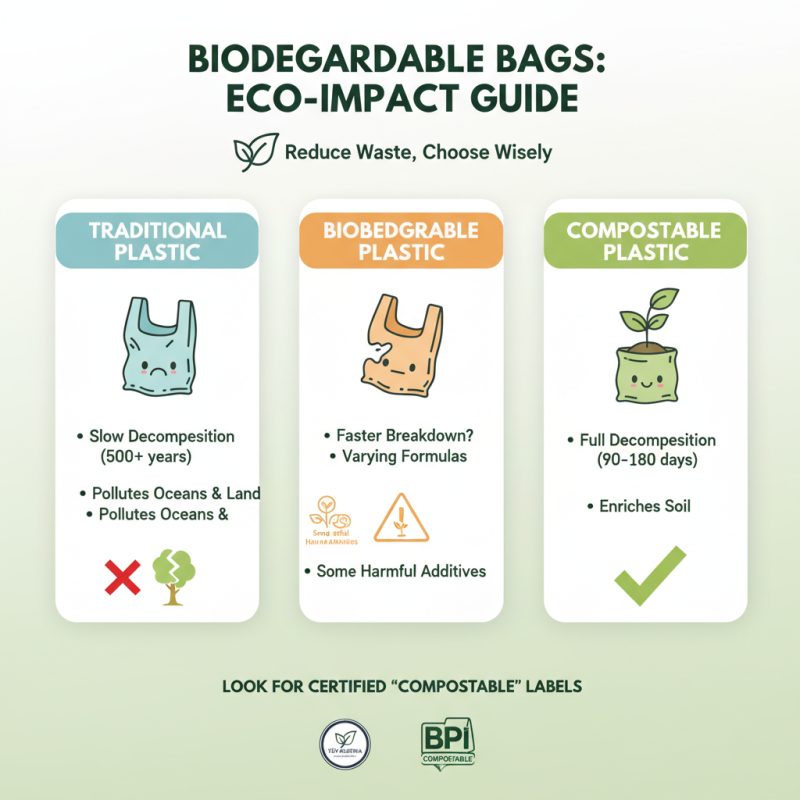
When choosing biodegradable plastic bags, understanding their types is essential. Three common types are oxo-biodegradable, traditional biodegradable, and compostable plastics.
Oxo-biodegradable bags contain additives that accelerate degradation. They break down into microplastics, which can harm ecosystems. Reports indicate that these bags may not fully decompose in landfills.
Traditional biodegradable plastics, like polylactic acid (PLA), come from renewable resources. According to a study, PLA can decompose in industrial composting facilities within 90 days. However, they require specific conditions, often not met in standard landfills. Without the right environment, their degradation slows significantly.
Compostable plastics differ from traditional ones. They need specific conditions to fully compost. A research report states that compostable bags can take 90 to 180 days to decompose. They are ideal for organic waste but may not perform well outside composting systems. Evaluating these characteristics helps in selecting the right option for your needs while considering environmental impact.
Evaluating Your Environmental Impact When Choosing Bags
When choosing biodegradable plastic bags, evaluating your environmental impact is crucial. These bags decompose faster than traditional plastics, which is a step towards reducing waste. Yet, not all biodegradable bags are created equal. Some contain additives that still harm the environment. It’s important to look for products labeled as compostable.
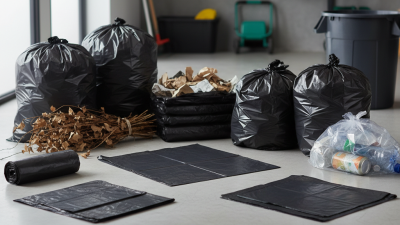
Consider your usage patterns. Are you using these bags for groceries or waste disposal? The context matters. A bag meant for food waste needs to break down efficiently in a compost environment. Strive for transparency in sourcing. Are the materials sustainably obtained? Think about the entire lifecycle of the bag. Each decision affects the planet.
It’s easy to focus solely on the positive aspects of biodegradable options. However, it's wise to reflect on the nuances. Some biodegradable bags may not degrade in landfills. They could take years to break down, leading to hidden impacts. As consumers, we must question what we buy. Awareness can drive better choices and foster a more sustainable future.
Considering Usage Scenarios for Biodegradable Plastic Bags
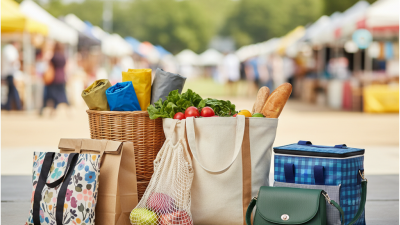
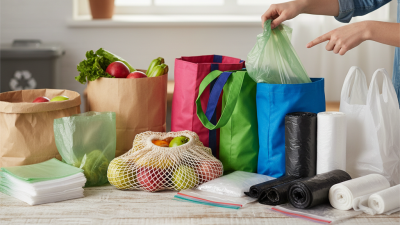
When selecting biodegradable plastic bags, it's essential to consider how you'll use them. Different scenarios call for varied features. For grocery shopping, larger bags are crucial. They should hold weight while breaking down naturally over time. Think about daily usage. Will you need durable options or lighter ones for items like produce?
For food storage, certain biodegradable bags can resist moisture. This is vital to avoid leaks and keep food fresh. You may find options tailored for composting. These can transform waste effectively if used correctly. Remember, not all biodegradable bags are equal. The materials used can affect decomposition speed and environmental impact.
Reflect on local disposal methods too. If your community has composting facilities, use compatible bags. Otherwise, you may need to rethink your choice. Sometimes, convenience can lead us astray. What seems easy today might complicate the earth's future tomorrow. Choose wisely, and think about the long-term effects on the planet.