How to Choose the Right Plastic Bags for Your Needs?
Choosing the right plastic bags can be overwhelming. There are many options available. Each type serves different purposes. James Anderson, a renowned expert in the plastic industry, once said, “Selecting the right plastic bags can greatly impact your business and the environment.” This statement highlights the importance of making informed decisions.
When selecting plastic bags, consider the material. Some are biodegradable, while others last longer. The choice you make reflects your values. It's essential to weigh the benefits of durability against the desire for sustainability. A clear understanding of your needs simplifies the decision-making process.
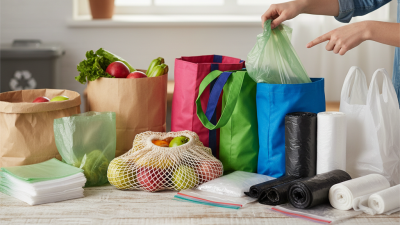
Visualize the use of plastic bags in everyday life. Grocery stores, retail shops, and homes all rely on them. However, many overlook the impact of their choices. It’s vital to reflect on both personal preferences and broader implications. Are we prioritizing convenience over environmental responsibility? Your choice in plastic bags tells a story about your values and priorities.
Understanding Different Types of Plastic Bags Available in the Market
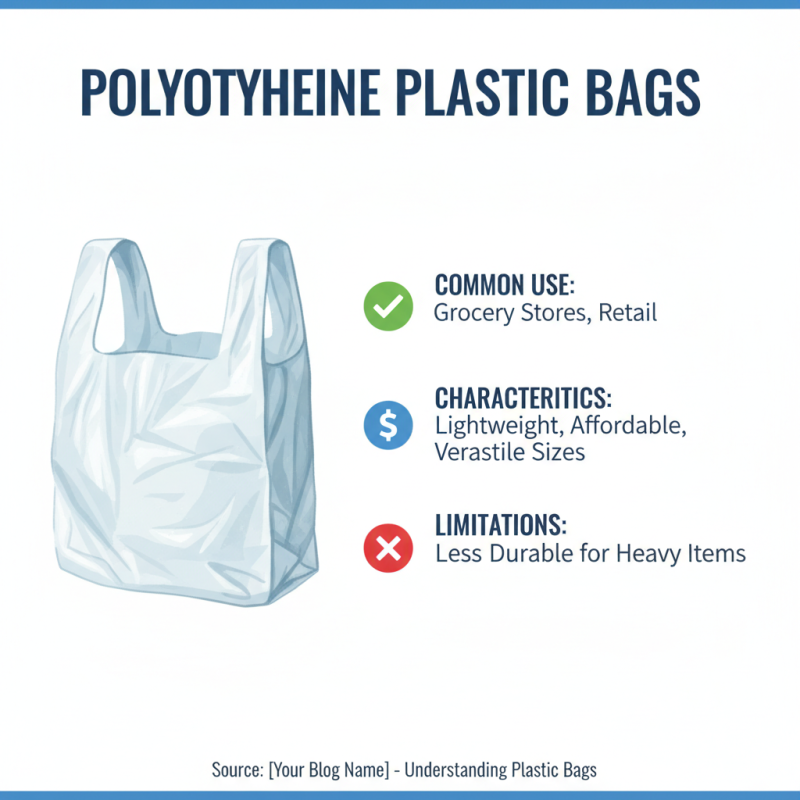
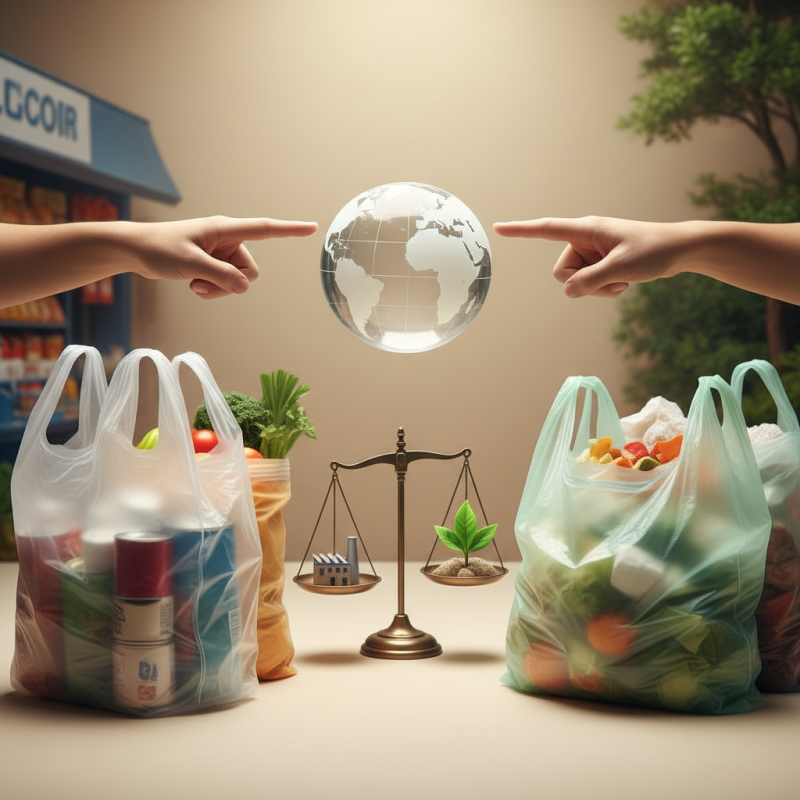
When selecting plastic bags, it’s essential to understand the different types available. The most common are polyethylene bags, often used in grocery stores. These bags are lightweight and affordable. They come in various sizes, making them versatile for different uses. However, they may not be the most durable option for heavier items.
Another type is the polypropylene bag. These are sturdier and can hold more weight. They are often used for retail packaging. While they are a bit pricier, they offer better durability. A significant benefit is their ability to be reused. This can lead to less waste and a more sustainable choice. Still, they aren’t perfect and can take longer to break down in the environment.
Tips: Consider your needs before choosing a bag. If lightweight is key, polyethylene may work. For heavy items, opt for polypropylene. Remember to check for thickness. A thicker bag can hold more weight. It’s also important to reflect on how many bags you really need. Reducing usage can help minimize environmental impact.
Assessing the Material Quality and Thickness for Durability
Choosing the right plastic bags often starts with understanding the material quality and thickness. Thicker bags tend to offer better durability. Lightweight bags, while cheaper, may not hold heavy items. Assessing how much weight your bag needs to carry is essential.
When selecting a bag, check its thickness. Common thicknesses are measured in mils. A bag that is 2-4 mils thick is sturdy enough for groceries. Bags over 6 mils are excellent for heavy-duty tasks. However, overspending on unnecessary thickness is a common pitfall. You might not need those extra strong options for simple tasks.
Tips: Always opt for puncture-resistant materials. Look for bags that have reinforced handles. This will prevent tearing when carrying. Remember, the right choice is not always the most expensive one. Reflect on your needs before deciding.
Identifying the Ideal Size and Dimensions for Your Usage
Choosing the right size and dimensions of plastic bags is crucial. Many industries overlook this aspect. Reports suggest that 30% of packaging waste comes from ill-fitting bags. Proper sizing minimizes waste and optimizes usage.
When selecting a bag, consider your product's dimensions. For instance, a bag too large can lead to damage during transport. An ideal bag should fit snugly around the product without excessive space. This helps reduce shifting and potential breakage. It's surprising that many businesses still choose generic sizes, even though 68% of customers prefer customized packaging for their purchases.
Additionally, the thickness of the bag is a key factor. Thinner bags may not hold heavier items securely. A study indicated that 45% of consumers had dealt with ripped bags. This often leads to product loss and customer dissatisfaction. Rethinking bag dimensions and thickness can enhance user experience. In a competitive market, these details can make a difference.
How to Choose the Right Plastic Bags for Your Needs
This bar chart illustrates different plastic bag sizes and their common uses, helping you identify the ideal dimensions for your needs.
Evaluating Environmental Impact and Eco-Friendly Alternatives
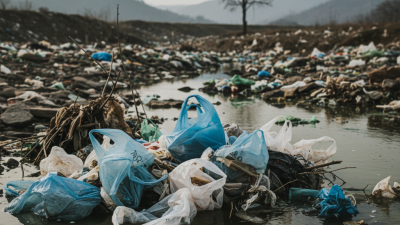
When choosing plastic bags, consider their environmental impact. Traditional plastic bags contribute to pollution and can harm wildlife. They break down into microplastics, which can enter the food chain. Evaluating the longevity of plastic bags is crucial. Some take hundreds of years to decompose. You might think a single-use bag is convenient, but its consequences are far-reaching.
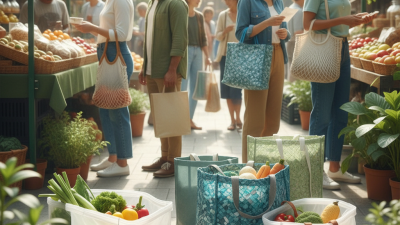
Tips: Look for biodegradable options. They break down faster and are less harmful to the environment. Reusable bags can be a great alternative. They provide durability and reduce waste. Consider your daily needs when selecting a bag type.
Also, reflect on the frequency of your plastic bag use. Limiting usage can help lower your overall environmental footprint. Assess your habits, and think about switching to eco-friendly alternatives. Eco-friendly materials help minimize negative impacts. Every small change contributes to a healthier planet.
How to Choose the Right Plastic Bags for Your Needs?
| Bag Type |
Material |
Typical Use |
Environmental Impact |
Eco-Friendly Alternatives |
| HDPE (High-Density Polyethylene) |
Plastic |
Grocery bags |
Not biodegradable, but recyclable |
Biodegradable bags made from cornstarch |
| LDPE (Low-Density Polyethylene) |
Plastic |
Food packaging |
Less environmental impact, recyclable |
Recyclable paper bags |
| Woven Polypropylene |
Plastic |
Reusable shopping bags |
Durable but not biodegradable |
Cotton or hemp bags |
| Compostable Bags |
Bioplastics |
Organic waste collection |
Biodegradable under composting conditions |
Paper bags for organic waste |
| Recyclable Plastic Bags |
Plastic |
Store pickup |
Can be recycled if taken to a proper facility |
Biodegradable options |
Determining Cost-Effectiveness and Bulk Purchasing Options
When it comes to selecting plastic bags, cost-effectiveness and bulk purchasing options are crucial. According to industry reports, buying in bulk can save companies up to 30% per unit. This is significant for businesses that rely on a high volume of bags. Assessing your needs is essential. Are you using them for food, retail, or industrial purposes? Different bags have different price points.
Tips: Consider the thickness of the bags. A thicker bag may cost more initially but last longer, reducing overall costs. In contrast, thinner bags might be cheaper upfront but could require frequent replacements.
Be cautious about unit pricing. Sometimes bulk offers seem tempting, but not all bags meet quality standards. A low-quality bag can break or tear easily, leading to higher replacement costs. Regularly evaluating your supplier's pricing models can help mitigate such risks. Always request samples before committing to large orders.