What is Eco Gloves and Why Are They Important for Sustainability?
Eco Gloves represent a significant step towards sustainability. They are designed to reduce environmental impact. Traditional gloves often use materials harmful to the planet. In contrast, Eco Gloves are made from sustainable resources. These innovative designs promote eco-friendliness and responsible consumption.
The importance of Eco Gloves goes beyond just materials. They play a crucial role in reducing waste. As more people embrace sustainable living, Eco Gloves offer a practical solution. They serve multiple functions while being kind to the Earth. However, consumer awareness about these products remains low. Many still opt for conventional options out of habit.
Encouraging change is essential. Promoting Eco Gloves can lead to a broader shift in consumer behavior. By making informed choices, individuals can help protect the environment. Each small step counts in the fight for sustainability. Therefore, understanding Eco Gloves and their significance is vital for a greener future.

Definition and Overview of Eco Gloves
Eco gloves are an innovative alternative designed to reduce environmental impact. They are crafted from sustainable materials, such as organic cotton and biodegradable polymers. This shift is essential as traditional gloves often rely on petroleum-based products, contributing to plastic pollution. According to industry reports, about 300 million tons of plastic are produced each year, and a significant portion ends up in landfills.
Moreover, eco gloves offer functionality without compromising safety. Many of these gloves maintain the same durability as conventional ones. They can be used across various industries, from food service to healthcare. A recent survey indicated that 65% of consumers prefer sustainable products, showing a clear demand for eco-friendly options. Despite these advancements, there is still a challenge in scaling production to meet this growing demand, as eco-friendly materials can be pricier.
While eco gloves present a promising solution, they are not the ultimate answer to sustainability issues. Their effectiveness relies on proper disposal and recycling efforts. Awareness is crucial; many users are unsure about how to properly discard these products. As the conversation around sustainability evolves, continuous improvements and consumer education are necessary for the eco glove market to thrive.
Materials Used in Eco Gloves: A Look at Sustainability
Eco gloves are becoming popular due to their sustainable materials. These gloves are made from natural, renewable resources. For example, many eco gloves utilize organic cotton, bamboo, or recycled materials. These choices significantly reduce environmental impact.
Natural rubber is another key material. It is biodegradable and sourced from sustainable plantations. This contrasts sharply with synthetic gloves, which can take decades to break down in landfills. Additionally, some eco gloves use plant-based dyes, further minimizing environmental harm.
However, the production of eco gloves isn’t flawless. Sourcing raw materials can still disrupt local ecosystems. There’s also the question of transportation emissions. Even the best intentions can have unintended effects. Consumers should critically consider the full life cycle of eco gloves. They must reflect on how these products align with their values. The aim is to promote sustainability, but there’s still a long way to go.
The Environmental Impact of Traditional Gloves vs. Eco Gloves
Traditional gloves often contribute significantly to environmental degradation. Made primarily from synthetic materials, they can take hundreds of years to decompose. The production process for these gloves consumes large amounts of energy, releasing harmful greenhouse gases. According to a study by the Sustainable Apparel Coalition, producing a single pair of synthetic gloves can emit up to
2.5 kilograms of CO2. This impact is especially concerning given the scale of glove production globally.
Eco gloves, in contrast, utilize sustainable materials such as organic cotton, recycled plastics, and biodegradable compounds. These alternatives significantly reduce carbon emissions during manufacturing. A report from the Global Recycling Foundation highlights that using recycled materials can cut energy consumption by up to
70%. However, eco gloves still face challenges. For example, while biodegradable options break down faster, they require specific conditions to do so effectively. This limitation raises questions about their practicality in various environments. The transition to eco-friendly gloves is a critical step, though it brings both advantages and complexities.
Benefits of Eco Gloves for Consumers and the Planet
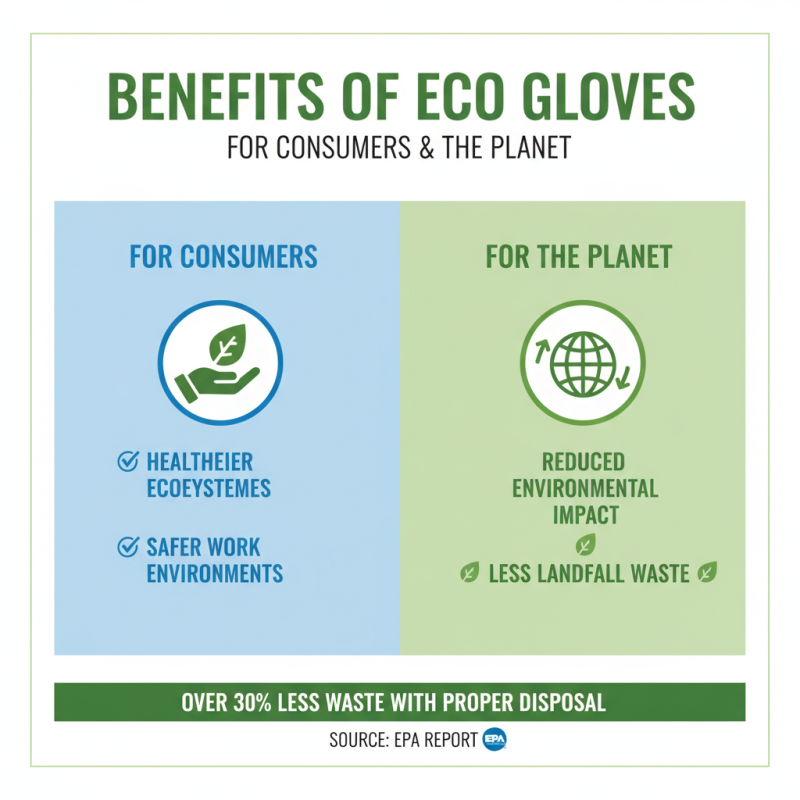
Eco gloves are becoming increasingly important for both consumers and the planet. These gloves, made from sustainable materials, significantly reduce environmental impact. A report from the Environmental Protection Agency indicates that proper disposal can minimize landfill waste by over 30%. Choosing eco-friendly products leads to healthier ecosystems and safer work environments.
For consumers, eco gloves offer multiple advantages. They are often biodegradable and sourced from renewable materials. This means less plastic pollution in oceans and habitats. A study published in Sustainability Journal highlights that switching to eco gloves can reduce carbon footprint by nearly 20%. Additionally, many eco gloves feature enhanced grip and comfort, which improve usability for various tasks.
Yet, there are challenges to consider. Not all eco gloves are created equal. Some may not hold up well under heavy use. The transition from conventional materials to sustainable options requires awareness and active participation. Consumers must also navigate a growing market, filled with claims that can be misleading. This calls for careful research and consideration. Balancing sustainability with practicality remains a vital topic in the conversation about eco-friendly products.
Innovations in Eco Gloves: Future Trends and Developments
Innovations in eco gloves are transforming the sustainability landscape. Recent industry reports indicate that the global market for eco-friendly gloves is expected to grow by 30% over the next five years. This surge reflects a growing awareness of environmental issues among consumers and industries alike.
Biodegradable materials are at the forefront of this shift. These materials can decompose within a few months, minimizing plastic waste. Some companies are innovating by using plant-based polymers, reducing reliance on fossil fuels. Yet, challenges remain. Producing these eco-friendly options still requires significant energy and resources. Balancing sustainability and performance is crucial.
Another trend is the integration of smart technology. For instance, gloves with sensors can monitor environmental exposure. Data shows that nearly 60% of users find smart features appealing. However, these advancements raise concerns about electronic waste. Addressing the lifecycle of these products is essential. The journey towards sustainable gloves is ongoing and complex, but the potential impact is profound.
What is Eco Gloves and Why Are They Important for Sustainability?
The following chart illustrates the growing importance of eco gloves in various sectors over the past five years, highlighting trends in usage across different industries that contribute to sustainability efforts.