What is the Process to Produce Plastic Bags Efficiently?
The plastic bag industry plays a crucial role in packaging and convenience. In 2022, global production reached 45 million tons. This growth reflects the increasing demand for lightweight and versatile packaging solutions. To efficiently produce plastic bags, companies are optimizing production processes and investing in technology.
Expert Alex Johnson, a leader in the field, stated, “Innovations in machinery have transformed how we produce plastic bags.” His insights highlight the importance of technology in increasing efficiency. Many manufacturers are now adopting automation to reduce waste and speed up output. However, even with advancements, the industry faces challenges related to sustainability.
The reliance on single-use plastic bags raises questions about environmental impact. Consumers are becoming more aware of these issues, and companies must adapt. Improving recycling methods and exploring biodegradable alternatives are necessary steps. As the industry evolves, the balance between efficiency and sustainability will be crucial for its future.
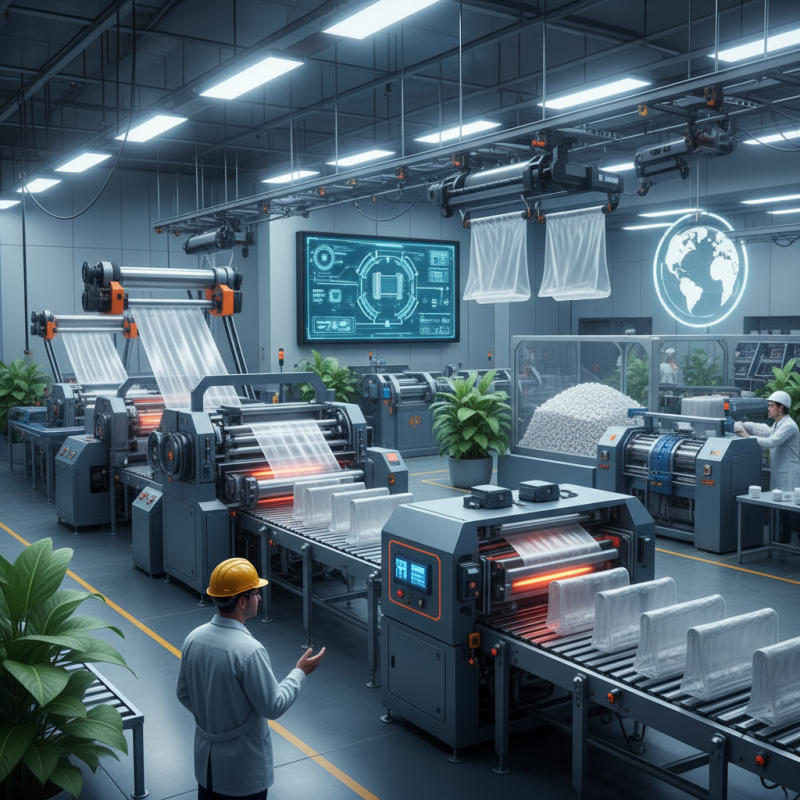
Overview of Plastic Bag Production Process
The production of plastic bags involves several key steps. Initially, raw materials, primarily polyethylene, are sourced and prepared. These materials come from petrochemical processes. They are then heated until they become a viscous liquid. This liquid is essential for creating plastic films.
Next, the liquid is extruded through a die. This forms a tube or flat film. The film is cooled and wound onto rolls. This stage is crucial for maintaining quality. The thickness and clarity of the film can vary significantly. Measuring these parameters accurately can be challenging.
Afterward, the film is printed with designs or logos, if needed. This print quality impacts branding and market appeal. Finally, the plastic is cut and sealed into bags. Despite automation, the process still has room for improvement. Waste production is often higher than desired. Recycling remains an ongoing challenge in the industry.
What is the Process to Produce Plastic Bags Efficiently? - Overview of Plastic Bag Production Process
| Process Step |
Description |
Materials Used |
Efficiency Factor |
| Material Preparation |
Gathering and recycling polymer materials. |
Polyethylene, Additives |
High |
| Film Extrusion |
Melting and shaping plastic into thin films. |
Extruder, Blown Film Equipment |
Medium |
| Cooling |
Cooling the extruded film to set its shape. |
Cooling Systems |
High |
| Cutting |
Cutting the cooled film into bag sizes. |
Cutting Machines |
Medium |
| Sealing |
Sealing the edges to create bags. |
Heat Sealing Equipment |
High |
| Printing |
Applying designs or logos on bags. |
Printing Inks |
Medium |
| Quality Control |
Inspections to ensure product quality. |
Quality Assessment Tools |
High |
| Packaging |
Final packaging for shipping. |
Boxes, Shrink Wrap |
Medium |
Raw Material Selection and Preparation
The production of plastic bags starts with raw material selection and preparation. Generally, polyethylene is the main choice due to its lightweight and durability. It's affordable and widely available. However, not all polyethylene is the same. Different types can affect the quality of the final product. Selecting the right grade is crucial for efficiency.
In preparation, the raw materials are cleaned and processed. This step is not always perfect. Impurities can remain, leading to defects in the bags. Identifying and eliminating these impurities demands attention. During this phase, the right equipment and procedures can enhance quality. If overlooked, the production might result in waste. It’s essential to monitor this closely.
Once prepared, the raw materials are melted and formed. But, achieving uniform melting can be tricky. Inconsistencies can lead to uneven bags. Testing the thickness and strength of samples can help fine-tune the process. Each step requires care and reflection. Adjusting the approach can lead to better outcomes in production efficiency.
Plastic Bags Production - Raw Material Selection and Preparation
Manufacturing Techniques for Plastic Bags
Manufacturing plastic bags involves various techniques that ensure efficiency and sustainability. One common method is blown film extrusion. In this process, plastic pellets are heated and melted into a tube. This tube is then inflated and cooled, forming a thin film. The film is then cut and sealed to create bags. This method allows for continuous production but can lead to waste if not managed properly.
Another technique is flat die extrusion. This process involves pushing melted plastic through a flat die to create a wide sheet. This sheet is cooled and cut into bags. It is efficient for producing bags of uniform thickness. However, achieving the right temperature and pressure is crucial. If not controlled, it can result in inconsistencies.
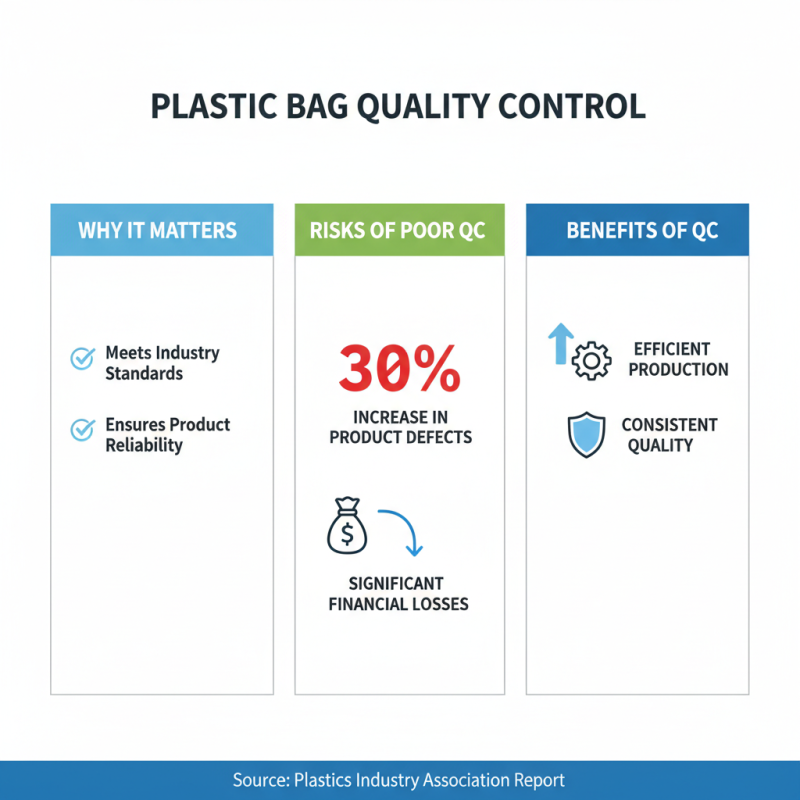
Recycling scrap material is a common practice in bag manufacturing. This reduces costs and minimizes waste. However, not all scrap can be reused easily. Quality control is vital to ensure that recycled materials do not compromise the final product. Manufacturers must balance efficiency with environmental responsibility, a challenge that requires ongoing evaluation and adjustment.
Sustainable Practices in Plastic Bag Manufacturing
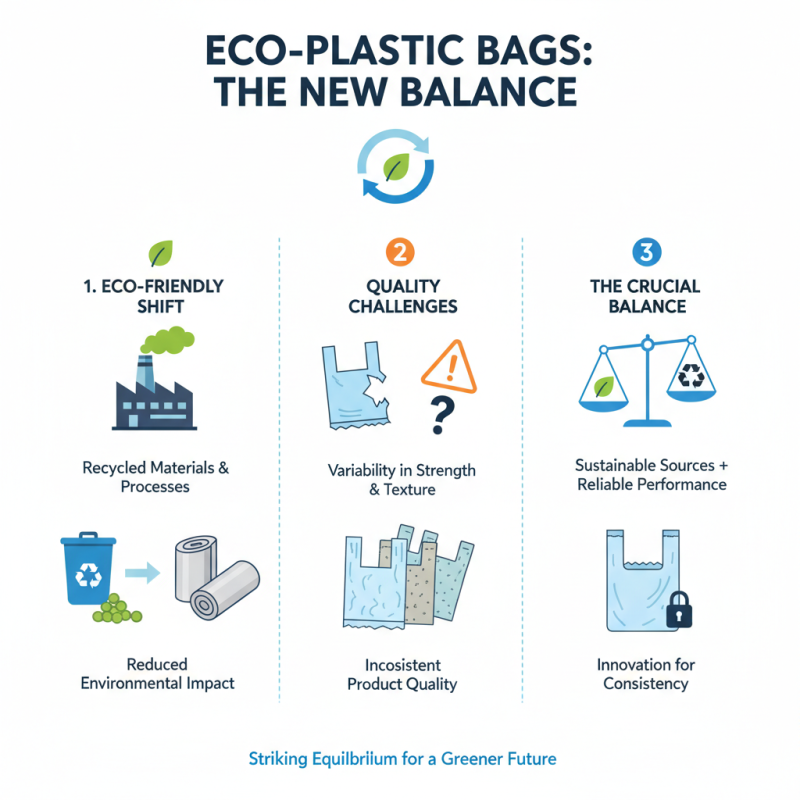
In recent years, the focus on sustainability has transformed plastic bag manufacturing. Many factories now integrate eco-friendly practices into their production lines. Using recycled materials minimizes environmental impact. However, the reliance on these materials can sometimes lead to variability in product quality. Striking a balance is crucial.
Another area for improvement is energy consumption. Factories are exploring renewable sources, like solar power, to lower their carbon footprint. Despite progress, the transition can be slow due to costs and infrastructure. Some manufacturers still depend on traditional energy sources. This inconsistency highlights the need for a collective effort towards greener alternatives.
Water usage is another concern in production. Efficient water recycling systems are not yet universal. Many plants still waste water, despite knowing its importance. Investing in advanced filtration and reuse technologies could significantly reduce this issue. However, the initial financial barriers often hinder widespread adoption. The path to truly sustainable practices requires persistent reflection and dedication.