10 Essential Tips for Choosing the Best Garbage Totes for Your Needs?
Choosing the right Garbage Totes is crucial for effective waste management. According to a recent industry report by Waste Management Practices, improper waste containment can result in a 40% increase in litter and pollution. "Selecting the right garbage tote can significantly simplify your disposal process," says Dr. Emily Carter, a waste management expert specializing in eco-friendly solutions.
Many options are available, making selection challenging. Garbage Totes come in various sizes, materials, and features. Understanding your specific needs is essential. The wrong choice could lead to overflows or unpleasant odors, making it a frustrating experience.
Moreover, consider functionality and ease of use. A poorly designed tote can become a burden instead of a help. Investing in high-quality Garbage Totes may seem more expensive initially, but it pays off in durability and efficiency. Reflecting on these factors can guide you toward making an informed decision. Keep these tips in mind as you assess your garbage tote options.

Understanding Your Waste Management Needs
When choosing garbage totes, understanding your waste management needs is crucial. Not all totes are created equal. Each household generates different types of waste. According to the Environmental Protection Agency (EPA), about 292.4 million tons of trash were generated in the U.S. in 2018. This number reflects the diverse waste streams we must manage.
Consider the types of waste you produce. If you generate a lot of organic material, opt for a tote that can handle food scraps. On the other hand, if you have a significant amount of recyclables, choose a tote designed for that purpose. The National Recycling Coalition reports that about 35% of waste is recyclable. Yet, many people still do not separate it properly. This means you may need to rethink your practices.
Size also matters. A family of five may require a larger tote than a single person. Yet, many underestimate their needs, leading to overflow. A study showed that improper waste management can lead to increased landfill use by 10%. This is something to reflect upon. Investing in the right garbage tote can minimize waste and make a significant impact.
10 Essential Tips for Choosing the Best Garbage Totes for Your Needs
| Tip Number |
Tip Description |
Material Considerations |
Size Recommendations |
Weight Capacity |
| 1 |
Assess your waste types |
Plastic, Metal, Compostable |
Small, Medium, Large |
Up to 50 lbs |
| 2 |
Consider delivery options |
Durable, Reusable |
Avoid too large in tight spaces |
Up to 100 lbs |
| 3 |
Evaluate handle types |
Comfortable grip, Ergonomic |
Easily maneuverable sizes |
Varies with tote type |
| 4 |
Think about aesthetics |
Color choice, Design |
Matching yard style |
Check for stability |
| 5 |
Check local regulations |
Recycling compliance |
Size limits per locality |
Urban vs Rural sizes |
| 6 |
Research durability |
Material strength, Weather resistance |
Heavy-duty options available |
100+ lbs for heavy loads |
| 7 |
Analyze cost vs quality |
Budget-friendly options |
Size shouldn't overspend |
Long-term investments |
| 8 |
Look for user reviews |
Consumer feedback essential |
Real-life size experiences |
Expectations vs reality |
| 9 |
Plan for storage space |
Space-saving designs |
Consider collapsible options |
Storage solutions vary |
| 10 |
Look for additional features |
Built-in compartments, Latches |
Multi-function sizes |
Enhanced weight capability |
Types of Garbage Totes Available on the Market
When choosing garbage totes, it’s important to consider the types available. Common options include wheeled totes, which make transport easier. They’re particularly useful for households with larger waste volumes. Keep in mind that while these totes are convenient, they can be bulky. Space constraints in apartments can make them tricky to store.
There are also stationary bins designed for specific waste types. For instance, yard waste bins often have extra ventilation. This feature helps reduce odor and decomposition problems. However, their size can be a challenge in tight spaces. Composting totes, on the other hand, promote sustainability. They encourage organic waste disposal but may require maintenance and regular emptying.
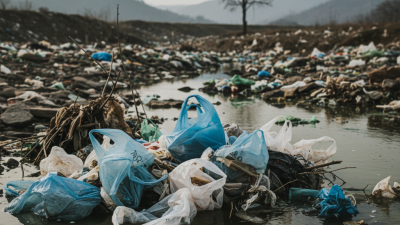
Let’s not forget about the simple yet effective bags. They come in various sizes and materials. While not as sturdy, they can be a flexible option. Yet, remember that frequent use can lead to environmental concerns. Reflecting on waste management practices is essential. Choosing the right type of garbage tote can influence your experience. It’s about finding a balance that fits your lifestyle and space.
Factors to Consider When Choosing a Garbage Tote
When selecting a garbage tote, several key factors must be considered. Size is crucial. A tote too small will overflow quickly. On the other hand, an oversized tote might take up unnecessary space. According to industry reports, residential waste generation has increased by 30% in the last decade. This rise impacts how families choose the right size for their needs.
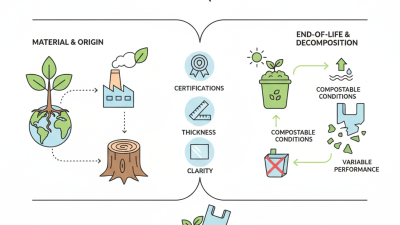
Material plays a significant role as well. Most totes are made from plastic, but the thickness and durability vary. A study found that thicker materials can reduce wear and tear by 25%. This can lead to a longer lifespan for your tote. However, not all thicker options are easy to handle. Weight is important; a heavy tote can be a hassle when full.
Consider features like lids and wheels. Lids can help contain odors, while wheels improve mobility. However, they can also complicate the design and cleaning process. According to recent market analysis, 45% of users expressed frustrations with cleaning wheel components. There are trade-offs to consider. Choosing the right garbage tote involves understanding your unique needs and potential challenges.
Top 5 Factors to Consider When Choosing a Garbage Tote
Evaluating Size and Capacity Requirements for Your Space
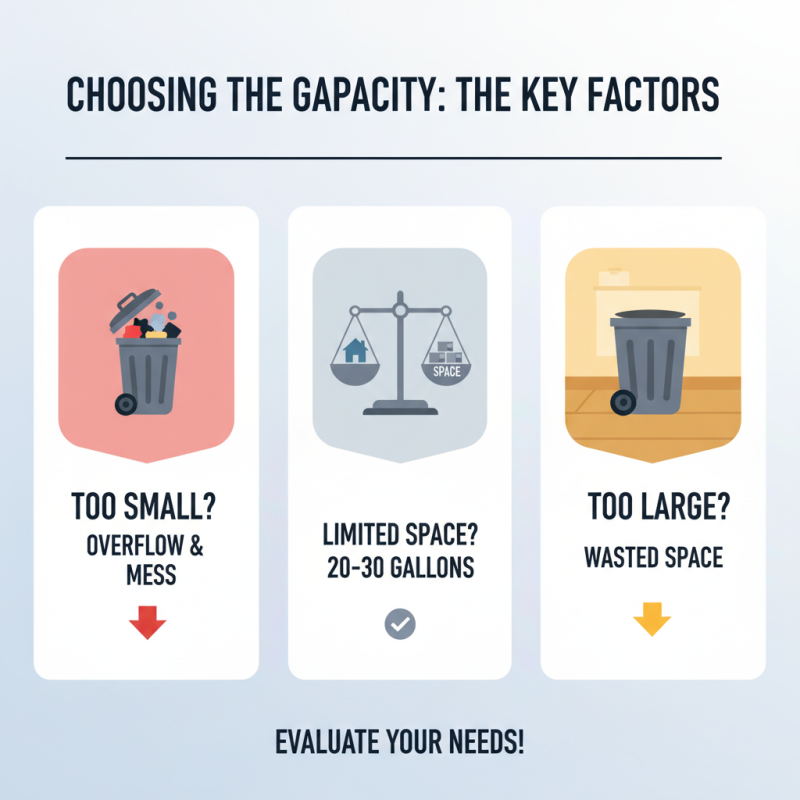
Choosing the right garbage tote mainly hinges on evaluating size and capacity. A garbage tote that is too small will lead to overflow issues. Conversely, an excessively large tote can take up unnecessary space. Industry reports suggest that homes with limited space benefit from totes ranging between 20 to 30 gallons.
Consider your waste production patterns, too. A family's waste output can vary significantly. According to the Environmental Protection Agency (EPA), the average person generates about 4.9 pounds of waste per day. This figure can help you determine the appropriate tote size. If your family often hosts gatherings, you might need a larger capacity, perhaps around 40 gallons.
Yet, not all tote designs are equal. Some may claim to hold the same capacity but differ in internal space due to design elements. This can lead to overestimation of necessary size. Reflect on this: are you truly maximizing your space? It's crucial to align your tote choice with your actual needs. The perfect fit can improve your waste management efficiency and make your living space less cluttered.
Material Durability and Maintenance of Garbage Totes
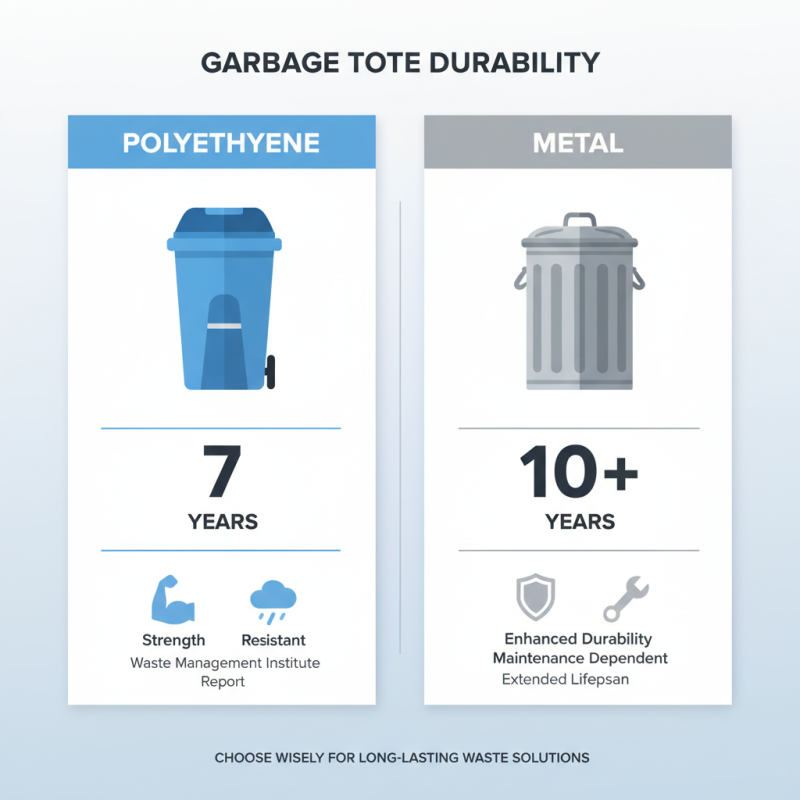
When selecting garbage totes, material durability is a critical factor. Different materials offer varying levels of resilience. For example, polyethylene is known for its strength and weather resistance. A report by the Waste Management Institute indicates that polyethylene totes last up to seven years with proper care. On the other hand, metal garbage totes can provide enhanced durability, with a lifespan exceeding ten years, depending on maintenance practices.
Maintenance is equally important. Regular cleaning can prevent odors and prolong the life of your tote. The same industry report found that poorly maintained totes degrade much faster. Many users overlook how simple actions, like removing residual waste, can make a difference. Choosing the right tote material can also reduce maintenance needs. While some may prefer the aesthetic of metal, they often require more upkeep and care than plastic alternatives.
Reflecting on your personal needs is essential. Consider how often you dispose of waste and the climate in your area. If you live in a humid environment, for example, choose materials resistant to mold and rust. Oversights in selection can lead to increased costs over time, both in replacements and additional maintenance efforts.