10 Essential Tips for Reducing Plastic Bags Impact?
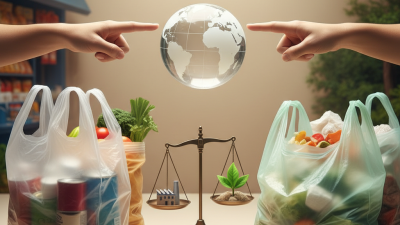
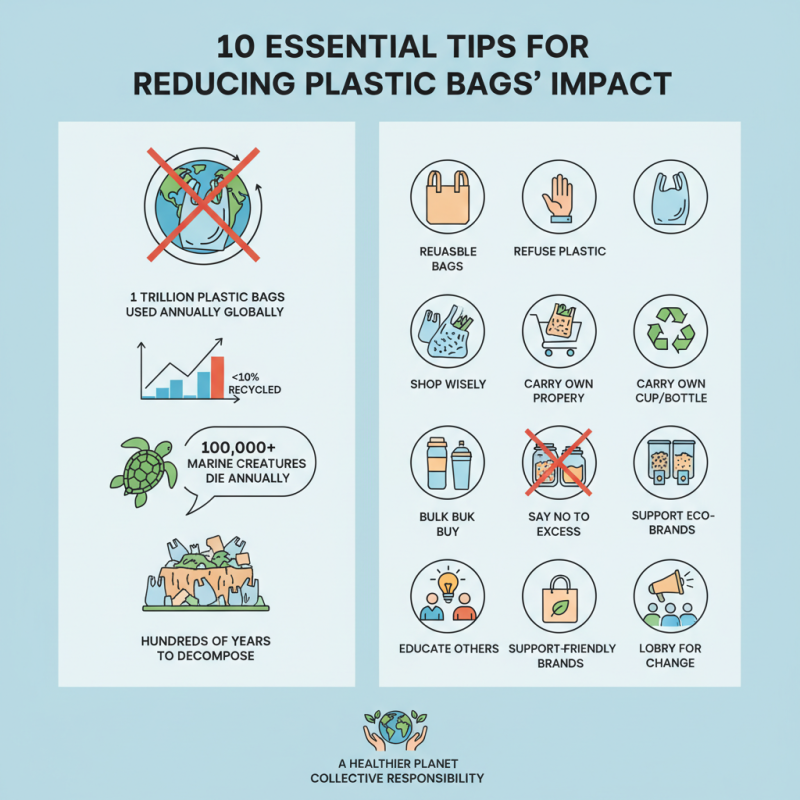
Plastic bags, a common convenience item, significantly harm our environment. According to a report by the World Economic Forum, approximately one trillion plastic bags are used each year globally. Sadly, less than 10% of these bags are recycled. The impact on marine life and ecosystems is devastating. Studies indicate that over 100,000 marine creatures die annually due to plastic bag pollution.
Reducing the use of plastic bags is essential for a healthier planet. Many consumers overlook the extensive lifecycle of these bags. They contribute to landfill overflow and soil contamination. Plastic bags take hundreds of years to decompose, leading to long-term environmental issues. Transitioning to reusable alternatives is often met with resistance, but it’s a necessary change.
Awareness is growing, but progress is slow. Companies and individuals must collaborate to reduce plastic bag consumption. Educating the public about the repercussions of plastic bags is crucial. Every small step taken can lead to a significant impact. Reflecting on our habits can foster a collective responsibility towards sustainability.
Understanding the Environmental Impact of Plastic Bags
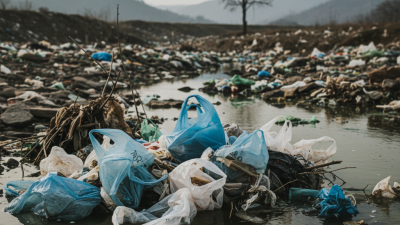
Plastic bags have a significant environmental impact. Each year, millions of tons of plastic waste end up in our oceans. According to a report by the Ocean Conservancy, plastic bags contribute to over 10% of ocean debris. This debris harms marine life and ecosystems. Sea turtles and seabirds often mistake plastic for food. This leads to injury or death.
Tips for reducing plastic bag usage can make a difference.
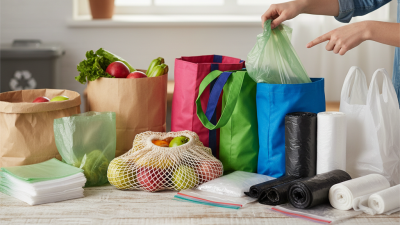
Carry a reusable bag when shopping. Many stores offer incentives for bringing your own bags. Avoid single-use plastic wherever possible. Even small changes help reduce the plastic footprint. Consider alternatives, like cloth or jute bags. These options are often more durable.
In addition, awareness is key. Education on the consequences of plastic waste should be widespread. Most people are unaware of the full impact. A study by the United Nations states that only 9% of plastic is recycled. Understanding these facts can inspire change. It's crucial to reflect on daily habits. A collective effort is necessary for a sustainable future.
Identifying Alternatives to Plastic Bags for Everyday Use
Plastic bags are everywhere. Their convenience makes them tempting, but their impact is significant. Finding alternatives can help reduce this problem.
Consider using reusable cloth bags. They come in various sizes and can carry more. A sturdy bag can replace several plastic bags. Remember to keep one in your car or by the door. This small habit can push you toward better choices.
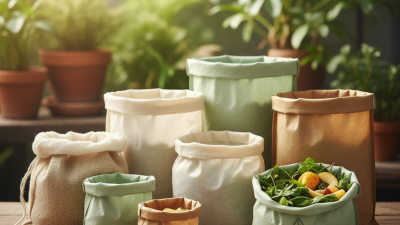
Another option is biodegradable bags. Made from materials that break down, they are a better choice than traditional plastic. They won’t linger in landfills for years. However, not all biodegradable bags are equal. Research is key.
Think about alternatives during shopping. Bring containers for bulk items. Use glass jars for liquids. This not only reduces plastic but also looks appealing. Remember, every small change adds up. Evaluate your habits regularly.
10 Essential Tips for Reducing Plastic Bags Impact
This bar chart displays alternative materials to plastic bags and their estimated usage frequency among consumers. The data reflects the growing trend of adopting eco-friendly options in daily life.
Implementing Strategies for Reducing Plastic Bag Consumption
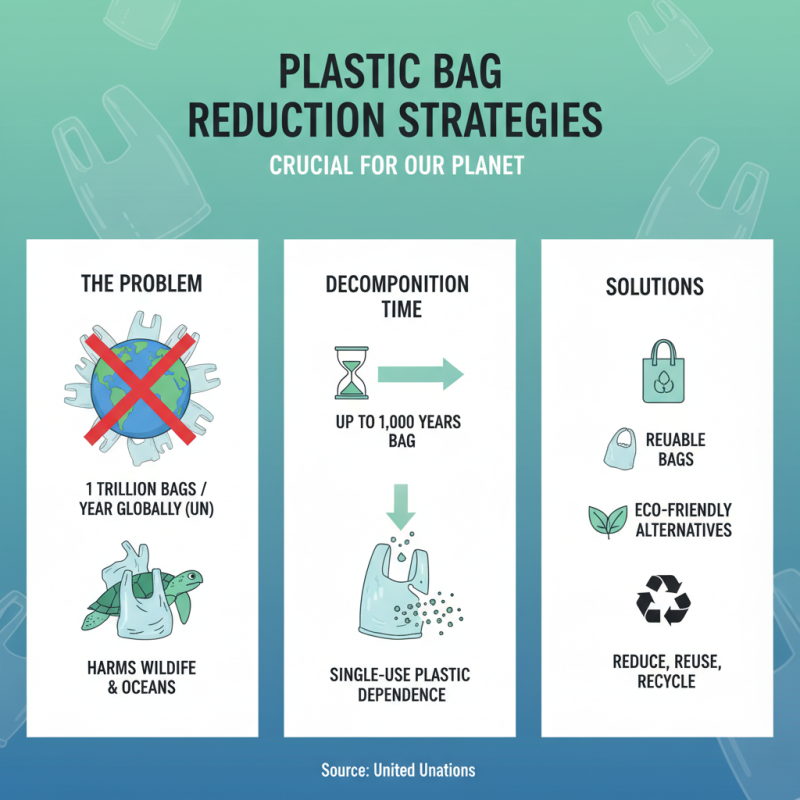
Implementing strategies to reduce plastic bag consumption is crucial for our environment. According to the United Nations, around 1 trillion plastic bags are used each year globally. This staggering number highlights our dependence on single-use plastics. Many people don’t realize that a single plastic bag can take up to 1,000 years to decompose. This impacts wildlife and pollutes our oceans.
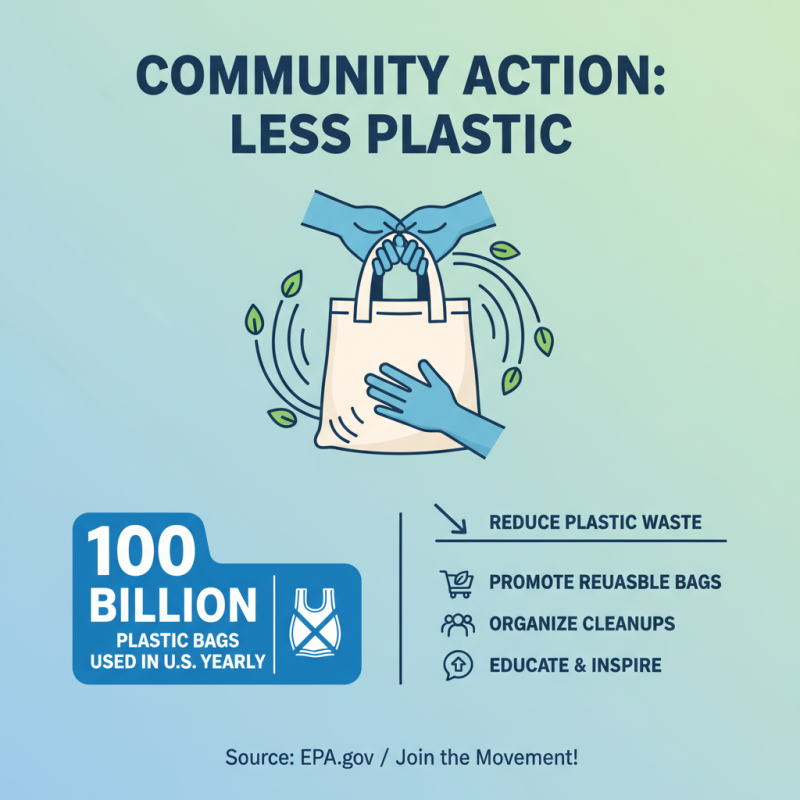
One effective strategy is to promote reusable bags. A study by the Environmental Protection Agency found that if one person switches to a reusable bag, it significantly cuts down plastic waste. Communities can hold workshops to educate residents about the benefits of reusable alternatives. Yet, despite these initiatives, not everyone is inclined to change their habits. Many still reach for plastic bags due to convenience. This highlights the need for continuous public awareness.
Additionally, local governments can implement policies to discourage plastic bag usage. For instance, charging fees for plastic bags has proven successful in numerous areas. However, some opponents argue these measures disproportionately affect low-income families. The challenge is finding a balance between reducing waste and supporting all community members. There’s no simple solution, but persistent efforts and critical discussions are essential for a sustainable future.
Promoting Sustainable Practices in Retail and Grocery Stores
In recent years, retail and grocery stores have begun to shift their practices. Many are now focusing on
reducing plastic bag usage. This change is essential for promoting
sustainable habits, but it is not without challenges. Training staff
to encourage customers to bring reusable bags is one way to address this issue.
Some stores have implemented bag-free days. Customers can feel the impact of
leaving plastic at home. However, the reality is that not everyone remembers. Retailers could provide
incentives for customers who bring their own bags, creating a
win-win situation. Simple signage can remind shoppers about the benefits of reducing plastic waste.
Yet, there are still hurdles. Not all customers understand the urgency. Education becomes crucial.
Workshops or informational pamphlets could bridge this gap. Retailers should actively engage with the community. The goal
is to foster a culture that values sustainability. Becoming a part of this movement requires effort from everyone. Changes
won’t happen overnight, but each step matters.