PE Plastic Wrap Tips for Safe Food Storage and Use?
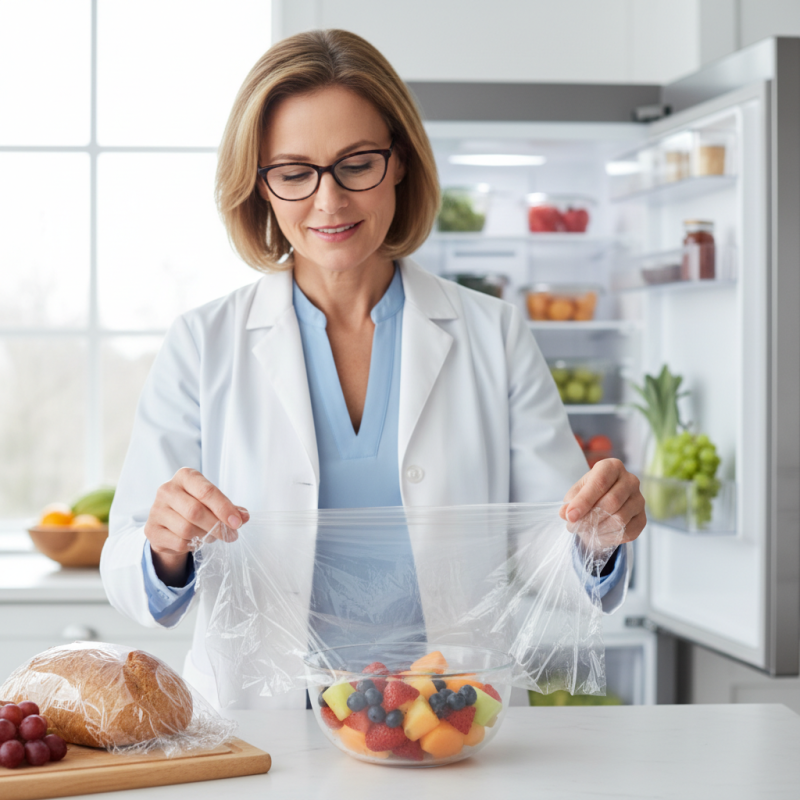
In the realm of food storage, PE Plastic Wrap plays a pivotal role. As an expert in food safety, Dr. Emily Carter emphasizes, “Proper use of plastic wrap can extend food freshness dramatically.” Her insight reflects the importance of understanding how to use PE Plastic Wrap effectively.
When using PE Plastic Wrap, it’s essential to ensure the wrap adheres well. This combats air exposure, which can lead to spoilage. Many overlook this aspect, leading to wasted food and resources. Wrapping must be tight yet gentle on delicate items like bread or soft fruits.
Additionally, storage temperature matters greatly. Placing wrapped items in the fridge helps maintain their quality. However, improper storage can diminish the benefits of using PE Plastic Wrap. Therefore, consumers should reflect on their current practices. Are you maximizing the effectiveness of your food storage methods? Consider adjusting your approach to enjoy fresher, safer food.
Understanding PE Plastic Wrap: Composition and Safety Standards
PE plastic wrap is made from polyethylene, a common thermoplastic. This material is known for its flexibility and strength. According to data from the American Chemistry Council, polyethylene constitutes over 30% of all plastic consumption in food packaging. It meets safety standards set by the FDA for direct food contact, making it a popular choice for food storage.
When using PE plastic wrap, proper techniques are essential. Ensure the wrap securely seals to reduce exposure to air. This minimizes moisture loss and keeps food fresh longer. Consider cutting a piece that covers the entire bowl or dish. Press it down tightly to eliminate air pockets that may spoil the food.
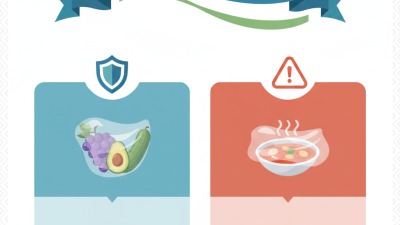
Even with its safety standards, some consumers question its long-term effects. The absence of BPA in most PE films is a plus. However, concerns about chemical leaching under extreme heat persist. It's wise to avoid applying PE wrap directly to hot foods. Instead, let them cool first, reducing potential safety risks. Remember, awareness of storage techniques is key to extending the life of your food.
Best Practices for Storing Food with PE Plastic Wrap
When it comes to using PE plastic wrap for food storage, it’s essential to follow best practices to ensure safety and freshness. One effective method is to press the wrap firmly against the food surface. This minimizes air exposure, which can lead to spoilage. Additionally, consider using enough wrap to cover the food completely. Overlapping edges can create better seals, even if it looks a bit messier.
Be mindful of how you store food once wrapped. For instance, place wrapped items on the middle shelf of the refrigerator. This part maintains a consistent temperature. If you forget to check your food regularly, it might go bad faster. It’s also worth noting that while the plastic can help keep food fresh, it doesn’t make items last indefinitely.
Always check the expiration dates of food. If you're unsure about an item, it’s best to err on the side of caution. When reusing plastic wrap, inspect it for tears or active contaminants. This can be a common oversight. Cleaning your surfaces and hands before handling the wrap can help prevent cross-contamination. Proper storage habits will make your food lives easier, but they require attention to detail.
Avoiding Common Mistakes in Using Plastic Wrap for Food Safety
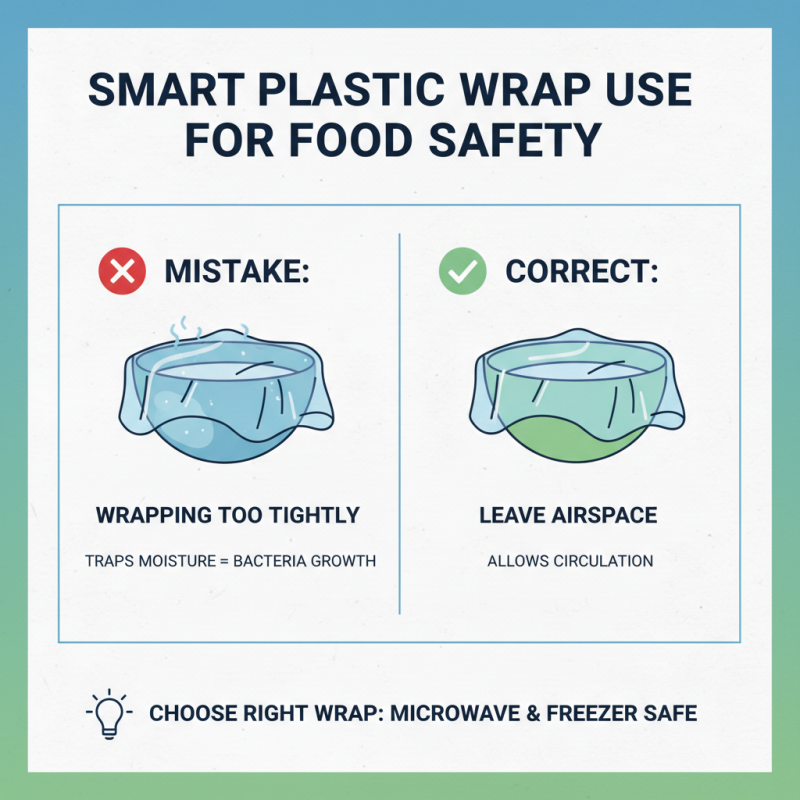
Using plastic wrap seems simple, but many make mistakes that compromise food safety. One common error is wrapping food too tightly. This can lead to trapped moisture, creating an ideal environment for bacteria. Instead, leave some space for air circulation. Remember, not all plastic wraps are created equal. Some are designed for specific tasks, like microwave use or freezing.
Another frequent mistake involves not properly sealing edges. Air can seep in, exposing food to contaminants. It’s crucial to press the wrap firmly against surfaces and ensure there are no gaps. Also, don’t forget to wash your hands before handling food or wraps. Small steps matter, and neglecting them can lead to foodborne illnesses.
Always check the expiration date on your plastic wrap. Using expired products can diminish effectiveness. This is often overlooked. Lastly, reusing plastic wrap isn’t advisable, even if it looks fine. Bacteria may linger on the surface. Consider these tips next time you wrap up meals. Perfect food safety requires attention to small details.
Tips for Recycling and Disposing of PE Plastic Wrap Properly
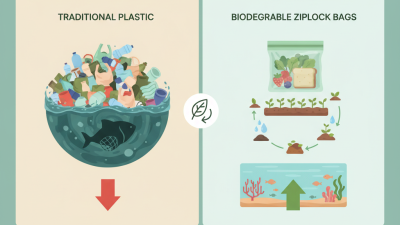
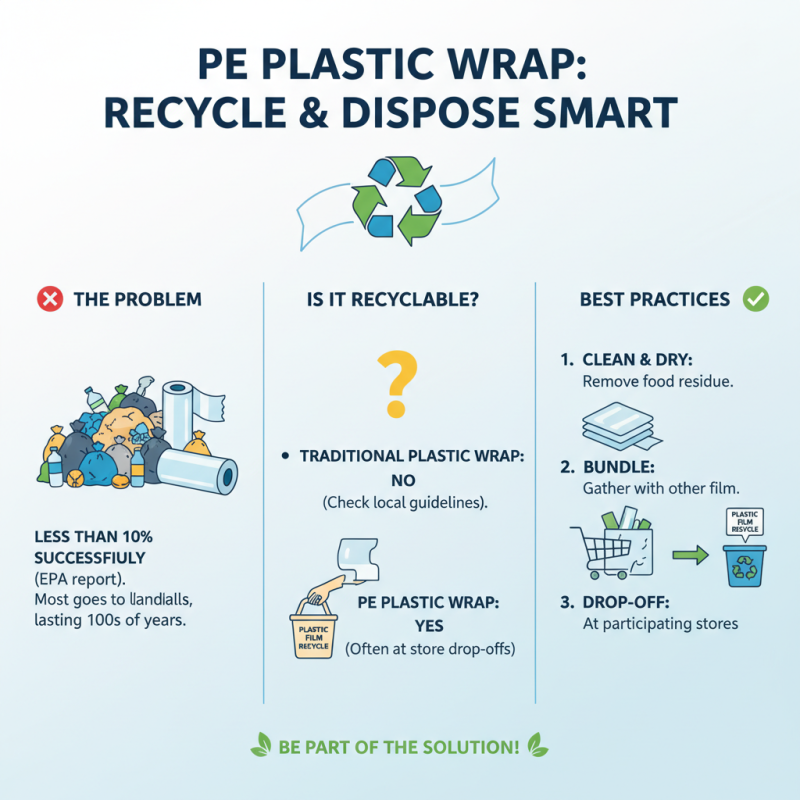
When using PE plastic wrap for food storage, proper recycling and disposal are crucial. Many consumers are unaware that traditional plastic wrap is not widely recyclable. A report from the Environmental Protection Agency states that less than 10% of plastic products are recycled successfully. This creates significant waste in landfills, which can last for hundreds of years.
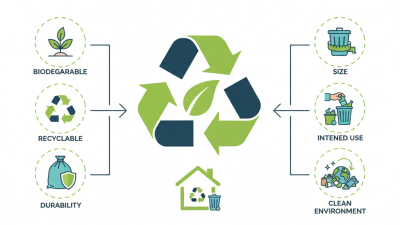
To minimize environmental impact, follow these tips. After use, clean the plastic wrap to remove food residues. This helps prevent contamination in recycling streams. Check local recycling guidelines, as some areas may accept clean plastic wrap. If recycling is not an option, consider reusing the wrap for non-food purposes. It can serve as a protective layer for items you want to store.
While it's easy to overlook plastic waste, small changes can make a big difference. Educate yourself about drop-off locations for specialized plastic recycling. Keep in mind that every little action counts toward reducing the burden on our planet. With so much plastic overwhelming our ecosystems, responsible disposal is essential.
Alternatives to PE Plastic Wrap for Eco-Friendly Food Storage
Many people rely on PE plastic wrap for food storage. However, it raises environmental concerns. Transitioning to eco-friendly alternatives can make a difference.
Beeswax wraps are a popular choice. They are reusable and biodegradable. Made from cotton fabric infused with beeswax, they keep food fresh. However, they may not be suitable for all foods. Direct contact with raw meats or strong odors is an issue.
Silicone food covers are another option. They come in various sizes and create an airtight seal. They're durable and easy to clean. Yet, some people find them bulky in storage. Lastly, glass or stainless steel containers can replace plastic wrap. They keep food safe but require more space. Each option has its pros and cons. Making the right choice often requires trial and error.