What is a Plastic Baggie and How is it Used Globally?
Plastic baggies are ubiquitous in today's world, serving a wide range of functions across various sectors. According to a report from Market Research Future, the global plastic bag market is projected to reach 4.6 billion units by 2025, indicating a growing dependence on plastic baggies in everyday life. From food storage to organizing small items, plastic baggies offer convenience and versatility.
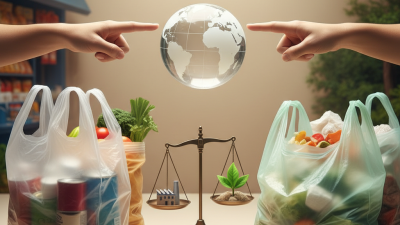
Nonetheless, the environmental impact of plastic baggies cannot be ignored. A study published in Environmental Science & Technology estimates that around 8 million tons of plastic waste enter the oceans each year. This raises questions about the sustainability of their widespread use. As consumers and industries strive for greener alternatives, it’s crucial to assess the implications of plastic baggies in various contexts.
The evolution of plastic baggies in different cultures shows their adaptability. In some regions, they are a staple for packaging goods in markets. In others, they are a necessary tool for travelers and outdoor enthusiasts. Understanding the global usage of plastic baggies encourages a deeper conversation about our choices and their broader consequences.
Definition and Characteristics of Plastic Baggies
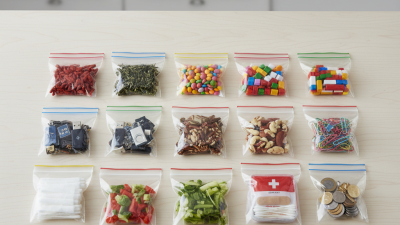
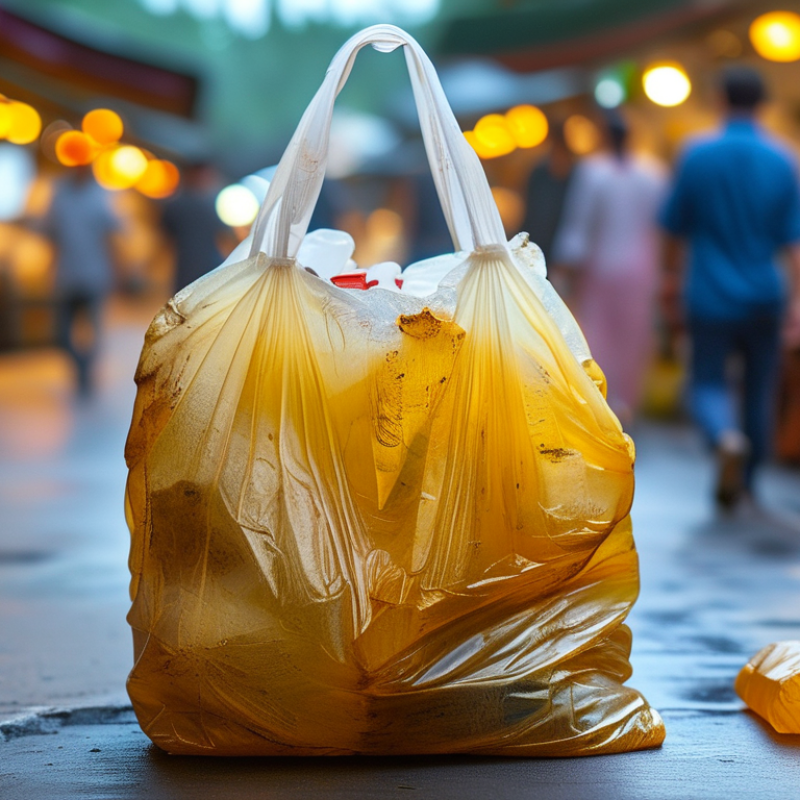
Plastic baggies are versatile storage solutions found in homes and industries worldwide. Made primarily from polyethylene, they are lightweight and flexible. Their design allows for various uses, from food storage to organization of small items. A report by the American Society of Plastic Engineers indicates that over 100 billion plastic bags are used annually in the United States alone. This staggering number reflects their global prevalence and utility.
When using plastic baggies, consider their impact on the environment. Although they are convenient, they contribute significantly to plastic waste. Research shows that only 9% of plastic waste is recycled effectively. This statistic raises concerns about sustainability and calls for better practices. Many users overlook the importance of responsible disposal or reuse.
Tips: To minimize waste, try using your baggies multiple times. Clean and dry them for reuse. Additionally, consider alternatives like reusable containers or biodegradable options for transport and storage. By making small changes, you can contribute positively to reducing plastic consumption.
Common Uses of Plastic Baggies Around the World
Plastic baggies are ubiquitous in daily life. They offer convenience in packaging and storing food. In many regions, they are a staple for carrying snacks, sandwiches, and other quick bites. For travelers, they neatly hold toiletries and small personal items. Their versatility seems endless.
Around the globe, these baggies serve various purposes. In some cultures, people use them for organizing small household items like screws or nails. Others find plastic baggies handy for crafting projects, providing an easy way to keep materials together. However, while they are practical, their environmental impact raises questions. Many plastic baggies are single-use, contributing to pollution.
People increasingly reflect on their reliance on such products. Communities are exploring better alternatives. Reusable containers and biodegradable options are gaining traction. This shift shows a growing awareness of sustainability and responsible usage. As we embrace convenience, we must also consider our planet's health.
What is a Plastic Baggie and How is it Used Globally? - Common Uses of Plastic Baggies Around the World
| Country |
Common Uses |
Material Type |
Environmental Impact |
| United States |
Food storage, organization, travel |
LDPE (Low-Density Polyethylene) |
Non-biodegradable, recycling challenges |
| Japan |
Bento box packaging, snack bags |
HDPE (High-Density Polyethylene) |
Environmental regulations in packaging |
| Germany |
Household storage, grocery shopping |
PE (Polyethylene) |
Promotion of reusable alternatives |
| India |
Food delivery, festival packaging |
PVC (Polyvinyl Chloride) |
Plastic pollution concern |
| Brazil |
Grocery bags, personal care products |
LDPE |
Legislation on single-use plastics |
Environmental Impact of Plastic Baggies
Plastic baggies are prevalent around the world. They are convenient for storing food, organizing items, and carrying small goods. However, their convenience comes at a cost. The environmental impact of these plastic products is significant. Millions of plastic baggies end up in landfills every year. They can take hundreds of years to decompose.
Marine life suffers from plastic pollution. Fish, turtles, and seabirds often ingest plastic. This leads to injury or death. The use of baggies contributes to this crisis. Many consumers may not realize how often they discard plastic. Awareness is growing, yet the habit persists.
Recycling options exist, but they are limited. Many recycling facilities do not accept plastic baggies. This creates a challenge for responsible disposal. Some communities are implementing bans on single-use plastics. This shift can inspire healthier habits. However, transitioning away from plastic baggies requires time and collective effort.
Global Plastic Baggie Usage and Environmental Impact
This chart illustrates the annual usage of plastic baggies across different regions of the world. The high usage, particularly in Asia, raises concerns over environmental impact, including pollution and waste management challenges.
Alternatives to Traditional Plastic Baggies
Plastic baggies are widely used for storing and organizing various items. However, their environmental impact has led many to seek alternatives. Several innovative options are emerging as more sustainable choices.
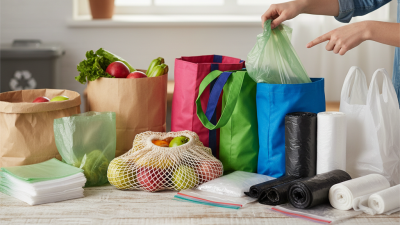
One popular alternative is reusable silicone bags. These are durable and can be used countless times. They are microwave and freezer safe, making them versatile for food storage. Another option is beeswax wraps. These wraps can cover food items and are compostable at the end of their life cycle. They reduce plastic waste while keeping food fresh.
Lastly, cloth bags are gaining popularity. They offer a simple solution for carrying snacks or sandwiches. However, they require regular washing to maintain hygiene. While these alternatives are encouraging, they also require a shift in consumer behavior. People must prioritize sustainability and make efforts to adopt these options in their daily lives.
Future Trends in the Usage of Plastic Baggies and Sustainability
Plastic baggies are ubiquitous in today's global markets. They serve various purposes, from food storage to organization. Yet, their environmental impact is significant. As we look forward, the trend towards sustainability is becoming crucial. Many jurisdictions are implementing stricter regulations on single-use plastics. This reflects a growing consciousness about our planet.
Innovations are emerging to address these concerns. Biodegradable alternatives are in development. These materials could reduce plastic pollution significantly. Additionally, companies are exploring reusable baggie designs. While these developments sound promising, they bring their own challenges. The public's willingness to adapt is still in question. Education about proper disposal and recycling methods is necessary.
Moreover, consumer habits are shifting. People are becoming more mindful of their purchases. The push for sustainability is reshaping product design. However, not everyone is on board with this transition. Some may resist changes due to convenience. It's essential to consider these varying perspectives as we progress. Balancing convenience with the environment will be pivotal in future strategies.