What is the Purpose of Food Bags in Food Storage and Preservation?
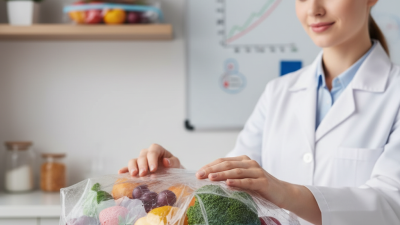
In the world of food storage, Food Bags play a crucial role. These bags help preserve freshness and prevent spoilage. According to Dr. Emily Fischer, a leading expert in food preservation, “Food Bags are essential for extending the shelf life of perishable items.” Her insights underline the importance of choosing the right storage solutions.
Food Bags come in various materials, and each serves a unique purpose. Some are designed for vacuum sealing, while others focus on preventing freezer burn. These options cater to different types of food, from fruits to meats. Yet, not all Food Bags guarantee safety. Consumers must remain vigilant against potential contaminants.
Despite their benefits, the effectiveness of Food Bags depends on proper usage. Improper sealing can lead to air exposure, compromising food quality. It’s vital to reflect on best practices and understand the limitations of these storage solutions. An informed choice can make a significant difference in food preservation efforts.
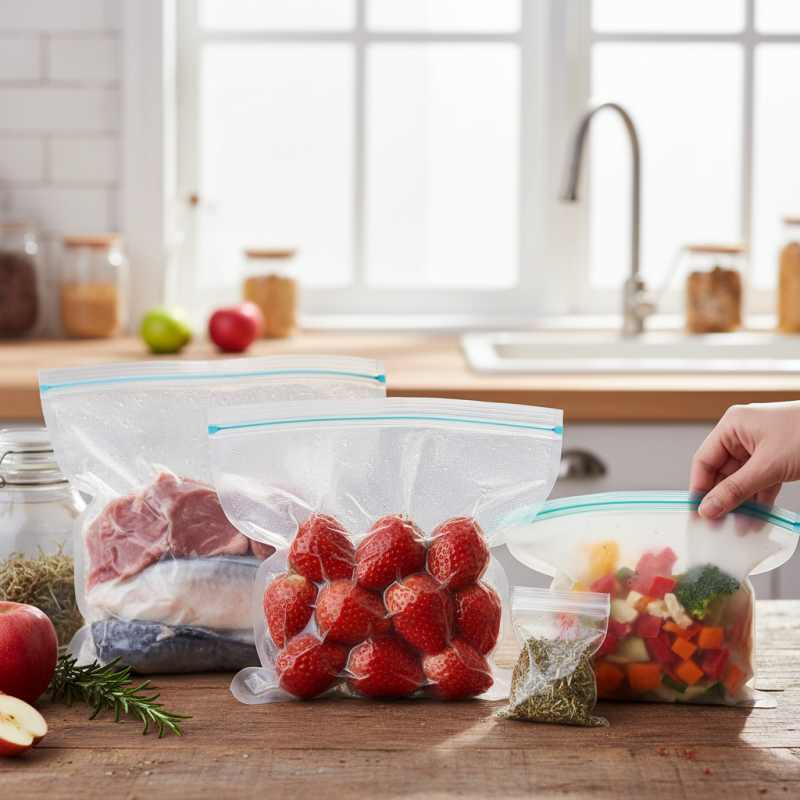
Types of Food Bags Used in Food Storage and Preservation
Food storage and preservation are essential for maintaining the freshness and quality of our meals. Food bags play a crucial role in this process. Various types of food bags cater to different storage needs.
Vacuum-sealed bags are popular for their ability to remove air and prevent freezer burn. They are great for meats and vegetables.
Resealable plastic bags are versatile and convenient for snacks and leftovers. They allow quick access while keeping food fresh.
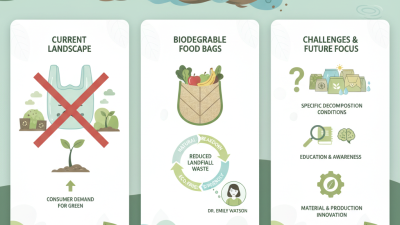
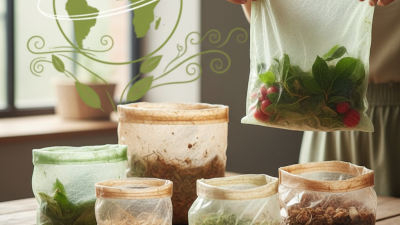
Another option is biodegradable bags. These are eco-friendly and break down naturally. They are suitable for fruits and vegetables, promoting sustainability in storage. However, one must consider the shelf life of these bags. Not all materials are created equal. Some bags may not be as durable for long-term storage. In contrast, heavy-duty freezer bags offer strength but may also carry concerns regarding plastic waste.
It’s essential to assess the purpose of each bag before using it. Sometimes, we may rely too heavily on convenience. It can lead to poor storage practices that compromise food quality. Being mindful of how we store food is important for both health and the environment. Different foods require different types of storage solutions. Understanding this can significantly improve our overall food preservation efforts.
Key Benefits of Using Food Bags for Food Preservation
Food preservation is crucial for maintaining the quality and safety of our meals. Food bags play a vital role in this process. They are designed to keep contaminants out, preventing spoilage and extending freshness. Using food bags can significantly reduce exposure to air, which is a common cause of food degradation.
Moreover, food bags are incredibly versatile. They come in various sizes and materials, catering to different types of food storage needs. Whether you are freezing leftovers or storing snacks, these bags offer a reliable solution. However, it's essential to use them correctly. Not all bags are suitable for every type of food. For instance, certain materials may not withstand freezer conditions, leading to leaks or freezer burn.
Despite their benefits, not everyone feels comfortable using food bags for long-term storage. Concerns over plastic materials persist, prompting reflection on sustainable options. It's vital to balance convenience with environmental impact. This awareness encourages consumers to explore reusable or biodegradable alternatives, fostering better practices in food storage.
What is the Purpose of Food Bags in Food Storage and Preservation? - Key Benefits of Using Food Bags for Food Preservation
| Dimension |
Description |
Benefits |
| Material |
Typically made of plastic or vacuum-sealed material |
Durability and flexibility for various food items |
| Airtight Seal |
Designed to prevent air from entering |
Prevents freezer burn and bacterial growth |
| Versatility |
Can be used for a variety of food types from meats to vegetables |
Convenience for different cooking needs |
| Storage Efficiency |
Designed to stack and fit easily in freezers and fridges |
Maximizes space usage |
| Portability |
Lightweight and easy to transport |
Ideal for meal prepping and on-the-go storage |
| Cost-effectiveness |
Inexpensive compared to other storage methods |
Affordable for everyday usage |
Techniques for Properly Using Food Bags in Storage
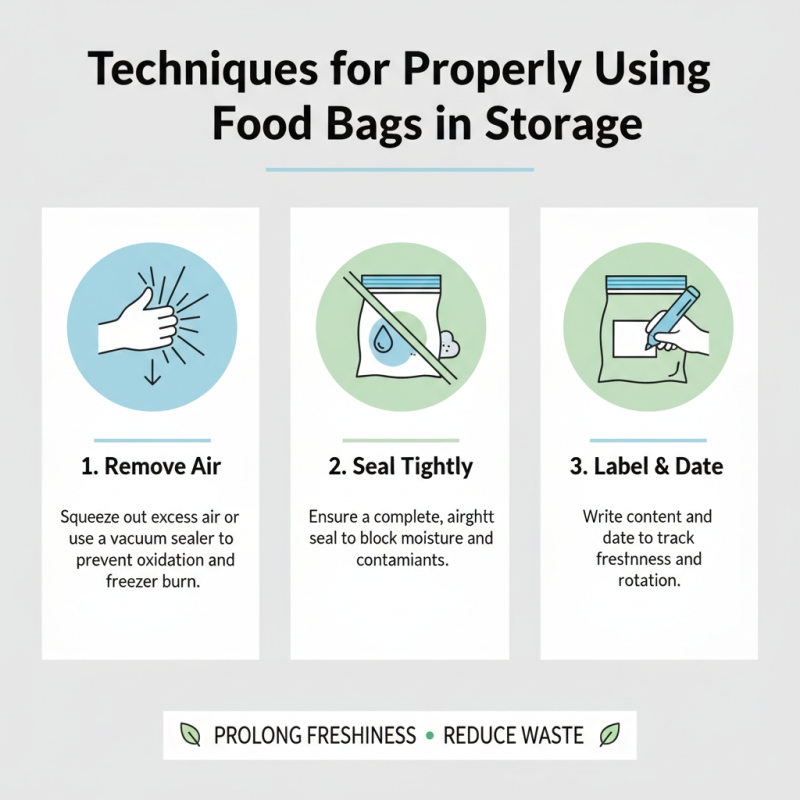
Properly using food bags can significantly enhance food storage and preservation. These bags provide a barrier against air, moisture, and contaminants. This can prolong the freshness and quality of your food items. Understanding how to use them correctly is essential.
When using food bags, first, ensure they are clean and dry. This minimizes the risk of spoilage. Get the air out of the bags when sealing them. This simple step can prevent freezer burn and maintain flavor. It’s also helpful to label each bag with the date to track freshness. Over time, you may find that certain items do not stay good as long as you expect. This requires adjusting your storage practices.
Tips: Store food bags upright. This helps avoid spills. Also, consider portioning food for smaller meals. This prevents waste and saves time during meal prep. Rethink how you use bags, as inefficient storage can lead to wasted food. Experimenting with different items can help you find the best techniques for your needs.
Environmental Impact of Food Bags in the Food Industry
The environmental impact of food bags in the food industry is significant. According to a 2021 report by the Ellen MacArthur Foundation, around 38% of plastic packaging is used for food. This statistic highlights the immense volume of plastic bags that contribute to pollution. Many food bags are not recyclable, ending up in landfills or oceans, where they take decades to decompose. A study revealed that plastic bags can block waterways and harm marine life, illustrating the urgent need for change.
Moreover, the lifecycle of these food bags is concerning. The production of plastic bags emits greenhouse gases. The World Economic Forum reported that, if unchecked, plastic waste could exceed fish populations in oceans by 2050. Consumers are increasingly aware and demand sustainable alternatives. A shift toward biodegradable or reusable bags could reduce reliance on plastics and mitigate environmental damage. However, the availability of such options remains limited. The food industry must innovate responsibly and prioritize sustainability to protect natural resources.
Best Practices for Recycling and Disposing of Food Bags
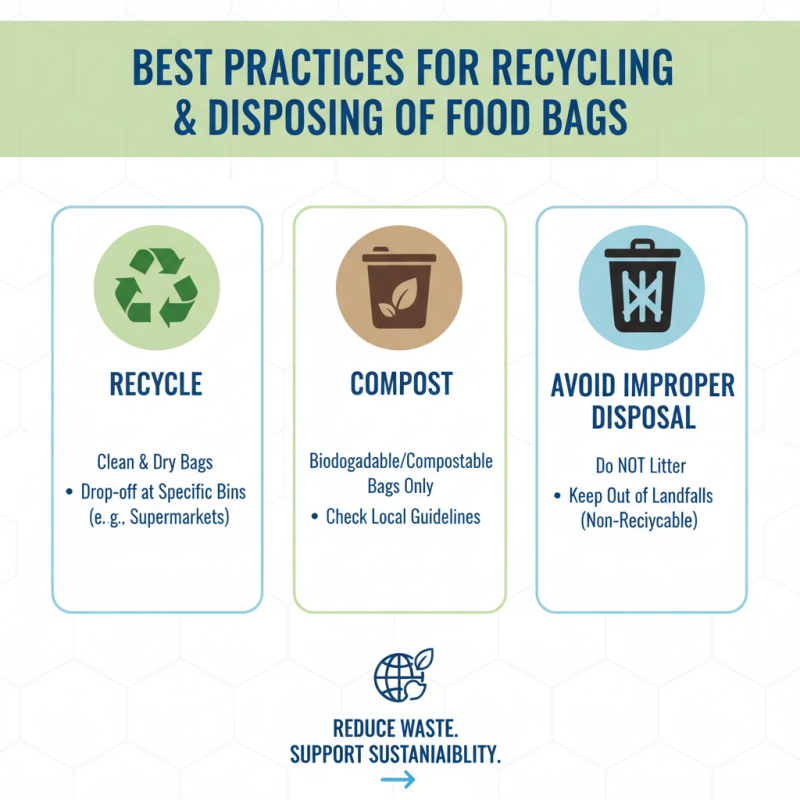
Food bags play a significant role in food storage and preservation. However, their disposal requires careful consideration. Many people are unaware of the environmental impact of improperly discarded food bags. Recycling and disposing of these bags correctly can help reduce waste and support sustainability.
When it comes to recycling, check local guidelines. Some food bags, like those made from specific plastics, can be recycled. Others may end up in landfills, contributing to pollution. Rinse out your food bags to remove residues. This small step encourages recyclers to accept them.
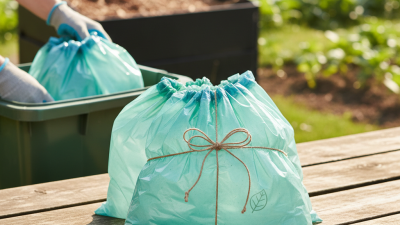
For those bags that cannot be recycled, consider creative reuse. Transform them into trash liners, or use them for organizing small items. Reflecting on our daily habits can lead to informed choices. It’s easy to overlook the impact of minor actions, yet they add up over time. Awareness is the first step toward responsibility in food bag disposal.