Top Shopping Bags Trends for 2026 What Buyers Need to Know
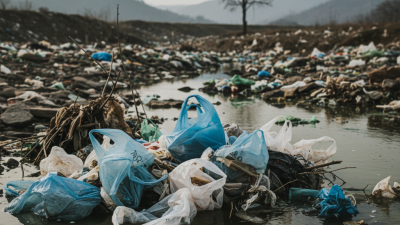
As we approach 2026, the landscape of the Shopping Bags industry is evolving rapidly. Insights from industry leaders, such as Dr. Emily Carter, a renowned expert in sustainable packaging, reveal critical trends that consumers and retailers must heed. Dr. Carter asserts, "Sustainable materials will dominate the shopping bags market, reflecting the growing eco-consciousness among buyers."
Recent reports indicate that online shopping continues to surge, with a projected 24% growth in e-commerce. This shift significantly impacts the demand for Shopping Bags. Recycling practices are crucial. The Global Recycling Foundation states that only 13% of plastic packaging is recycled, emphasizing the need for innovative solutions.
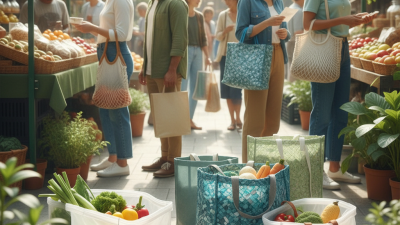
As consumers prioritize sustainability, businesses must adapt. The market now sees a rising preference for biodegradable and reusable bags. Yet, challenges remain. Many companies struggle to balance cost and environmental responsibility. Keeping pace with these changes will define success in the Shopping Bags industry. These insights should guide stakeholders in making informed decisions as they prepare for the future.
Emerging Eco-Friendly Materials in Shopping Bags for 2026
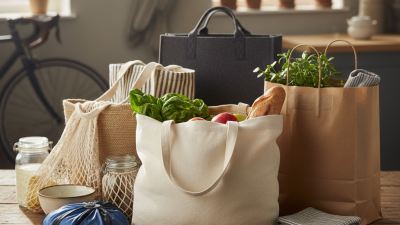
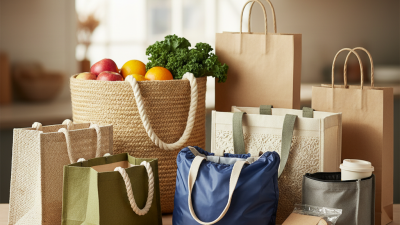
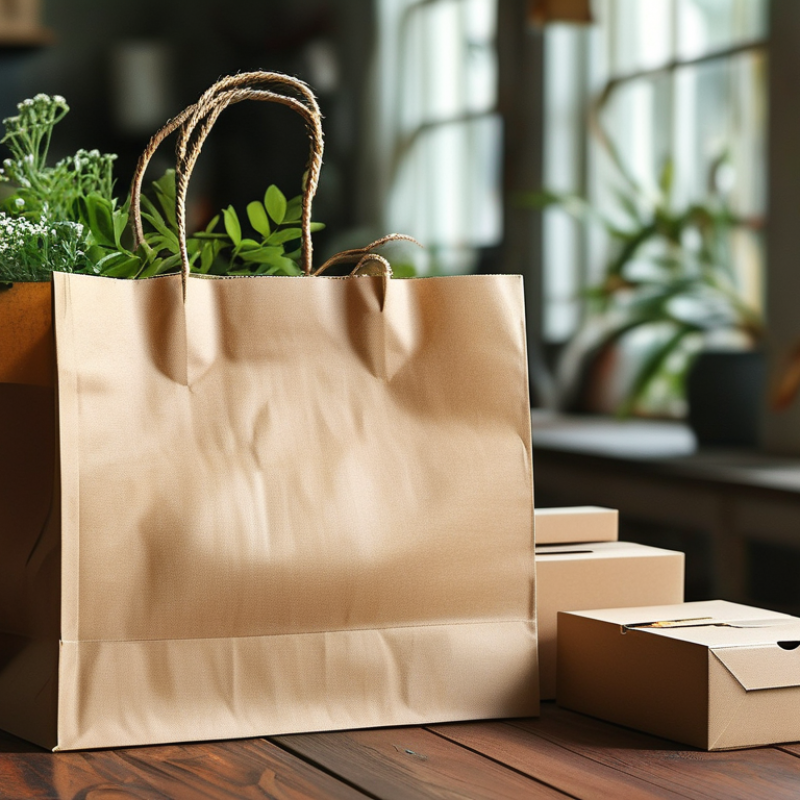
As we move toward 2026, the demand for eco-friendly shopping bags is rising. Buyers are becoming more environmentally conscious. This trend drives innovations in materials used for bags. The focus is on sustainable options that reduce plastic waste.
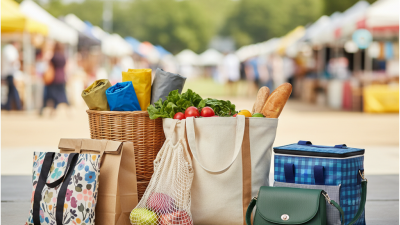
Biodegradable materials are gaining popularity. Plastics derived from cornstarch are a notable example. These bags break down naturally and minimize environmental impact. Recycled fibers, such as those from post-consumer waste, are also trending. They offer durability while promoting a circular economy.
Shopping bags made from mushrooms and hemp represent a shift in design. Such materials come with unique textures and styles. They challenge traditional plastics and attract eco-conscious consumers. However, these products may not yet meet all consumer expectations. Some buyers might question their durability and availability. Addressing these concerns will be crucial for future success.
Innovative Design Trends Shaping the Future of Shopping Bags
Innovative design trends are transforming shopping bags in 2026. A recent industry report showed that the demand for sustainable materials will reach 70% by the end of 2025. Numerous consumers are shifting towards eco-friendly options. Biodegradable bags and recycled materials will dominate the market. This trend reflects consumers' growing awareness of environmental issues.
In addition, smart technology will revolutionize bag designs. For example, bags equipped with sensors could track inventory or help customers locate their items. This technology is projected to grow 30% annually. As shoppers become increasingly tech-savvy, they will seek multifunctional designs. However, integrating technology into bags presents usability challenges. Many consumers may find smart features complicated or unnecessary.
Additionally, aesthetic appeal remains crucial. Minimalist designs, bold colors, and customizable options are trending. Market research indicates that 40% of buyers prefer bags that stand out visually. However, striking the right balance between design and functionality can be difficult. Brands must pay attention to user experience while embracing creative innovation. Navigating these trends requires adaptability and foresight from manufacturers.
Top Shopping Bags Trends for 2026 - What Buyers Need to Know
| Trend |
Description |
Sustainability Focus |
Innovative Materials |
User Experience |
| Recyclable Designs |
Focus on creating bags made from materials that can be easily recycled. |
High |
Recycled plastics, biodegradable fibers. |
Lightweight and easy to carry. |
| Smart Features |
Integration of technology like RFID tracking or built-in scales. |
Medium |
Smart textiles, electronic components. |
Enhanced shopping experience. |
| Personalization |
Customization options allowing users to create their own designs. |
Low |
Durable synthetic materials. |
Unique and individual styles. |
| Foldable and Compact |
Bags that can be folded and stored easily, ideal for travel. |
High |
Lightweight nylon, eco-friendly materials. |
Convenient for on-the-go needs. |
| Artisan and Local Collaborations |
Bags made in collaboration with local artisans, showcasing unique art. |
Medium |
Natural fibers, hand-crafted materials. |
Culturally rich designs. |
Consumer Preferences Driving Change in Shopping Bag Styles
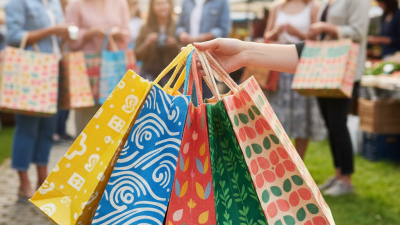
As we look ahead to 2026, consumer preferences are reshaping the shopping bag landscape. Today’s buyers prioritize versatility and sustainability. Eco-friendly materials are becoming standard. Shoppers seek bags that reflect their values. Bright colors and bold patterns are trending, but minimalism still holds strong appeal.
This shift emphasizes functionality. Many people are looking for bags that easily convert from day to night. Foldable designs that fit in pockets are gaining popularity. Yet, there’s an ongoing debate about whether style or practicality should dominate. Sometimes, the most fashionable can be the least functional. Consumers often find themselves torn between aesthetics and convenience.
Price also plays a crucial role in buying decisions. Shoppers want quality without breaking the bank. Production ethics are increasingly important, too. However, many products still fall short of these ideals. Brands that can balance cost and commitment to sustainability can stand out. The landscape is evolving, and understanding these dynamics is essential for manufacturers aiming to thrive.
Technological Advancements in Shopping Bag Production
The shopping bag industry is on the verge of radical transformation due to technological advancements. Innovative production methods now integrate sustainable materials. This shift aligns with the growing demand for eco-friendly products. Many bags are being made from recycled plastics and biodegradable materials. These options not only reduce waste but also appeal to environmentally conscious consumers.
However, technology also presents challenges. Automated manufacturing may eliminate jobs in traditional bag production. While efficiency increases, the human touch can be lost. Some companies are experimenting with 3D printing for unique designs. This approach allows for customization, but it raises production costs. There is a fine balance between technology and craftsmanship that needs careful consideration.
In addition, smart features are emerging in shopping bags. Imagine bags equipped with sensors to track purchases or monitor weight. These bags offer convenience but may raise privacy concerns. Consumers need to weigh the benefits against potential drawbacks. The evolution of shopping bags is complex, highlighting the intersection of innovation and ethics. It's crucial to stay informed about these trends to make responsible choices.
Sustainability Practices Influencing Shopping Bag Choices for Buyers
In 2026, sustainability is at the forefront of shopping bag trends. Consumers are more conscious of the materials they choose. This shift has led to a significant demand for eco-friendly options. Buyers are looking for bags made from recycled or biodegradable materials. These choices not only reduce waste but also impact the carbon footprint.
However, sustainability is not a straightforward concept. Some bags labeled "eco-friendly" still leave room for debate. Consumers must research and understand what these terms mean. Knowledge about manufacturing processes can help buyers make better choices. Critics argue that some companies exploit the green trend without making real changes. Buyers need to be vigilant and demand transparency.
Visual appeal also plays a role. People want bags that are not just sustainable but also stylish. Designs should reflect the buyer's lifestyle and values. Brands showing commitment to sustainability often have compelling stories. This narrative can influence purchasing decisions. Educating consumers on the subtleties of sustainability can empower them. Ultimately, creating a balance between aesthetics and ethics remains a challenge for buyers and brands alike.
Top Shopping Bags Trends for 2026
This chart depicts the projected popularity of various shopping bag trends for 2026, illustrating the increasing consumer preference for sustainability-focused options.