How to Source Eco-Friendly Plastic Bags for 2026?
As we look towards 2026, the demand for eco-friendly plastic bags is on the rise. Consumers are increasingly aware of their environmental impact. Businesses must adapt to this change. Eco-friendly plastic bags offer a sustainable option. They can reduce waste and improve your brand's image. However, sourcing these bags can be challenging. Companies often face confusion regarding materials and suppliers.
Understanding the options is crucial. Biodegradable, compostable, and recycled plastic are different categories. Each has unique properties and benefits. Not all bags labeled as "eco-friendly" live up to the claims. Therefore, it's important to conduct thorough research. Test product durability and environmental impact before making a decision.
Many suppliers offer eco-friendly alternatives, but reliability varies. Establishing partnerships with reputable manufacturers is key. This helps ensure quality and sustainability. It's also important to communicate with your customers about these choices. Transparency builds trust and supports a greener future. The journey to sourcing eco-friendly plastic bags requires commitment and reflection. Successful sourcing will benefit both the planet and your business.

Understanding the Basics of Eco-Friendly Plastic Bags
Eco-friendly plastic bags are more than just a trend. They are a sustainable alternative in a world heavily reliant on single-use plastics. These bags are often made from biodegradable materials or recycled plastic, reducing waste's overall environmental impact. Understanding the variety of eco-friendly options available can help consumers make informed choices.
When sourcing these bags, it is important to recognize what constitutes eco-friendly. Look for materials that are compostable or derived from renewable resources. Not all biodegradable bags are created equal. Some may break down only in industrial facilities, not in your backyard compost. Transparency from manufacturers is crucial. Brands should provide clear information on the materials they use and their environmental impact.
Choosing eco-friendly options does not stop at the bag itself. Consider the entire lifecycle. Evaluate the production processes, supply chain, and end-of-life disposal. Many companies fail to consider these factors. By asking the right questions, you can hold suppliers accountable. It’s not just about what you buy; it’s about what you support. In this ongoing journey, reflection on your consumption habits is key to creating more sustainable practices.
Identifying Sustainable Materials for Plastic Bags
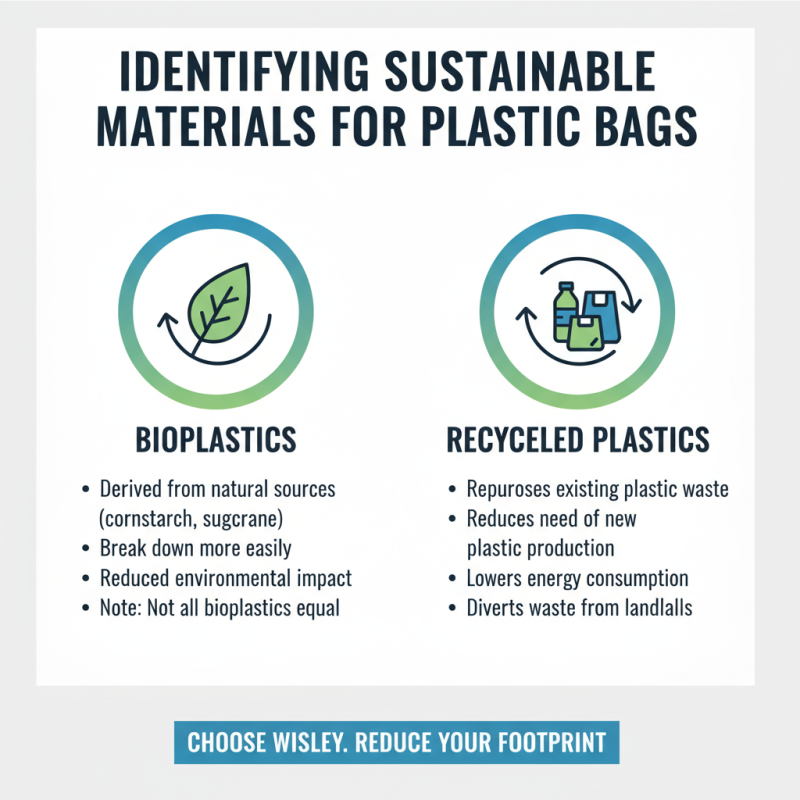
When sourcing eco-friendly plastic bags, identifying sustainable materials is crucial. Options like bioplastics and recycled materials can greatly reduce environmental impact. Bioplastics, derived from natural sources, break down more easily than traditional plastics. They are often made from cornstarch or sugarcane. This makes them more sustainable but not all bioplastics are created equal.
Recycled plastics represent another viable option. By reusing existing materials, we can significantly cut down on waste. These bags help close the loop in plastic production. However, sourcing high-quality recycled plastics can be challenging. The supply chain must be transparent to ensure that impurities are minimized. Some manufacturers may claim sustainability without proper validation.
Sourcing eco-friendly materials can also involve trade-offs. Costs may be higher for sustainable options. Additionally, performance and durability might not match conventional plastics. Consumers and businesses need to reflect on what sustainability means for them. It’s essential to balance eco-impact with practical needs. Engaging with suppliers who prioritize sustainability can lead to better choices in 2026 and beyond.
Evaluating Manufacturers and Suppliers of Eco-Friendly Options
As the demand for eco-friendly plastic bags grows, evaluating manufacturers and suppliers becomes crucial. Industry reports indicate that the market for biodegradable plastics is expected to reach USD 6.3 billion by 2026. This rapid growth presents an opportunity for businesses to align with eco-conscious consumers.
When sourcing eco-friendly options, consider certification and material sourcing. Many manufacturers adopt eco-labels, which demonstrate compliance with environmental standards. However, some labels can be misleading. A thorough evaluation of the manufacturer's sustainability claims is essential. Engaging directly with suppliers often uncovers deeper insights into their practices and approach to waste management.
Another challenge lies in pricing. Eco-friendly materials can be more expensive, leading to potential trade-offs in profit margins. Balancing cost with sustainability goals requires careful planning. Investigating alternative suppliers and exploring bulk purchasing options can alleviate some financial pressures. Evaluating past customer reviews and sustainability reports can guide your choice while ensuring you do not compromise on quality.
Assessing Environmental Impact and Compliance Standards
When sourcing eco-friendly plastic bags for 2026, understanding environmental impact is critical. The production processes of these bags should minimize energy consumption and waste. Look for materials that are recyclable or biodegradable. Research the lifecycle of the product. Consider its end-of-life options. This helps evaluate sustainability.
Compliance with environmental standards is non-negotiable. Many organizations set guidelines for manufacturers. These guidelines help ensure that products are safe for the environment. Familiarize yourself with the certifications that reflect compliance. However, not all products labeled as eco-friendly meet thorough testing. This requires diligent research to avoid greenwashing.
Engage with suppliers who prioritize transparency. Ask for documentation that shows environmental impact assessments. It’s easy to assume all eco-friendly products are equal. But differences do exist. Check for local regulations as well, which may influence the materials you choose. Remember, every choice plays a role, and small details matter. Emphasizing these factors will lead to better decision-making in your sourcing process.
Environmental Impact of Eco-Friendly Plastic Bags in 2026
Planning for Implementation and Consumer Awareness in 2026
In 2026, sourcing eco-friendly plastic bags will be crucial for businesses aiming to meet environmental standards. According to a recent study by the Plastics Industry Association, nearly 63% of consumers now prefer brands that utilize sustainable packaging options. This trend underscores the need for collective efforts to increase awareness and availability of eco-friendly solutions.
Planning for consumer awareness involves more than just marketing. Research from the Environmental Protection Agency indicates that 75% of consumers are unaware of sustainable bag alternatives. Educating your audience about the benefits of biodegradable and compostable bags can bridge this gap. Companies must also consider local sourcing to ensure supply chain accountability. This may increase costs, but it bolsters brand authenticity and consumer trust.
While the shift toward eco-friendly products is promising, challenges remain. Many consumers still cling to traditional plastic for convenience. Despite motivations for sustainability, not all offerings fully meet expectations. Engaging in transparent dialogue with consumers about these challenges is vital. Embracing imperfections can lead to more informed choices and stronger connections with environmentally conscious shoppers.
How to Source Eco-Friendly Plastic Bags for 2026? - Planning for Implementation and Consumer Awareness in 2026
| Material Type |
Recyclability |
Cost per Unit (USD) |
Biodegradation Time |
Consumer Awareness Level (%) |
| PLA (Polylactic Acid) |
Compostable |
0.25 |
90-180 days |
65 |
| Biodegradable Polyethylene |
Recyclable |
0.15 |
1-5 years |
55 |
| Sugarcane Bagasse |
Compostable |
0.30 |
60-90 days |
70 |
| Recycled Paper |
Recyclable |
0.20 |
1-2 months |
80 |
| Natural Fibers (Cotton, Jute) |
Compostable |
0.40 |
3-5 months |
75 |