Top Tips for Sourcing Quality Disposable Plastic Products?
The demand for quality disposable plastic products is on the rise. According to a recent industry report by Smithers Pira, the global disposable plastic market is expected to reach $420 billion by 2027. This growing market highlights the importance of sourcing high-quality materials.
Expert in the field, Dr. Emily Johnson, states, "Quality in disposable plastics is key to both performance and sustainability." Her insight reflects the industry's shift toward not just meeting demand but also ensuring safety and environmental compliance. Many suppliers claim to provide premium products, yet not all deliver on this promise. It’s essential to evaluate the source, material integrity, and production methods when selecting suppliers.
Navigating this crowded market can be challenging. Discerning genuine quality from subpar products requires diligent research. Buyers must scrutinize certifications and ask for samples. In the end, ensuring the quality of disposable plastic products is crucial for customer satisfaction and brand reputation. A mindful approach can prevent costly mistakes and ensure compliance with industry standards.

Understanding the Different Types of Disposable Plastic Products
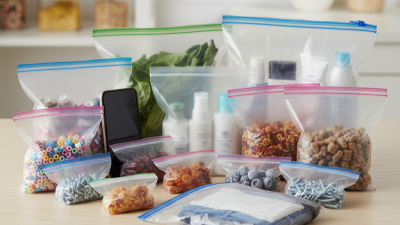
Disposable plastic products come in a variety of forms. Common types include cutlery, plates, straws, and cups. Each type serves specific purposes in the food and beverage industry. According to the International Waste Association, over 300 million tons of plastic are produced annually. A significant portion ends up as disposable items.
Understanding the materials used is crucial. Polystyrene, for example, is lightweight and cost-effective, but it takes hundreds of years to decompose. Biodegradable options are gaining popularity. Researchers estimate these could reduce landfill waste by up to 30%. However, there's often confusion over what biodegradable truly means.
Quality should not be overlooked. Products must meet safety standards, especially in food service. Some disposable plastics can leach harmful chemicals if used improperly. It's vital for businesses to prioritize sourcing products that comply with regulations. This not only ensures safety but strengthens a brand’s reputation in a competitive market.
Top Tips for Sourcing Quality Disposable Plastic Products
| Product Type |
Material |
Biodegradability |
Typical Uses |
Average Price ($) |
| Plastic Cutlery |
Polypropylene (PP) |
Non-biodegradable |
Catering, Events |
0.05 |
| Plastic Plates |
Polystyrene (PS) |
Non-biodegradable |
Picnics, Parties |
0.10 |
| Plastic Cups |
Polyethylene (PE) |
Non-biodegradable |
Beverages, Events |
0.07 |
| Plastic Bags |
Low-Density Polyethylene (LDPE) |
Non-biodegradable |
Retail, Grocery |
0.02 |
| Biodegradable Plates |
PLA (Polylactic Acid) |
Biodegradable |
Catering, Eco-friendly Events |
0.15 |
Identifying Reliable Suppliers for Quality Plastics
Finding reliable suppliers for quality disposable plastic products requires more than just a quick search. It demands an understanding of the market landscape. Many businesses overlook the nuances when selecting suppliers. A low price often comes with compromises in quality. Therefore, diving deeper into the supplier's background is crucial. Look for suppliers with a solid track record and positive reviews from other buyers. Check their certifications as well. Reliable suppliers should comply with industry standards.
Communication plays a vital role in building trust. Reach out to suppliers and ask specific questions about their products. A reputable supplier should respond promptly and be knowledgeable. Evaluate their customer service, too. Poor communication can lead to misunderstandings down the line. Additionally, consider visiting their facilities if possible. This firsthand experience can provide insight into their production processes and overall operational standards.
Always keep an open mind during your search. Not every supplier will fit your needs perfectly. Some might excel in pricing but lack quality, while others may have excellent standards but be less flexible on order sizes. Reflecting on these aspects can help in making informed decisions. Cultivating a relationship with your chosen supplier can lead to better deals and improved product offerings over time.
Evaluating Product Specifications and Certifications
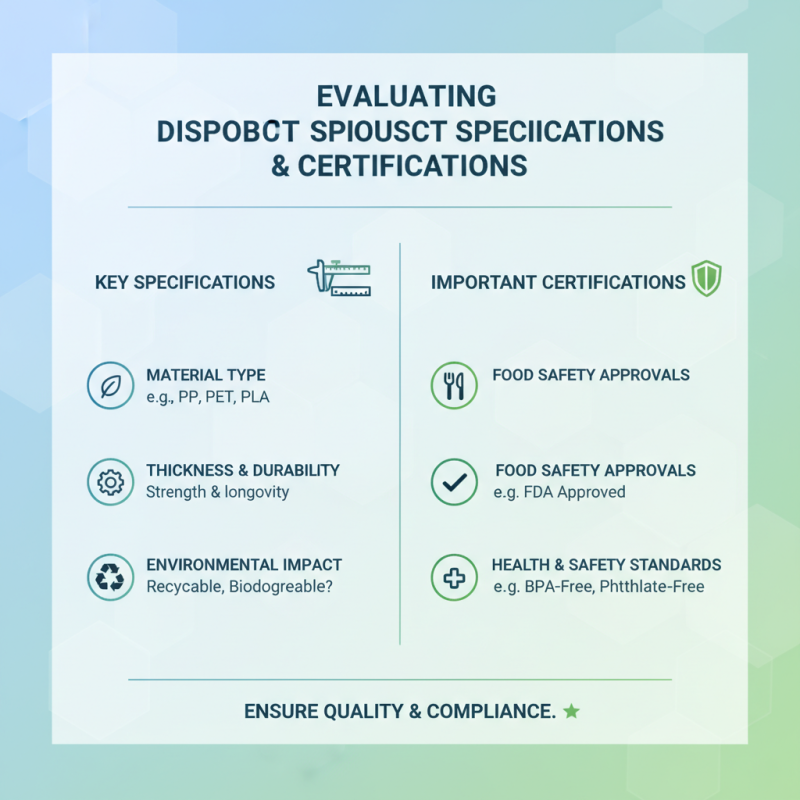
When sourcing quality disposable plastic products, understanding product specifications and certifications is vital. Look for details like material type, thickness, and durability. These factors can greatly influence the product's performance and its impact on the environment. Pay attention to certifications such as FDA approval for food safety or BPA-free labeling. These indicators help ensure that the products meet health and safety standards.
Tips for evaluating quality include assessing supplier transparency. A reliable supplier should readily provide product specifications and any relevant certifications. Additionally, researching third-party testing labs can verify claims. Not every product will be as eco-friendly as it seems. Some certifications can be misrepresented, so examine them closely.
Consider the manufacturing processes involved in producing the plastic products. Environmentally friendly processes reduce carbon footprints. Be cautious of products that claim to be biodegradable but are made from conventional plastic. This discrepancy can lead to misleading assumptions about sustainability. It’s essential to question and seek clarity to ensure you choose the best options.
Assessing Environmental Impact and Sustainability Practices
When sourcing disposable plastic products, assessing environmental impact is crucial. Many consumers are now eco-conscious, seeking sustainable alternatives. It’s essential to understand the materials used in production. Some plastics are recyclable, while others may take centuries to break down. Look for biodegradable options that can still meet your needs without lasting harm.
Sustainability practices vary widely among manufacturers. It’s vital to research their policies on waste management and recycling efforts. Many companies have adopted greener processes, but this is not universally true. Transparency in sourcing is important. Consider asking for information about a supplier’s environmental certifications. Some may provide evidence of reduced carbon footprints or the use of recycled materials.
Not all products labeled as “eco-friendly” live up to the claims. Misleading marketing can be common. Always verify claims through reliable sources or third-party reviews. Engage in conversations with suppliers about their commitment to sustainability. This creates an opportunity to reflect on your own purchasing choices and the broader implications for the environment. Making informed decisions can lead to more responsible sourcing, benefitting both your business and the planet.
Negotiating and Establishing Fair Pricing Agreements
Pricing agreements in the disposable plastic product industry can be complex. Understanding market trends is crucial. Recent studies show that material costs can vary by up to 30% depending on global supply chain issues. This means you must be prepared to negotiate.
Consider these tips when establishing fair pricing agreements. First, research current market prices for similar products. Knowing the price range allows for effective negotiation. Second, ask for quotes from multiple suppliers. This will give you leverage in discussions. Lastly, build long-term relationships with suppliers to secure better rates and reliability.
Many businesses overlook the importance of truly understanding their suppliers' cost structures. A lack of insight can lead to unfavorable agreements. Transparency in pricing discussions can foster trust and facilitate fair deals. In the end, balancing cost and quality is key to long-term success in sourcing quality disposable products.
Top Tips for Sourcing Quality Disposable Plastic Products