Top 10 Eco Trash Bags for Sustainable Living Solutions?
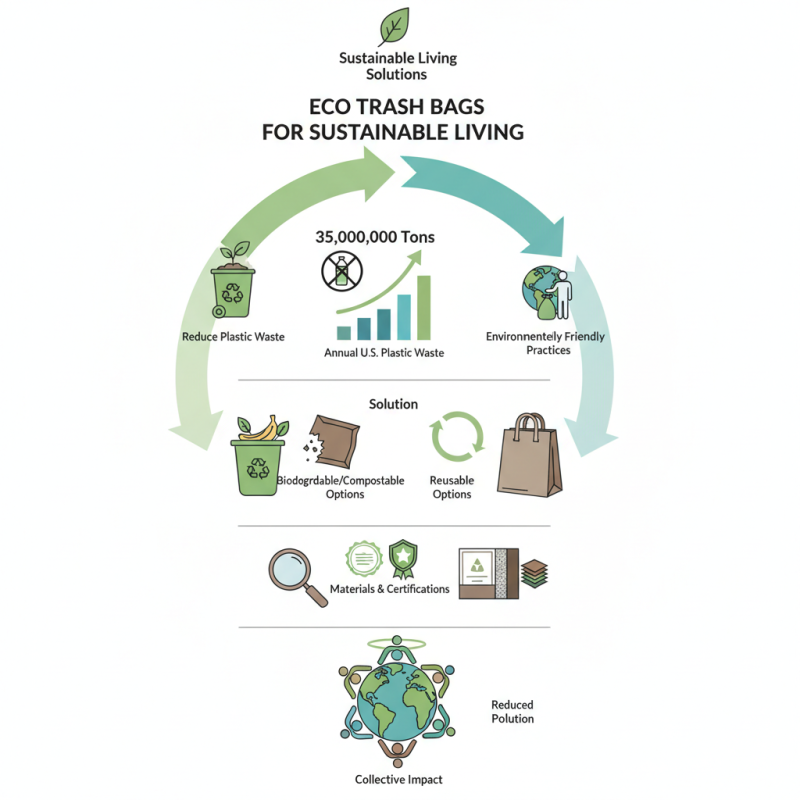
Eco Trash Bags play a vital role in promoting sustainable living. These bags reduce plastic waste and encourage environmentally friendly practices. According to a report by the Environmental Protection Agency, around 35 million tons of plastic waste are generated annually in the U.S. alone. This staggering figure highlights the urgency for effective alternatives, like Eco Trash Bags.
Expert Susan Green, a leading figure in sustainable product innovation, states, "Switching to Eco Trash Bags is a small change that can lead to significant environmental benefits." Her insights underscore the necessity of making mindful choices for our planet. However, selecting the right Eco Trash Bag can be overwhelming due to the numerous options available.
Many consumers struggle with the choice between biodegradable and reusable options. Some Eco Trash Bags claim to be compostable, yet often fail to break down properly in home compost bins. This discrepancy raises questions about effectiveness and labels in the industry. To navigate these challenges, understanding the materials and certifications of Eco Trash Bags is crucial. By making informed decisions, we can collectively reduce pollution and move toward a more sustainable future.
Top 10 Eco Trash Bags for Sustainable Living Solutions
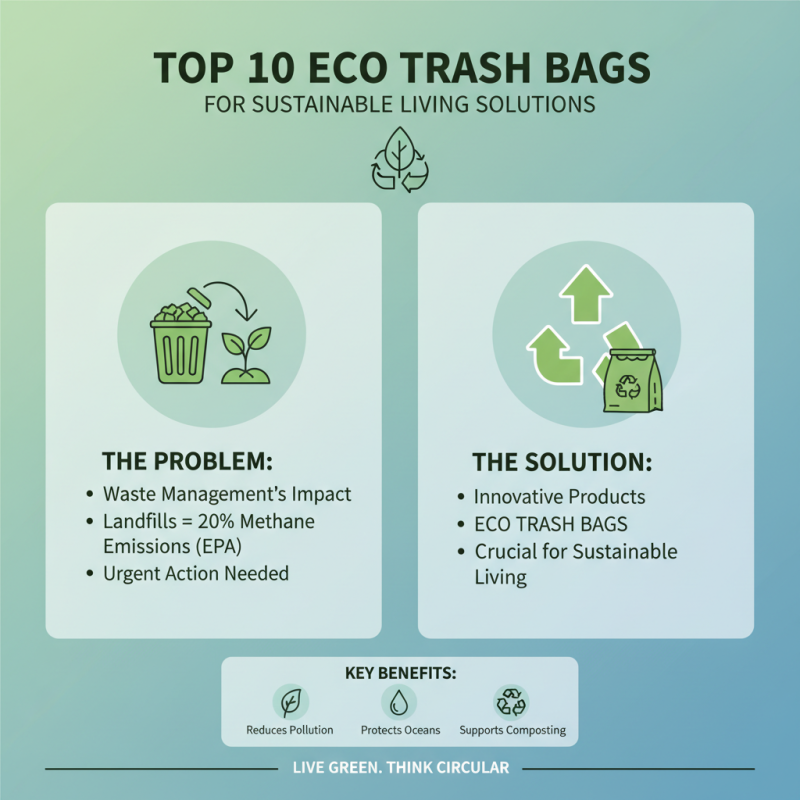
The push for eco-friendly products is growing. The waste management sector significantly impacts our environment. In fact, the EPA reports that landfills contribute to 20% of methane emissions. This calls for urgent action and innovative solutions. Eco trash bags have emerged as a crucial part of sustainable living.
When choosing eco trash bags, consider materials. Many are made from biodegradable substances. These bags break down more efficiently than traditional plastic. Industry studies indicate that biodegradable bags can decompose in about three months under the right conditions. Compare this to regular plastic, which can last over 400 years in a landfill. Yet, not all eco bags perform equally. Some may not degrade properly if they end up in the wrong environment.
Consumers often face deception in labeling. Terms like "biodegradable" and "compostable" can be misleading. Some products only decompose under industrial conditions. Therefore, it’s essential to research before purchasing. Check for certifications from reliable sources. As the movement towards a cleaner planet grows, choices like eco trash bags are vital. They reflect a commitment to sustainable living, even if the journey is imperfect.
Understanding the Need for Eco-Friendly Trash Bags
Eco-friendly trash bags are becoming increasingly necessary. Traditional plastic bags contribute significantly to environmental pollution. In the United States alone, an estimated 300 million tons of plastic are produced annually, with a substantial portion ending up in landfills and oceans. The urgency for alternative solutions is paramount.
Research indicates that biodegradable bags can degrade in as little as six months under optimal conditions. In contrast, standard plastic bags can take hundreds of years to break down. The average household generates about 4.4 pounds of waste daily. By switching to eco-friendly options, families can positively impact waste management. However, not all eco trash bags perform the same in real-world conditions. Some may not break down effectively due to varying composting practices.
Awareness is growing, but many consumers are still unaware of their options. A report by the Environmental Protection Agency (EPA) emphasizes the need for education on sustainable waste practices. This gap in understanding leads to reliance on traditional plastic bags. Therefore, offering reliable information on eco-friendly alternatives is crucial for encouraging better habits. The path to sustainable living requires continuous learning and adaptation.
Key Features to Look for in Sustainable Trash Bags
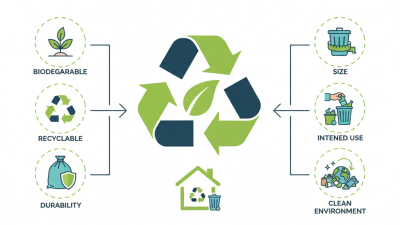
When choosing eco-friendly trash bags, certain key features are essential for sustainable living. First, look for bags made from biodegradable materials. Traditional plastic bags can take hundreds of years to decompose. In contrast, biodegradable options can break down in a much shorter time frame, reducing landfill waste significantly.
Another important feature is the strength of the trash bag. Many eco-friendly bags are made to compete with conventional options in terms of durability. According to a recent industry report, nearly 60% of consumers prefer bags that hold up under heavy loads without tearing. This ensures that switching to an eco-friendly option does not compromise the effectiveness of waste management.
Tips: Always check for certification labels that confirm biodegradability. Some bags are labeled ASTM D6400 compliant, indicating they meet specific standards for compostability. Consider the size and thickness too—this can impact your overall waste reduction goal.
While eco-friendly trash bags are a step in the right direction, consumers should remain aware of their own disposal habits. It’s easy to overlook how waste is sorted or whether it ends up in the correct recycling bin. A conscious approach to waste disposal is necessary. No product is a silver bullet; even the best trash bags must be used wisely.
Comparative Review of the Top 10 Eco Trash Bags
When considering eco-friendly trash bags, sustainability plays a crucial role. Recent data from the Environmental Protection Agency (EPA) highlights that more than 75% of waste is recyclable but often ends up in landfills. Eco trash bags can help mitigate this issue by using materials that break down more easily in the environment.
Biodegradable options typically contain starches or other plant-based materials. They decompose in under five years compared to traditional plastic, which can take up to a thousand years. A study from the Journal of Environmental Management shows that using eco-friendly bags can reduce landfill waste significantly.
However, not all biodegradable bags are created equal. Some may perform poorly under certain conditions, causing confusion and potential harm. It’s also important to consider the manufacturing process. Research indicates that bags made from recycled materials often consume less energy than virgin plastic production. Despite being a positive choice, some recycled bags still contribute to the issue of microplastic pollution during breakdown.
Consumers should evaluate their options carefully, weighing impact against performance. The pursuit of true sustainability in trash disposal remains a work in progress, urging both manufacturers and consumers to stay informed and adaptable.
Environmental Impact of Using Eco Trash Bags
Using eco trash bags can significantly reduce the environmental impact of waste disposal. Traditional plastic bags take hundreds of years to decompose. In contrast, eco-friendly alternatives are often made from biodegradable materials. They break down much faster, thereby reducing landfill accumulation. This shift can help minimize pollution in oceans and soil.
It's crucial to understand the types of eco trash bags available. Some are made from plant-based materials, while others utilize recycled plastics. Each option has its advantages and disadvantages. Choosing the right one for your needs can be challenging. Some bags may perform well but break down slower under certain conditions. Thus, researching specifications is essential.
Tips: When switching, consider how much waste your household generates. Smaller households may find biodegradable bags sufficient. Larger families may need sturdier options. Also, be cautious about production practices. Not all eco bags live up to sustainable claims. Check for certifications and third-party verifications. This diligence can ensure you choose genuinely eco-conscious products.
Conclusion
In recent years, the demand for Eco Trash Bags has surged as more individuals and communities strive for sustainable living solutions. Understanding the necessity of eco-friendly trash bags is crucial, as they help minimize environmental impact compared to conventional alternatives. When selecting the right Eco Trash Bags, consumers should look for key features such as compostability, biodegradability, and durability, ensuring that their choice contributes positively to our planet.
A comparative review of the top Eco Trash Bags reveals various options that cater to different needs, emphasizing their effectiveness in reducing waste. Furthermore, it is essential to understand the environmental implications of using these bags, as their proper disposal and recycling practices can significantly enhance their positive contribution to sustainability. By adopting Eco Trash Bags and following best practices for disposal, individuals can make impactful strides toward a greener future.