Top 10 Plastic Baggies Available in China for Everyday Use?
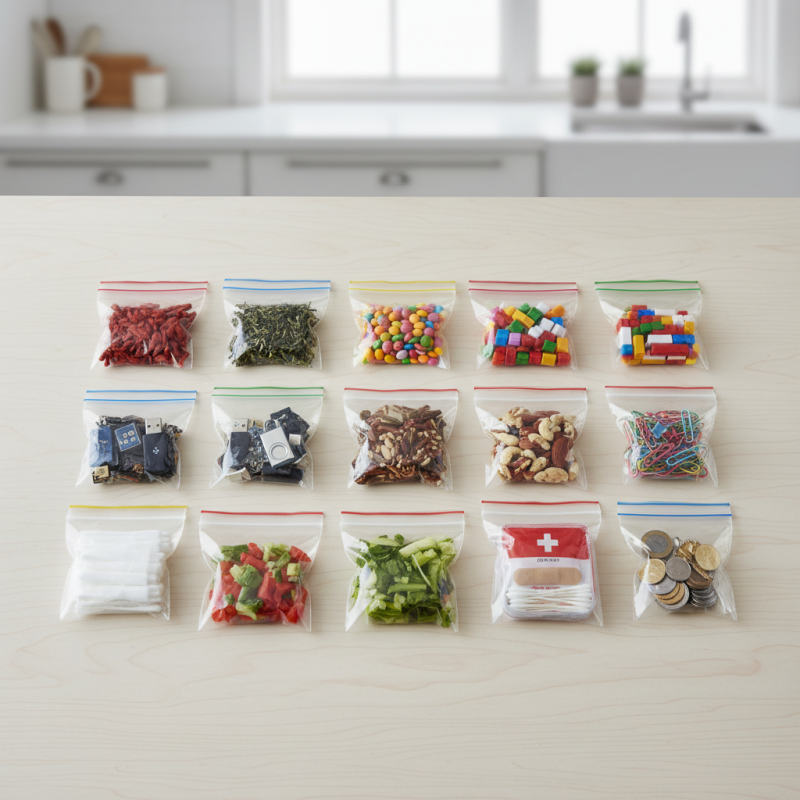
In our fast-paced lives, finding reliable storage solutions is essential. Plastic baggies have become a staple for many households in China. These versatile items offer convenience, organization, and protection for a variety of items. From storing snacks to organizing office supplies, plastic baggies are indispensable.
The market offers numerous options, each with unique features. However, not all plastic baggies meet quality standards. Some may easily tear or fail to seal properly. Therefore, it is crucial to choose wisely. Trustworthy brands can ensure durability and reliability.
As we explore the top 10 plastic baggies available in China, we must acknowledge personal experiences. Recommendations often come from trial and error. What works for one person may not work for another. Thus, it's valuable to approach our choices with a critical eye. By considering various factors, we can find the right plastic baggies for our everyday needs.
Top 10 Plastic Baggies Available in China for Everyday Use
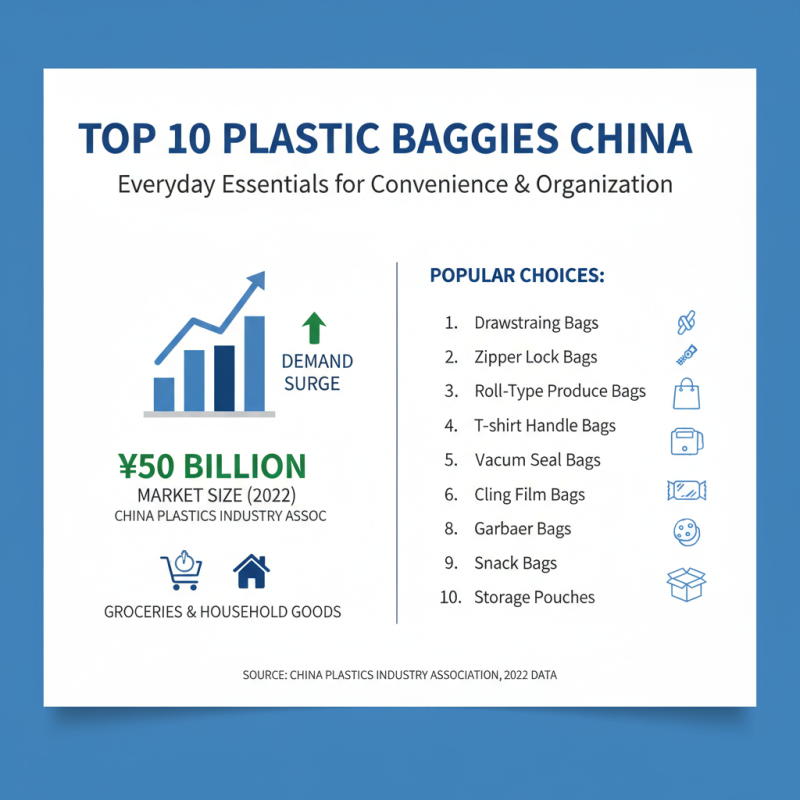
In recent years, the demand for plastic baggies in everyday use has surged in China. Research from the China Plastics Industry Association indicates that the market size for plastic bags reached approximately ¥50 billion in 2022, reflecting a growing reliance on these versatile products. Consumers prefer lightweight options for organizing items from groceries to small household goods. This trend corresponds with the increased emphasis on convenience in modern lifestyles.
Plastic baggies are often chosen for their practicality. Many are designed with resealable features, making them ideal for preserving food freshness. However, the environmental impact of plastic waste cannot be overlooked. Statistics show that China generates about 29 million tons of plastic waste annually. This figure highlights the necessity for sustainable options. With limited recycling infrastructure in certain areas, the challenge remains significant.
The variety of baggies available caters to different needs. From freezer-safe options to durable storage bags, users face overwhelming choices. However, understanding the materials used can be complex. Some baggies contain additives that may not be biodegradable. Consumers are becoming more discerning, seeking clarity on product labels and sustainability. This evolving landscape encourages brands to innovate while considering long-term environmental effects.
Market Overview of Plastic Baggies in China
The market for plastic baggies in China has seen significant growth. Consumers use these versatile bags daily for various purposes. From food storage to organization, plastic baggies serve multiple functions in homes and businesses alike. They are essential for keeping items fresh and organized.
Many manufacturers focus on eco-friendly options. Biodegradable materials gain traction among environmentally conscious consumers. Yet, the production of plastic baggies still raises concerns. Recycling rates remain low, and not all consumers are aware of proper disposal methods. This creates a gap in sustainability efforts within the market.
The variety of products available is vast. Options for size, strength, and closure methods cater to diverse needs. Yet, finding a reliable supplier can be challenging. Quality control issues may arise from several lesser-known manufacturers. Buyers often need to be cautious and conduct thorough research before making purchases. The market is ripe for improvements and innovation.
Types of Plastic Baggies: Materials and Their Applications
Plastic baggies come in various materials, each tailored for specific uses. Common types include polyethylene and polypropylene.
Polyethylene baggies are flexible and durable. They are ideal for storing food, as they provide a moisture barrier. These baggies can maintain freshness while keeping items visible.
Polypropylene baggies are more rigid and heat-resistant. They work well for packaging items that require extra protection. Craftspeople often employ these baggies to store small tools or supplies.
Their transparency allows for easy identification.
While these baggies are convenient, users should reflect on their environmental impact. Single-use plastics contribute to pollution. Seeking biodegradable options or reusing existing baggies can help mitigate this issue.
It's essential to balance convenience with sustainability in everyday choices.
Key Features to Consider When Choosing Plastic Baggies
When selecting plastic baggies for everyday use, several key features should be considered. Material quality is paramount. Opt for bags made from high-density polyethylene (HDPE) or low-density polyethylene (LDPE). These materials are widely recognized for their durability and flexibility. According to industry reports, bags made from HDPE generally have a lower tear rate, making them ideal for carrying heavier items.
Size plays a crucial role in functionality. Standard sizes often include quart, gallon, and sandwich bags. A study from the Plastic Industry Association reveals that around 68% of consumers prefer gallon-sized bags for meal prep and storage. However, smaller bags are essential for snacks or organizing small items. Seal type also matters. Zipper seals provide a better airtight solution; this prevents contents from spilling and enhances freshness.
Another factor worth noting is environmental impact. Many manufacturers are shifting towards biodegradable options. Consumers are becoming more aware of their carbon footprint. Reports indicate that eco-friendly packaging is gaining traction, with a forecasted annual growth rate of 7% in the sustainable packaging market. However, while these options are appealing, availability may vary. Thus, sourcing reliable products can sometimes be challenging. Always read labels and check specifications to ensure quality and compliance with safety standards.
Environmental Impact of Plastic Baggies and Sustainable Alternatives
Plastic baggies have become ubiquitous in daily life, but their environmental impact is alarming. Data from the World Economic Forum indicates that 300 million tons of plastic waste are generated globally each year. This waste not only fills landfills but also harms wildlife. Microplastics have entered the food chain, posing risks to human health and ecosystems alike.
Sustainable alternatives are emerging, yet they face challenges. Biodegradable baggies, for instance, often require specific conditions to decompose properly. A report from the Ellen MacArthur Foundation highlights that only 9% of plastic waste is recycled effectively. This inefficiency raises questions about our reliance on conventional plastics. Mindful choices can lead us toward better options that benefit the planet. Although some biodegradable options can also contribute to waste if not disposed of correctly, consumer awareness is vital in making informed decisions.
Top 10 Plastic Baggies Available in China for Everyday Use
| Material |
Size (cm) |
Thickness (microns) |
Uses |
Environmental Impact |
Sustainable Alternatives |
| PE (Polyethylene) |
20 x 30 |
25 |
Food storage, packaging |
High pollution risk, non-biodegradable |
Biodegradable bags |
| PP (Polypropylene) |
15 x 25 |
30 |
Snack bags, lightweight storage |
Recyclable, but still plastic waste |
Recycled paper bags |
| PVC (Polyvinyl Chloride) |
10 x 15 |
50 |
Shopping bags, storage |
Toxic when burned, difficult to recycle |
Cotton bags |
| PET (Polyethylene Terephthalate) |
22 x 32 |
40 |
Reusable containers |
Burning produces harmful chemicals |
Glass containers |
| LDPE (Low-Density Polyethylene) |
25 x 40 |
15 |
Grocery bags |
Less durable, breaks down slowly |
Hemp bags |
| HDPE (High-Density Polyethylene) |
30 x 40 |
50 |
Heavy-duty bags, trash bags |
Easily recyclable but still an issue |
Compostable bags |
| Biodegradable Plastic |
20 x 30 |
30 |
General use |
Breaks down in landfills |
Natural fibers |
| Composite Plastic |
15 x 20 |
20 |
Specialty applications |
Complex materials hinder recycling |
Recyclable alternatives |
| Plant-Based Plastic |
25 x 35 |
25 |
Packaging and bags |
Less impact than traditional plastics |
Recycled materials |
| Reusable Silicone Bags |
20 x 30 |
0.5 |
Food storage, travel |
Minimal; durable and reusable |
None needed |
Conclusion
The article "Top 10 Plastic Baggies Available in China for Everyday Use" provides a comprehensive overview of the market for plastic baggies in China, highlighting their various types, materials, and applications. It discusses the essential features consumers should consider when selecting plastic baggies, such as durability, size, and sealing capabilities. Furthermore, the article addresses the environmental impact of plastic baggies, emphasizing the need for sustainable alternatives as eco-awareness grows among consumers.
In addition to material considerations, the article explores consumer trends and preferences for plastic baggies in China, noting a shift towards more environmentally friendly options. As the market for these everyday items evolves, understanding both their practical uses and their ecological footprint is crucial for informed consumer choices. Overall, the discussion on plastic baggies not only highlights their utility but also presents a call for responsible consumption in light of environmental concerns.