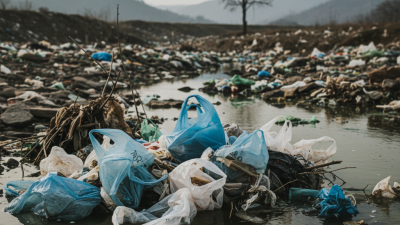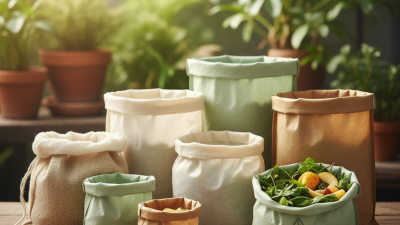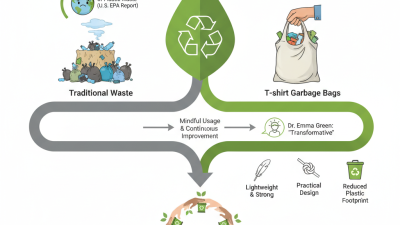
The world is shifting towards more sustainable practices, and disposable bags are in the spotlight. In 2026, trends are evolving to make these bags greener and more innovative. As plastic pollution increases, the demand for eco-friendly alternatives is growing rapidly.
Disposable bags are essential in our daily lives, and their design is changing. Many companies are exploring biodegradable materials and reusable options. These innovations aim to reduce waste and lessen environmental impact. Yet, challenges remain. Not all consumers are ready to embrace change. Education and awareness are crucial in making this transition smoother.
As we look ahead, the role of disposable bags in our society is under scrutiny. We must reflect on our habits and choices. Sustainable options are available, but adoption may take time. The journey towards a greener future hinges on our willingness to adapt.
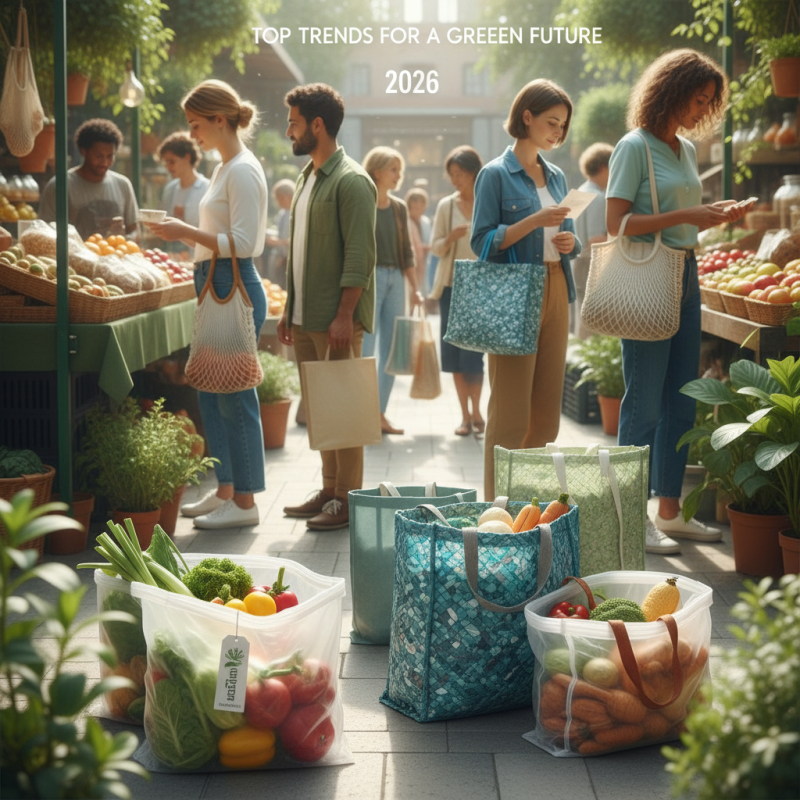
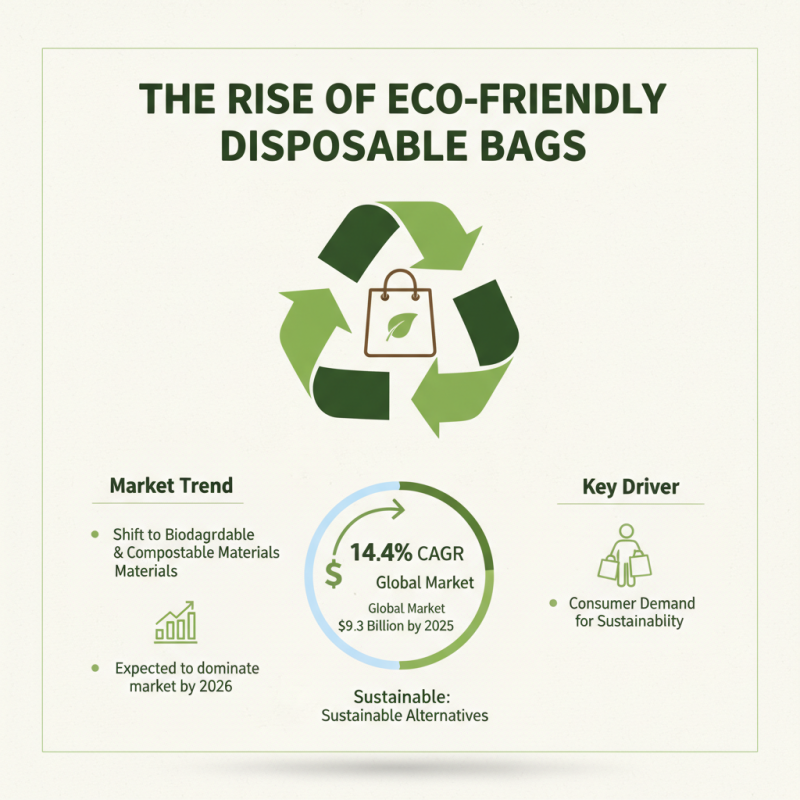
The shift towards eco-friendly materials in disposable bags is gaining momentum. By 2026, biodegradable plastics and compostable materials are expected to dominate the market. Research indicates that the global biodegradable bags market will reach $9.3 billion by 2025, growing at a rate of 14.4% annually. This rise reflects consumer demand for sustainable alternatives.
Cornstarch and mushroom-based materials are emerging as popular choices. These materials decompose quickly and leave no harmful residues. Yet, challenges remain. Not all users understand the correct disposal methods for these bags. Education is crucial to maximize their environmental benefits. Moreover, sourcing these materials can be inconsistent. Producers struggle to keep up with growing demand while maintaining quality and sustainability.
In 2026, we might see more innovations, like seaweed-based bags. They show promise for reducing the plastic burden. However, industry experts caution that production processes must also consider environmental impacts. Balancing sustainability and efficiency is a complex task. As we advance, the eco-friendly shift must be both genuine and scalable. Much work lies ahead in refining these new materials for the market.
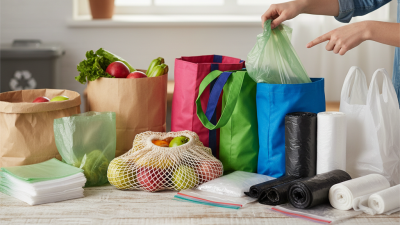
The move towards innovative designs in disposable bags is gaining momentum. Many manufacturers are prioritizing sustainability in their offerings. This transformation focuses on the use of biodegradable materials and recycled fibers. The aim is to reduce environmental impact significantly. For instance, some bags now incorporate plant-based materials. This is crucial for minimizing plastic waste. However, not all designs work effectively for various uses.
Creativity in bag manufacturing is evident. Designers are experimenting with shapes and functionalities. Some bags feature unique closures or multifunctional designs. These innovations provide convenience while staying eco-friendly. Yet, the functionality must be balanced with sustainability. Sometimes, the materials may not perform as expected. This can lead to durability concerns. Brands need to focus on improving material strength.
Challenges remain in achieving the perfect blend of design and functionality. While many new concepts emerge, not all are market-ready. Consumers still express doubts about longevity. The journey towards a greener future requires ongoing efforts. Each new bag design should strive for improvement, balancing aesthetics and practicality. The path may be complex, but it is definitely worth exploring.
| Trends | Description | Materials Used | Environmental Impact |
|---|---|---|---|
| Biodegradable Bags | Bags made from materials that decompose naturally. | PLA, cornstarch, recycled paper | Reduced landfill waste and lower carbon footprint. |
| Reusable Options | Durable and stylish bags that can be reused multiple times. | Organic cotton, jute, recycled plastics | Significantly lowers the need for single-use plastic. |
| Innovative Designs | Bags designed with features for convenience and style. | Recycled polyester, biodegradable composites | Promotes consumer awareness and encourages recycling. |
| Plant-Based Plastics | Plastic-like bags made from renewable resources. | Sugarcane, potato starch | Less reliance on fossil fuels and lower emissions. |
| Minimalist Designs | Simple, functional bags emphasizing sustainability. | Recycled paper, non-toxic dyes | Lower material usage and decreased environmental burden. |
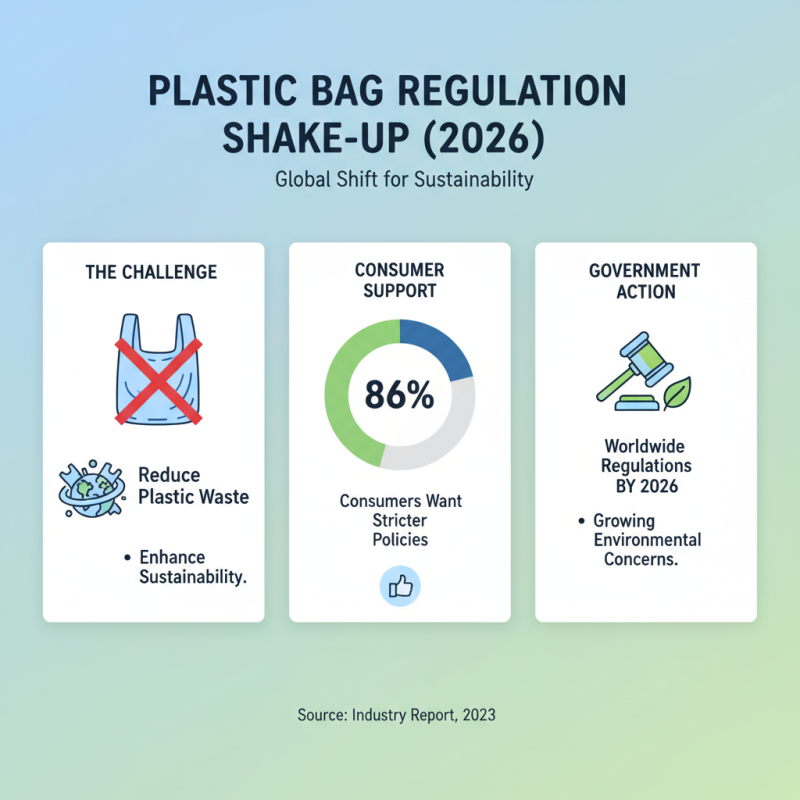
The disposable bag industry faces significant regulatory changes by 2026. Governments worldwide aim to reduce plastic waste and enhance sustainability. For instance, a recent report stated that 86% of consumers support stricter policies on plastic bags. This push for action reflects growing environmental concerns.
Numerous countries have introduced bans on single-use plastics. The European Union targets a 50% reduction in plastic waste by 2025. Some regions demand that retailers charge fees for disposable bags. Data shows that these initiatives can reduce bag usage by up to 90%. However, some communities struggle with adaptions. Not every consumer is ready to change their habits.
While regulatory measures are crucial, challenges remain. Recycling systems must improve to handle increased disposable alternatives. A report from the World Economic Forum notes that only 9% of plastics are recycled. Simply banning plastic bags won’t solve the issue. Public awareness and education play a vital role in this transition. Understanding the impact of our choices is essential for a greener future.
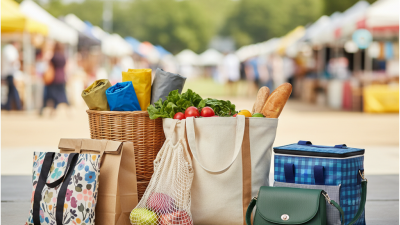
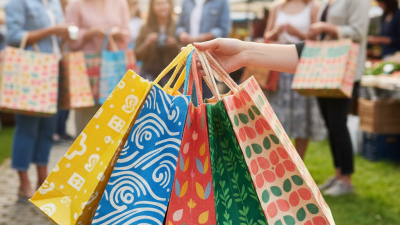
As consumer awareness ramps up, the demand for green disposable bags is changing the landscape. Shoppers are becoming more conscious of their choices. They want bags that reduce pollution. This shift in mindset is evident in various demographics, including younger generations leading the charge for sustainable options.
Many consumers now actively seek biodegradable materials. They prefer bags made from plant-based resources. Yet, some still overlook labels, unaware of the true environmental impact. In stores, it’s common to see individuals grabbing plastic bags without a second thought. The contrast is striking as awareness grows. It highlights a gap in understanding that requires attention.
Opportunities exist for education about eco-friendly alternatives. However, a significant percentage of people remains indifferent. The challenge lies in bridging this knowledge gap. As we pursue greener options, it's crucial to address these shortcomings. After all, a collective effort is needed to transition fully towards sustainability in disposable bags. Each small step matters, yet it’s clear there is more to be done.
The quest for sustainable disposable bags is increasingly shaped by
innovative technology. Advanced materials are now being developed, allowing for biodegradable options.
For example, some bags made from plant-based polymers break down within months.
This innovation reduces landfill waste significantly. However, the availability of such materials can be limited,
creating a challenge.
Production processes are also evolving. Smart manufacturing techniques minimize waste and energy use.
Automated systems can adjust to create less surplus during production. But, the reliance on technology raises questions.
Are we becoming too dependent on machines for solutions?
Consumer behavior plays a vital role, too. Eco-conscious shoppers are driving demand for these greener options.
Yet, not everyone may prioritize sustainability in their choices. Education is needed to inform consumers about the benefits of eco-friendly bags.
As we embrace technology, we must reflect on its limitations. Just as we celebrate progress, we must also address its flaws.