



News
Understanding All Six Polyethylene Modification Methods
LDPE typically has a crystallinity of 55–65%, while HDPE ranges from 80–90%. Although PE possesses excellent mechanical processing properties, its inert and non-polar surface results in poor printability, dyeability, hydrophilicity, adhesion, antistatic properties, and compatibility with polar polymers and inorganic fillers. Additionally, its wear resistance, chemical resistance, environmental stress crack resistance, and heat resistance are limited, restricting its application scope. Modification methods are employed to enhance its performance and expand its applications.

AirAsia Adopts Polylactic Acid (PLA) Tableware
April 21, 2025 – Santan, the food and beverage division of Capital A (formerly AirAsia Group), has announced its shift from single-use plastics to biodegradable alternatives, marking a significant step in reducing its environmental footprint. All disposable items onboard, including cups, lids, and cutlery, will now be made from polylactic acid (PLA)—a material derived from renewable resources such as corn and cassava.
Developed by Rightway New Material, PLA offers key advantages over conventional plastics, decomposing at a m
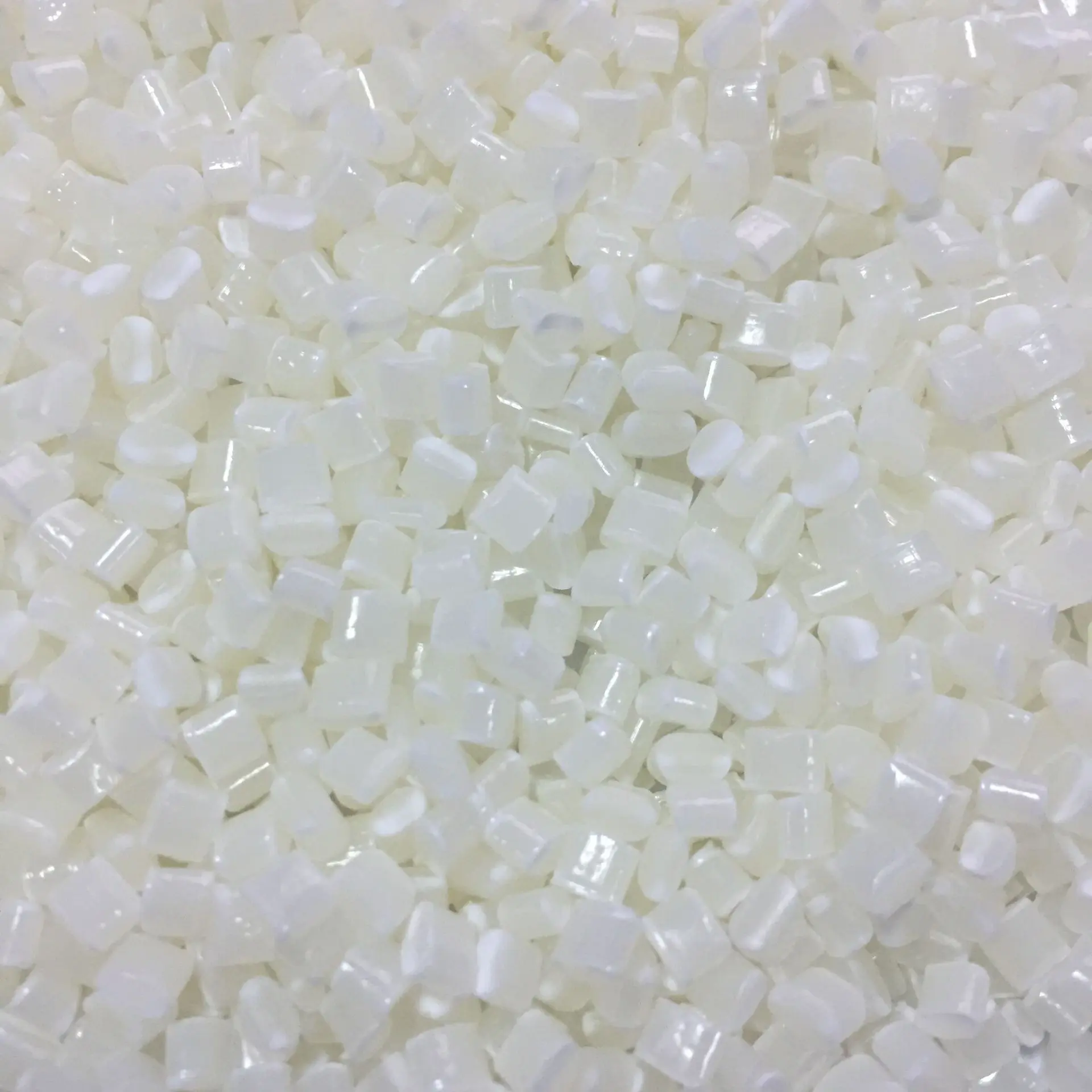
Flame-Retardant ABS
ABS is a flammable material, classified as HB level according to the UL94 standard. When ignited, ABS burns rapidly, releasing large amounts of toxic gases and black smoke, making it unsuitable for many practical applications. With advancements in technology and improvements in quality of life, safety awareness has grown significantly. Both domestic and international industries have imposed strict fire safety and flame-retardant requirements on plastic materials used in automobiles, construction, home appliances, office equipment, and other fields, accompanied by corresponding technical standards and regulations. Therefore, research on flame-retardant ABS holds considerable importance.
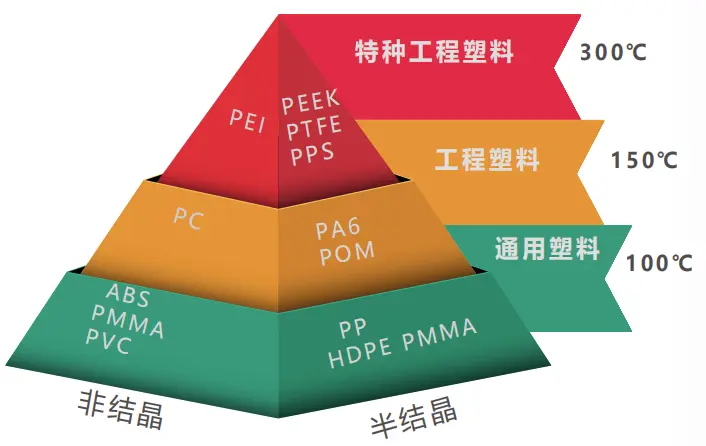
Classification of plastic
There are numerous types of plastics (e.g., PE, PP, PVC), widely used in packaging, construction, healthcare, automotive and other fields, meeting both daily and industrial needs.
Methods for Modifying PET
When PET is blended with PP, the resulting alloy combines the advantages of both, enhancing overall performance. For example, PET improves PP's heat resistance, while PP reduces PET's moisture sensitivity. However, without a compatibilizer, PET/PP blends exhibit weak interfacial adhesion and poor mechanical properties.

What pigments are used in plastics, and what key properties should they have?
-
Colorfastness - Excellent lightfastness and weather resistance
-
Thermal stability - Temperature resistance exceeding processing temperatures by 20°C significantly impacts pricing tiers
-
Chromatic performance - Includes color brightness (L*) and hue angle (hab)
-
Tinctorial strength and dispersion characteristics
-
Migration resistance and water resistance
-
Chemical inertness - Acid/alkali resistance, ethanol tolerance, etc.
-
Minimal shrinkage and warpage effects
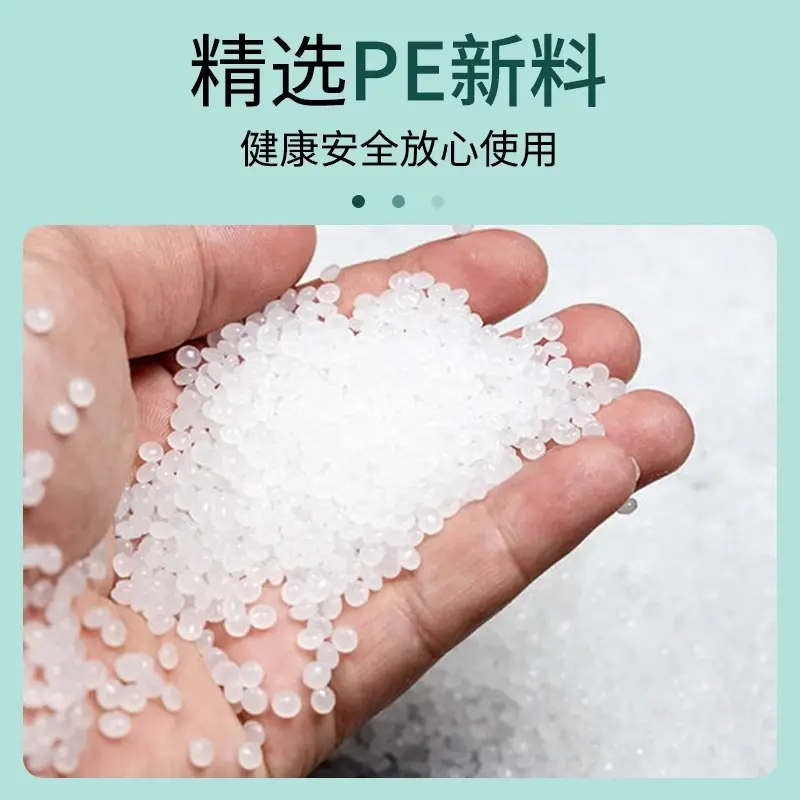
Breakthrough Advancement: Polylactic Acid (PLA) Air-Textured Fiber!

U.S. ethylene companies' margins may shrink further
U.S. chemical companies are facing shrinking margins due to fluctuating oil and gas prices, while dealing with tariffs and economic uncertainty, the Global Energy & Chemicals Industry Market Information Service said recently.
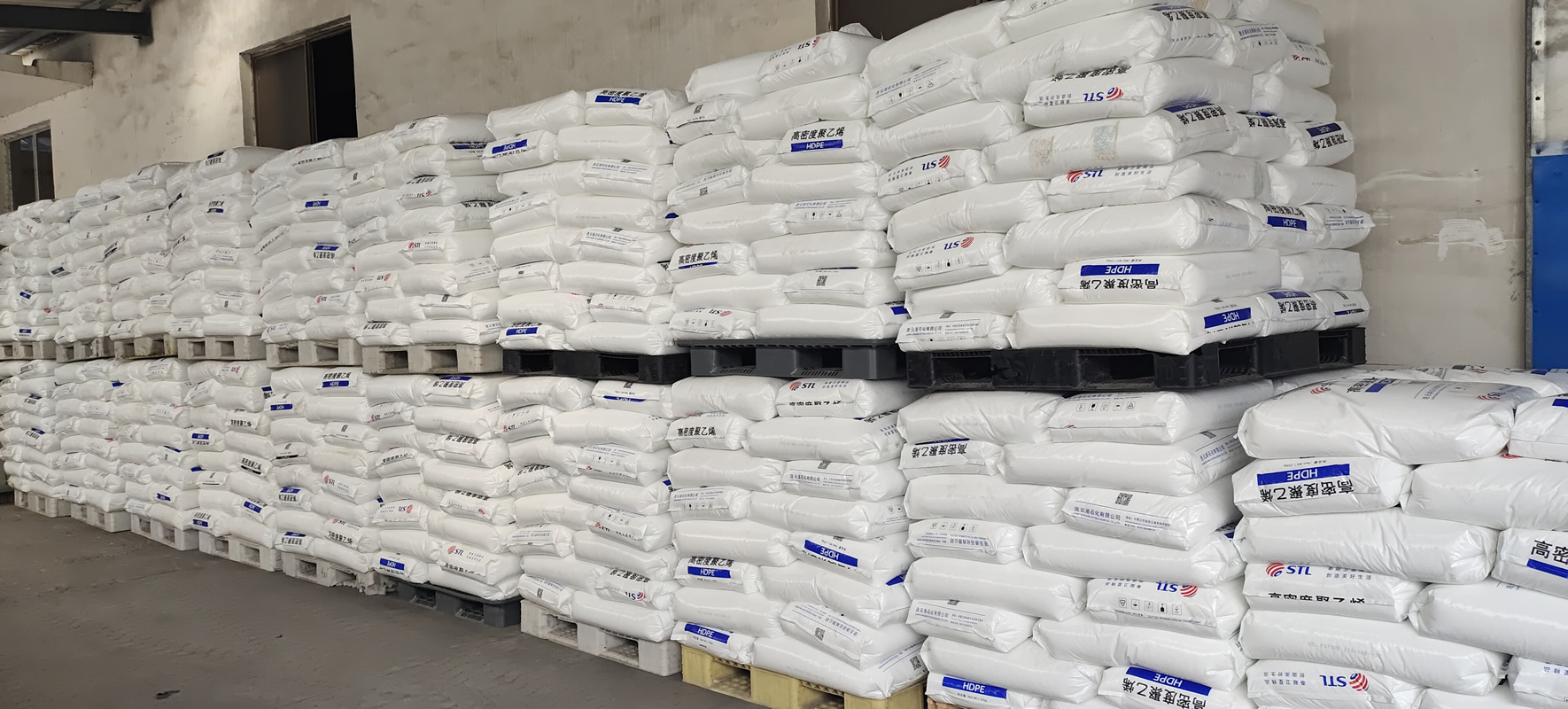
Plastic bags quality grade judgment method
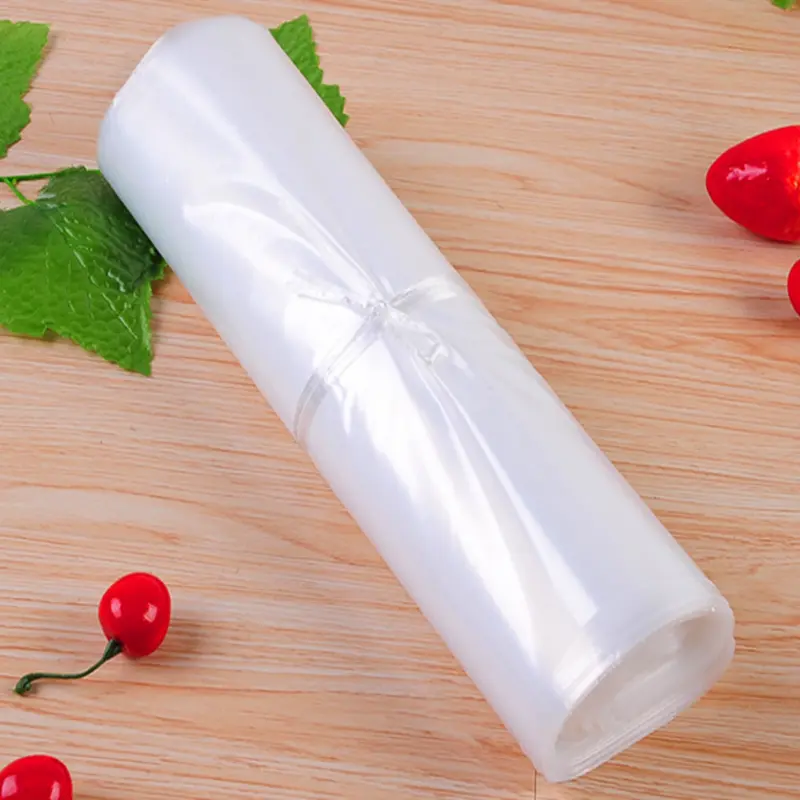
Plastic Bags are available in a wide variety of categories, and the ingredients are all different. As consumers should be how to judge the quality of plastic bags and whether it meets the standards?
Avient launches innovative antimicrobial TPE material | Rizhao Wanjia leads the innovation of antimicrobial consumer products
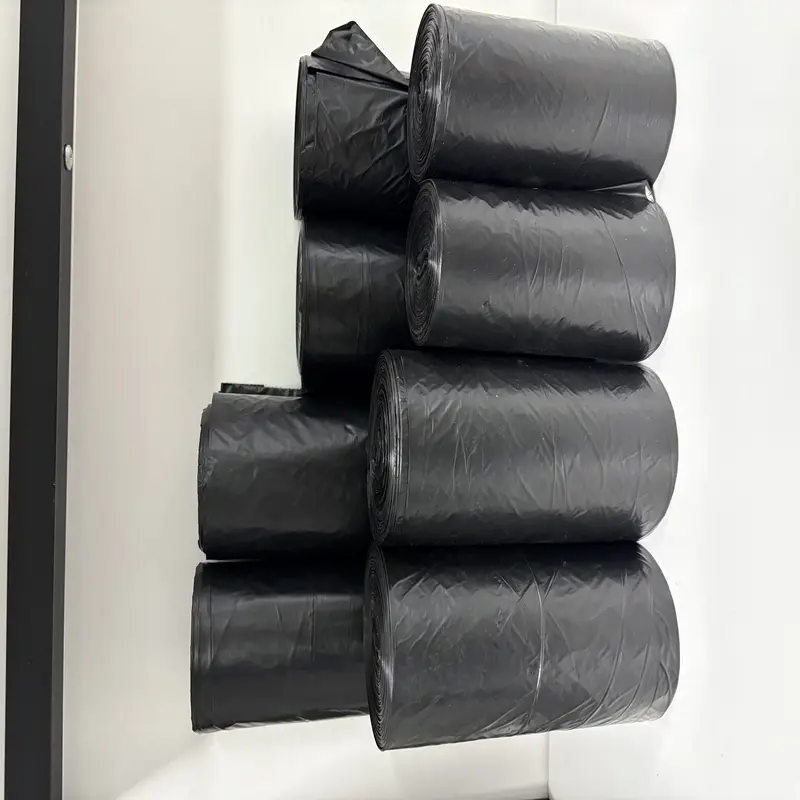
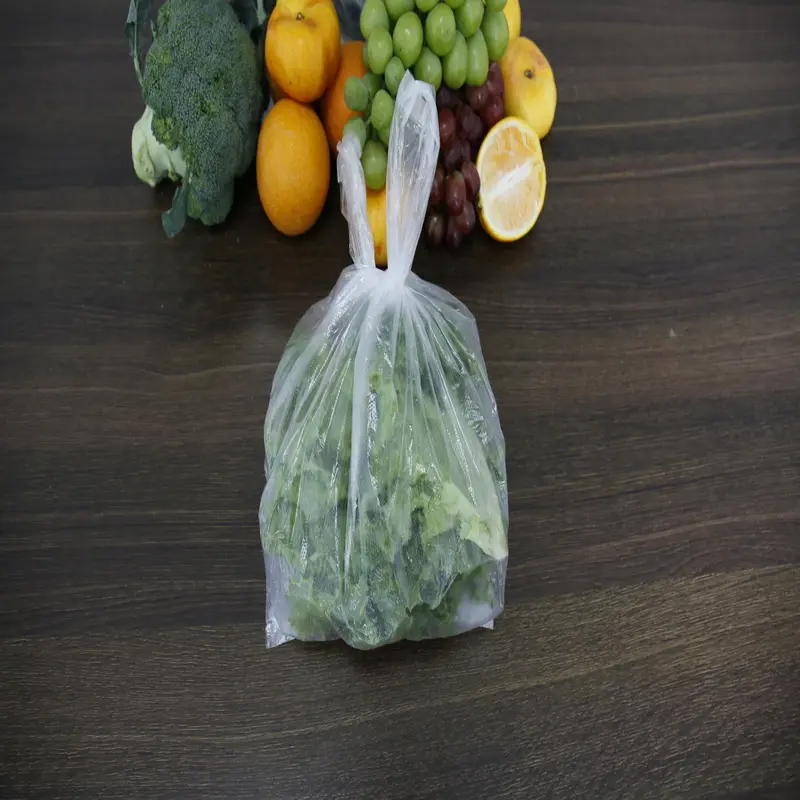
Meanwhile, Chinese supply chain company Rizhao Wanjia International SCM. Co., Ltd. has made a breakthrough in the commercialization of antimicrobial technology. The company now mass-produces antimicrobial fresh-keeping bags, Garbage Bags, and other household products that inhibit bacterial growth, extending the product's lifespan while meeting consumers' growing demand for health-centric home solutions. The market success of these categories highlights the growing potential of antimicrobial materials in everyday goods.