



Breakthrough Advancement: Polylactic Acid (PLA) Air-Textured Fiber!
Since its establishment in July 2017, Wuxi Nanda Green Environment-Friendly Materials Technology Research Institute Co., Ltd.—a spin-off manufacturing enterprise born from the industry-academia collaboration among Wuxi Industrial Group, Nanjing University, and the academician team led by Prof. Zhang Quanxing—has been dedicated to the R&D and production of "fiber-grade, high-optical-purity, high-performance" PLA resin chips and spinning products. In the pursuit of core technological breakthroughs in new materials, Nanda New Materials has successfully overcome foreign restrictions on catalyst technology, achieving full domestic localization of key production equipment, processes, and control software. Its heavy-metal-free green catalytic system and environmentally friendly polymerization technology are both pioneering innovations in China, recognized as an "emerging industry in the Taihu Lake Basin," and have contributed significantly to the autonomous development of China’s PLA fiber industry.
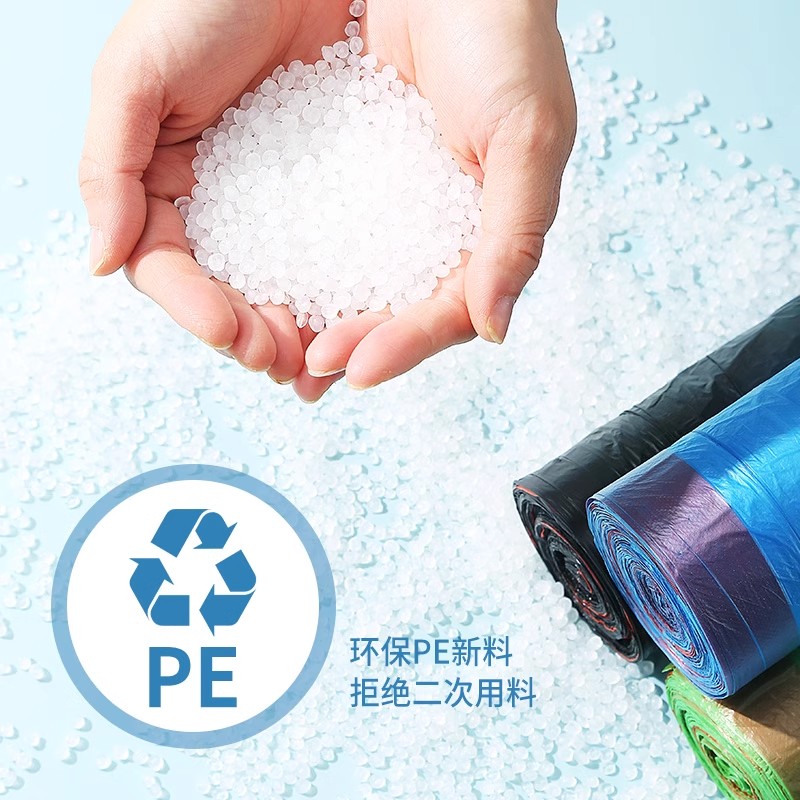
PLA is derived from renewable crops through microbial fermentation to extract lactic acid, which is then polymerized into high-molecular-weight PLA resin. High-optical-purity PLA exhibits excellent properties such as high crystallinity and strength. Fibers produced via melt spinning of PLA resin feature a unique longitudinal speckled texture and circular cross-section, providing a robust foundation for capillary effects. Further modification with additives like silica (SiO₂) or carbon nanotubes (CNTs) can endow the fibers with advanced functionalities such as radiative cooling and photothermal conversion.
PLA air-textured fiber is a high-performance bio-based fiber manufactured through specialized spinning technology. Its core advantages lie in combining PLA’s bio-based origin, biodegradability, and biocompatibility with the multi-functional properties imparted by air-texturing. Currently, Nanda New Materials can produce PLA air-textured fibers in various styles (differing in thickness, single/double ply, and low/medium/high loftiness), making them ideal replacements for petroleum-based, non-degradable conventional fibers in knitted and woven textiles.
Air-texturing technology enables torque-free fiber winding, ensuring loop consistency and stability, which grants the woven fabric excellent wrinkle resistance, durable loops, a plush and voluminous texture, and natural luster. The micro-pores or grooves formed on the fiber surface further enhance porosity and loftiness, significantly improving moisture-wicking and breathability.
The integration of PLA fiber materials and air-texturing technology results in PLA air-textured fibers with the following unique structural and performance characteristics:
-
Green & Low-Carbon: PLA, as a bio-based product, aligns with the Paris Agreement’s carbon reduction goals and is a key material under China’s "Dual Carbon" policy.
-
Biodegradability: Ester bonds in PLA’s molecular chain decompose into CO₂ and H₂O under microbial action, with controllable degradation cycles—ideal for eco-friendly textiles and medical materials, advancing the circular economy and "low-carbon city" initiatives.
-
Mechanical Performance: Air-texturing enhances loftiness and resilience, with tensile strength nearing that of polyester while maintaining low modulus, yielding fabrics with soft, draping textures.
-
Moisture Management: Grooves and pores on the fiber surface create capillary effects, outperforming traditional synthetic fibers in moisture-wicking and quick-drying—further amplified by air-texturing.
-
Skin-Friendly & Antibacterial: PLA fibers, sourced from natural renewables, are gentle on skin, mildly acidic, and exhibit antibacterial and anti-mite properties.
-
Flame Retardancy & Safety: PLA’s high limiting oxygen index (LOI 24-29) and non-toxic combustion ensure user safety.
-
Smart Responsiveness: When compounded with photothermal materials (e.g., CNTs), the fibers gain solar-driven interfacial evaporation and thermoelectric output capabilities, expanding into wearable tech with vast potential.
PLA air-textured fibers, with their versatility, are gaining prominence across industries, particularly in textiles and apparel:
-
Ideal for underwear, sportswear, and children’s clothing, offering silk-like sheen, anti-wrinkle properties, and skin comfort.
-
Excellently suited for moisture-wicking applications, with customizable loftiness for diverse air-textured fiber products.
This innovation marks a sustainable leap in fiber technology, bridging performance and eco-responsibility.