






A Comprehensive Guide to Garbage Bags: From Selection to Eco-Friendly Use
Garbage Bags have become an indispensable cleaning product in modern life, widely used in households, offices, property management, and commercial spaces. Their existence has greatly facilitated waste collection and disposal, making environmental sanitation management more efficient. However, faced with the wide variety of garbage bag products on the market, many consumers often feel confused when making purchases. This article will provide a comprehensive guide covering the types, materials, selection techniques, usage considerations, and environmental trends of garbage bags.
1. Main Types of Garbage Bags and Their Applications
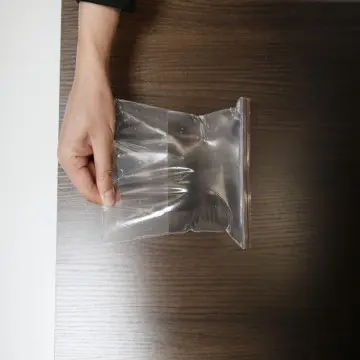
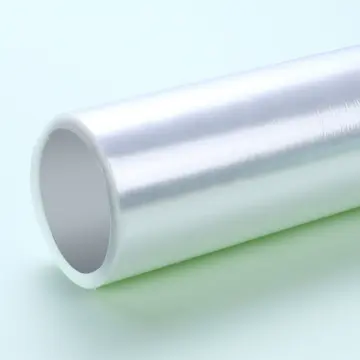
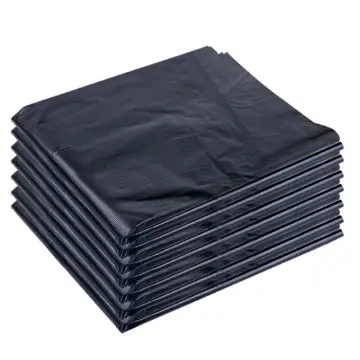
Garbage bags can be divided into three main categories based on design and function: flat-bottom garbage bags, eight-fold bottom garbage bags, and drawstring garbage bags. Flat-bottom garbage bags have a flat base without folds, offering large capacity and strong load-bearing capacity, making them suitable for large trash bins or heavy, bulky waste such as construction debris or garden waste. These bags are relatively inexpensive and economical, making them a common choice for property management and construction site cleaning.
Eight-fold bottom garbage bags feature an eight-fold design at the base, which expands to fit round or square trash bins more snugly, effectively preventing the bag from slipping or tearing. These bags have a neat appearance and excellent leak-proof performance, making them ideal for medium and small-sized trash bins, commonly seen in residential corridors, office buildings, and hotels where cleanliness and aesthetics are prioritized. Although slightly more expensive than flat-bottom bags, their snug fit and leak-proof qualities make them the preferred choice for many commercial spaces.
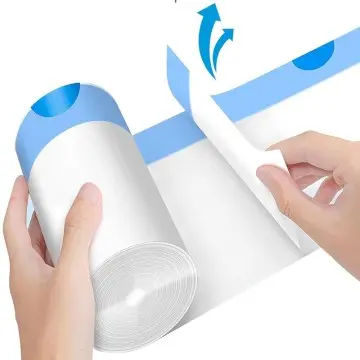
Drawstring garbage bags come with a drawstring at the opening, allowing for quick sealing and lifting, making them particularly suitable for small-capacity bins in kitchens or bathrooms. They offer good sealing performance, effectively preventing odor diffusion, but due to their limited load-bearing capacity, they are generally not suitable for heavy waste.
2. Materials and Performance of Garbage Bags
The material of a garbage bag directly affects its strength, flexibility, and environmental friendliness. Common materials on the market include high-density polyethylene (HDPE), low-density polyethylene (LDPE), and linear low-density polyethylene (LLDPE). Hdpe Bags are stiffer and have strong load-bearing capacity but are less flexible, making them suitable for dry or heavy waste. LDPE bags are softer and more tear-resistant, ideal for wet or fragile waste. LLDPE bags combine the advantages of HDPE and LDPE, offering high flexibility and puncture resistance, making them one of the most popular garbage bag materials on the market today.
In recent years, with growing environmental awareness, biodegradable garbage bags have gradually entered the mainstream. These bags are made from materials such as polylactic acid (PLA) or polybutylene adipate terephthalate (PBAT), which can decompose naturally, reducing environmental pollution. Although more expensive, biodegradable garbage bags are becoming increasingly popular in regions with strict waste sorting policies and among environmentally conscious consumers.
3. How to Choose the Right Garbage Bag
When selecting garbage bags, the first consideration should be the size of the trash bin. Small bins (10-30 liters) are best suited for drawstring or eight-fold bottom bags, medium bins (50-120 liters) can use eight-fold bottom or reinforced flat-bottom bags, while large bins (240 liters or more) require high-density flat-bottom bags to ensure load-bearing capacity. Next, choose the material based on the type of waste. Dry waste such as paper or packaging can use standard HDPE bags, wet waste like food scraps or liquids should use thickened or leak-proof coated bags, and sharp or heavy waste like glass or metal requires high-toughness LLDPE bags.
Additionally, environmental factors are an important consideration when purchasing. Although biodegradable bags are more expensive, they significantly reduce environmental pollution and are suitable for areas with strict waste sorting policies. Recycled-material bags are cheaper but slightly less durable, making them suitable for general use.
4. Usage Tips for Garbage Bags
When using garbage bags, avoid overloading them, as excessive weight may cause the bag to tear, complicating cleanup. For drawstring bags, ensure the opening is tightly sealed to prevent odors and leaks. Waste sorting is also crucial—different types of waste should use differently colored bags to facilitate recycling. Food waste, in particular, should be disposed of daily to prevent bacterial growth and odors.
5. Future Trends in Garbage Bags
With technological advancements and the growing emphasis on environmental protection, the garbage bag industry continues to innovate. The widespread use of biodegradable materials will become the norm, and smart trash bins paired with specialized garbage bags are gradually gaining popularity. Smart bins, equipped with features like motion-sensing lids and automatic bagging, further enhance cleaning efficiency, offering users a more convenient experience.
Conclusion
Though small, garbage bags play a significant role in daily life. Choosing the right garbage bag not only improves cleaning efficiency but also contributes to environmental protection. Whether for households, property management, or commercial spaces, selecting the appropriate product based on actual needs can make waste management more scientific, efficient, and eco-friendly. Through this guide, we hope you gain a comprehensive understanding of garbage bags and make more informed choices in the future.