7 Best T Shirt Garbage Bags for Bulk Buyers
Bulk buyers need more than a low unit price when selecting T-shirt Garbage Bags. They need reliable film strength, consistent sizing, practical packaging, and predictable delivery. A split bag can leave leaking waste across a kitchen, warehouse, clinic, or event site. That small failure becomes expensive when multiplied across thousands of units.
The OECD’s Global Plastics Outlook reported 353 million tonnes of plastic waste worldwide in 2019. Only about 9% was ultimately recycled. UNEP also estimates that global municipal solid waste may reach 3.8 billion tonnes annually by 2050. These figures make material efficiency and responsible disposal important purchasing considerations. However, environmental claims deserve careful review. A thinner bag is not automatically better if it tears early and requires a second bag.
Jan Dell, a chemical engineer and founder of The Last Beach Cleanup, stated, “Plastic pollution is not a waste problem; it is a design problem.” Her observation applies directly to commercial bag selection. The best T-shirt Garbage Bags balance usability, manufacturing consistency, and end-of-life realities. This guide compares seven options for bulk buyers, including recycled-content models, high-density polyethylene bags, low-density polyethylene bags, and drawstring designs. It considers thickness, load capacity, dimensions, odor control, carton efficiency, and supplier transparency. Some ratings remain subjective. Actual performance can change with temperature, sharp waste, and handling habits. Buyers should test samples before placing large orders. Small trials prevent costly assumptions.
Define T-Shirt Garbage Bags by Film Type, Gauge, Capacity, and ASTM Standards
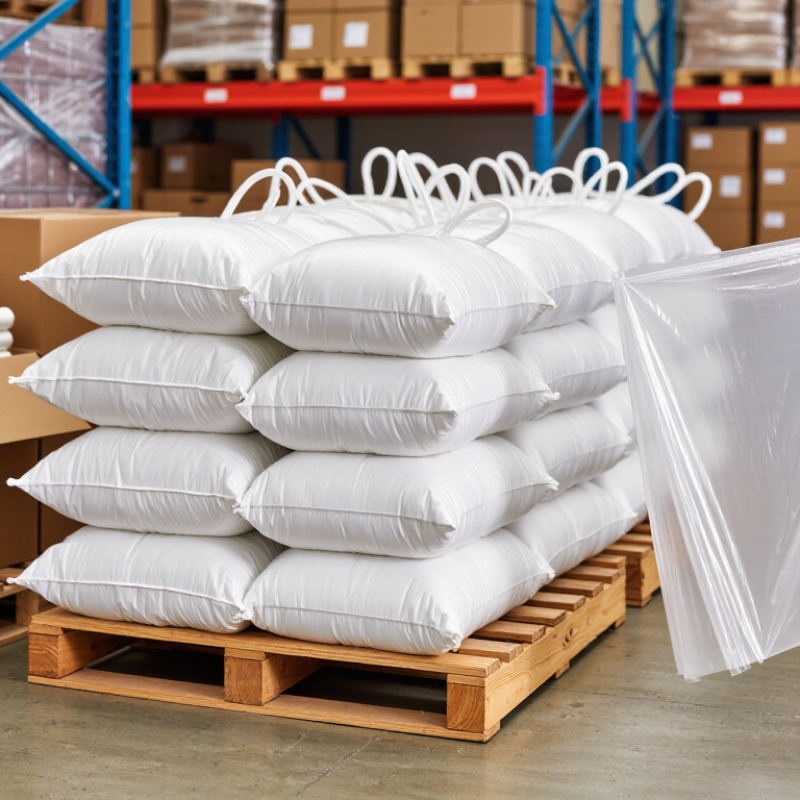
For bulk buyers, the seven best t-shirt garbage bag choices depend on the film, gauge, capacity, and testing evidence. LDPE offers flexibility and handles sharp corners well. LLDPE usually provides stronger stretch and puncture resistance. HDPE feels crisper and works efficiently for lighter, dry waste. Recycled-content film can reduce material demand, but its strength may vary between production batches. I once selected a low-cost thin film for a busy kitchen. It saved money briefly, then leaked under wet food waste.
Gauge matters, but it should not stand alone. A 0.5-mil bag may suit office paper, while a 1.0-mil or thicker bag handles heavier, damp loads more confidently. Capacity should match the container, not just the printed gallon figure. A 13-gallon bag normally fits a small indoor bin, while 33- or 55-gallon sizes suit commercial cans. Leave enough headspace for tying. T-shirt handles need clean welds and comfortable spacing.
ASTM standards help buyers compare measurable performance. ASTM D882 evaluates tensile properties, while ASTM D1709 measures resistance to impact from a falling dart. ASTM D1922 examines tear resistance. These tests describe specific properties, not guaranteed performance in every workplace. Ask for current laboratory reports, film thickness tolerances, recycled-content details, and sample cartons before ordering pallets. A compostable claim also needs careful verification, such as ASTM D6400 where applicable. “Heavy duty” sounds useful. It is not a test result. Bulk purchasing still involves judgment, because waste type, temperature, storage time, and handling habits can change actual performance.
Compare Seven Bulk Options by Cost per Bag, Case Count, MOQ, and Lead Time
For bulk buyers, seven T-shirt garbage bag options deserve a practical comparison. Option One costs $0.07 per bag, with 500 bags per case, a 20-case MOQ, and a 12-day lead time. Option Two costs $0.06 per bag, but each case holds 1,000 bags. Its MOQ reaches 30 cases, with delivery in 18 days. Option Three costs $0.09 per bag, offers 250 bags per case, and starts at 10 cases. Its estimated lead time is seven days. Option Four costs $0.065 per bag, packs 750 bags per case, and requires 25 cases. Expect about 15 days. Option Five costs $0.08 per bag, includes 500 bags per case, and has a 15-case MOQ. Lead time averages ten days. Option Six costs $0.055 per bag, with 1,200 bags per case and a 40-case MOQ. Delivery may take 21 days. Option Seven costs $0.075 per bag, packs 600 bags per case, and accepts 12 cases. Its lead time is usually nine days.
Tips: Calculate landed cost, not only unit price. Add freight, storage, inspection, and possible handling fees. Confirm bag dimensions with a filled sample. A low price can disappoint when seams split near the loading dock.
In my purchasing experience, larger cases reduce packaging waste but can strain warehouse space. Option Six looks strongest for predictable, high-volume demand. Option Three fits urgent orders better. Still, quoted lead times can shift during production peaks. I would request a written schedule and one trial case before committing. My earlier mistake was ignoring pallet height. It cost usable storage space.
7 Best T-Shirt Garbage Bags for Bulk Buyers
Compare seven anonymized bulk options by cost per bag, case count, minimum order quantity, and lead time.
Each bubble represents one anonymized bulk option. The horizontal axis shows bags per case, the vertical axis shows estimated cost per bag, bubble size represents MOQ in cases, and color indicates lead time. Lower cost and shorter lead time generally provide better purchasing efficiency.
Assess Film Strength Using ASTM D882 Tensile and ASTM D1709 Impact Tests
For bulk buyers comparing the 7 best T-shirt garbage bags, film strength needs measurable evidence. ASTM D882 measures tensile properties of thin plastic sheeting, including tensile strength, elongation, and modulus. Test samples should be cut in both machine and transverse directions. Bags can stretch differently across the film.
A strong tensile result does not guarantee puncture resistance. ASTM D1709 uses a falling dart to measure impact failure in plastic film. Method A uses a fixed dart size, while Method B uses a larger dart and different energy range.
Ask suppliers for the method, conditioning temperature, film thickness, and failure rate. Without those details, test numbers are difficult to compare. Small gaps matter.
The OECD Global Plastics Outlook reported 353 million tonnes of plastic waste worldwide in 2019, with packaging representing about 40 percent. That scale makes material efficiency important for large-volume purchasing. Thinner film may reduce cost, but weak handles or seals can create leaks during loading. In practical quality checks, I would test filled bags with rounded household waste, then compare results against laboratory data. This is not a substitute for ASTM testing. It can reveal handling problems that reports miss. ASTM values also depend on specimen preparation and conditioning, so one supplier’s number should not become an automatic pass.
Verify Compostable Claims Against ASTM D6400 and FTC Environmental Guidelines
Bulk buyers should treat “compostable” as a technical claim, not a friendly color or leaf symbol. ASTM D6400 evaluates plastic items designed for industrial composting. It covers disintegration, biodegradation, and possible toxic residues. However, ASTM D6400 is a standard, not automatic proof of certification.
Ask suppliers for current test reports, certification details, resin information, and additive disclosures. Check whether the shirt-style bags match the tested material and thickness. A thicker bag may perform better, but it can also require different testing. The FTC Environmental Guidelines expect compostable claims to be supported by reliable evidence. Buyers should also verify access to suitable composting facilities. Facilities are not everywhere. I have seen purchasing teams accept vague certificates, then discover local composters reject the bags. That mistake is expensive and avoidable.
Tips: Request the exact claim language before ordering. Confirm whether the claim means industrial composting or home composting. Test filled bags with wet food scraps for tearing and leakage. Review printing inks and closures, too. Keep supplier records. If documentation feels incomplete, pause the order. A cautious decision may delay purchasing, but a green claim without proof can damage customer trust.