How to Choose Eco Trash Bags in 2026?
How to Choose Eco Trash Bags in 2026? The answer requires more than a green label. It requires evidence, practical testing, and honest attention to disposal conditions. The OECD’s Global Plastics Outlook reported that only 9% of plastic waste was recycled globally in 2019. Its baseline projection also shows plastic waste could nearly triple by 2060. Meanwhile, UNEP reported in 2023 that the world produces more than 430 million tonnes of plastic each year, with two-thirds used briefly before becoming waste.
The bag is only one piece.
Ellen MacArthur, a leading circular-economy authority, has said, “We need to eliminate the plastic we don’t need.” That principle matters when comparing compostable, recycled, and plant-based Eco Trash Bags. A compostable bag may perform well in a certified industrial facility, but fail in a home compost pile. A recycled-content bag can reduce demand for virgin plastic, yet still require responsible disposal. Certifications, material percentages, thickness, leak resistance, and real-world reviews deserve close inspection. Look for clear claims, not vague words such as “natural” or “earth-friendly.”
I have a bias to admit. Better packaging can feel sustainable before its full life cycle is measured. That feeling can mislead. A thin bag that tears beside a wet kitchen bin creates more waste, not less. Buyers should compare durability, local collection systems, certification standards, and actual household use. The best Eco Trash Bags choice in 2026 may not be the most fashionable option. It may be the bag with modest claims, verified materials, dependable seams, and a disposal route that genuinely exists.
What Makes a Trash Bag Eco-Friendly in 2026?
In 2026, an eco-friendly trash bag means more than a green label.
It should use fewer fossil resources, create less waste, and perform reliably. I test bags with wet food scraps, coffee grounds, and a full kitchen bin. Performance matters. A thin bag that tears at the handle is not a responsible choice. It can double the waste. That detail is easy to overlook.
A thin bag that tears at the handle is not a responsible choice. It can double the waste.
Look for clear material information. Recycled plastic can reduce demand for new plastic, while certified compostable materials may suit food-waste programs. Yet “compostable” does not mean it will break down in a backyard pile. Many products need controlled heat, moisture, and time at a qualified facility.
Check your local collection system before buying. Otherwise, a well-intended purchase may still enter ordinary landfill waste. Third-party certification adds useful evidence, but it cannot replace careful disposal.
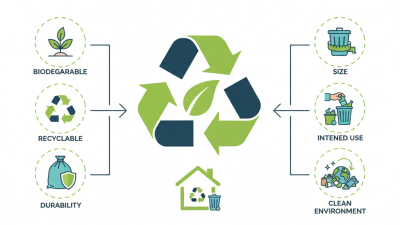
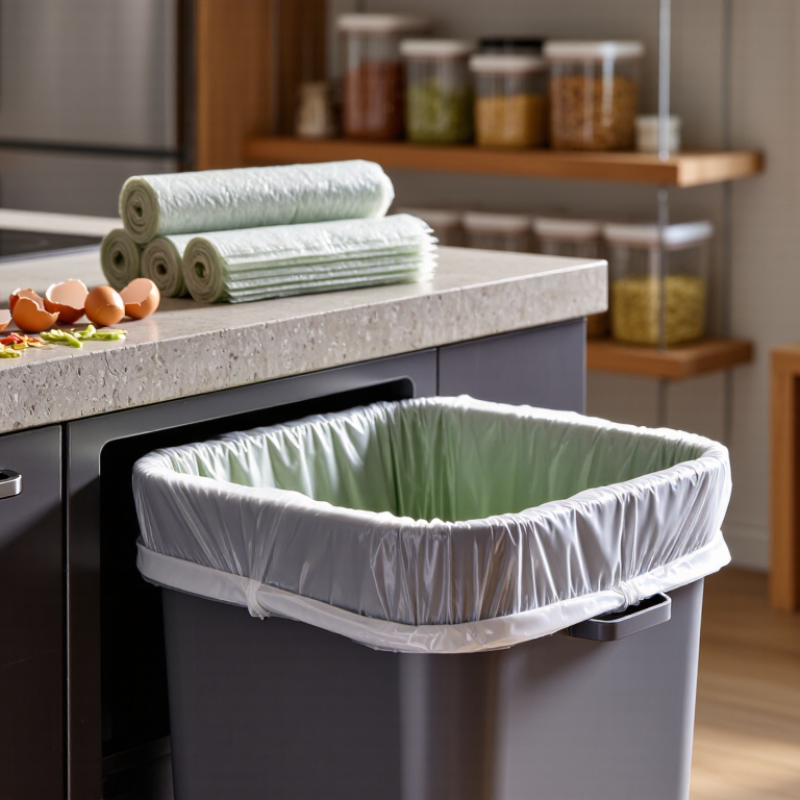
Size and strength also shape environmental performance. Choose a bag that fits the bin closely, not one that leaves excess plastic around the rim. Match thickness to the load. A small bathroom liner needs less material than a heavy kitchen bag.
Recycled content, minimal packaging, and transparent disposal instructions are positive signs.
I still question absolute claims such as “zero impact.” No bag is impact-free. The best choice balances material source, durability, transport, and end-of-life options.
That balance is not always perfect. Your local waste system may change the answer.
How to Match Bag Materials with Different Waste Types
How to Choose Eco Trash Bags in 2026?
The right trash bag starts with the waste, not its green label. I once used a thin compostable liner for wet kitchen scraps. It softened quickly and leaked near the bin. That mistake showed me why material strength and waste moisture must be matched.
For food scraps, choose certified compostable liners only where an industrial composting service accepts them. The 2024 UNEP Food Waste Index estimates that households generated 631 million tonnes of food waste in 2022. Moisture is the real challenge. A leak-resistant liner with sealed seams works better than a fragile bag. Compostable does not mean backyard-compostable. Check the local facility first.
For dry recyclables, a reusable container is often better than any disposable liner. Paper bags can suit clean, dry materials, but they fail with liquids and sharp edges. For mixed household waste, recycled-content polyethylene offers practical tear resistance and moisture protection. It may be less ideal when collection systems cannot process flexible plastics. The U.S. EPA reported 292.4 million tons of municipal solid waste in 2018, with containers and packaging forming a major share. Small choices scale quickly.
Keep bag thickness proportional to the load. A lightweight bag suits paper tissues; heavier waste needs stronger film. Do not overfill. I still sometimes do, and the result is predictable. Check local sorting rules, accepted materials, and facility conditions before buying. Industry reports provide useful direction, but local operations decide what actually works.
How to Check Certifications, Labels, and Environmental Claims
How to Choose Eco Trash Bags in 2026?
Environmental labels can look convincing, but they do not all mean the same thing. Check who issued the certification and which standard it follows. A trusted certificate should include a registration number, valid date, and clearly defined product scope. A logo without verification is only decoration.
Read the entire claim. “Compostable” may mean suitable only for industrial composting, not a backyard pile. The label should identify required temperature, moisture, and processing conditions. “Biodegradable” needs more caution. It may not explain how quickly the bag breaks down or what remains afterward. Look for testing information, not impressive-sounding promises. Read the fine print.
Recycled-content claims should state the percentage and whether it refers to the whole bag. I also check whether the certificate applies to the bag, packaging, or manufacturing site. These details are easy to miss. I once trusted a familiar-looking environmental symbol and later found it covered only the outer package. That mistake changed my buying routine. When information is vague, contact the seller for test reports and certification documents. Keep screenshots or records, especially for workplace purchasing. Claims can change. A transparent supplier should explain disposal instructions without avoiding difficult questions. Sometimes, the most responsible choice is a bag with fewer claims and clearer evidence.
How to Choose the Right Size, Strength, and Cost for Your Needs
How to Choose Eco Trash Bags in 2026?
How to Choose the Right Size, Strength, and Cost for Your Needs
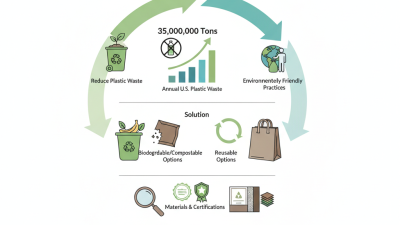
An eco trash bag is not automatically the best choice. The U.S. Environmental Protection Agency reported 292.4 million tons of municipal solid waste in 2018. Plastics represented 35.7 million tons, or 12.2 percent. The OECD Global Plastics Outlook found global plastic waste reached 353 million tonnes in 2019. Only 9 percent was recycled. These figures make waste prevention and correct bag selection more practical than green-sounding packaging alone.
Measure the bin’s rim and height, then add 10 to 15 centimeters for a secure fold.
A 30-liter kitchen bin usually needs a 35- to 40-liter bag. Do not stretch it over a full container. I have learned that a slightly larger bag often prevents leaks, but oversized liners waste material. For wet food scraps, choose a thicker film and a sealed base. For paper or dry packaging, a lighter bag may work. Check the stated load rating, not just thickness.
Cost needs a wider calculation.
Divide the pack price by usable bags, then include double-bagging, leakage, and cleaning time. ASTM D6400 or EN 13432 certification can support industrial-composting claims, but neither standard guarantees local acceptance. That detail is easy to miss. A compostable bag may still be rejected. Ask the waste operator before paying more. I would test ten bags at home, because published claims may not match sharp cans, damp waste, or hurried tying.