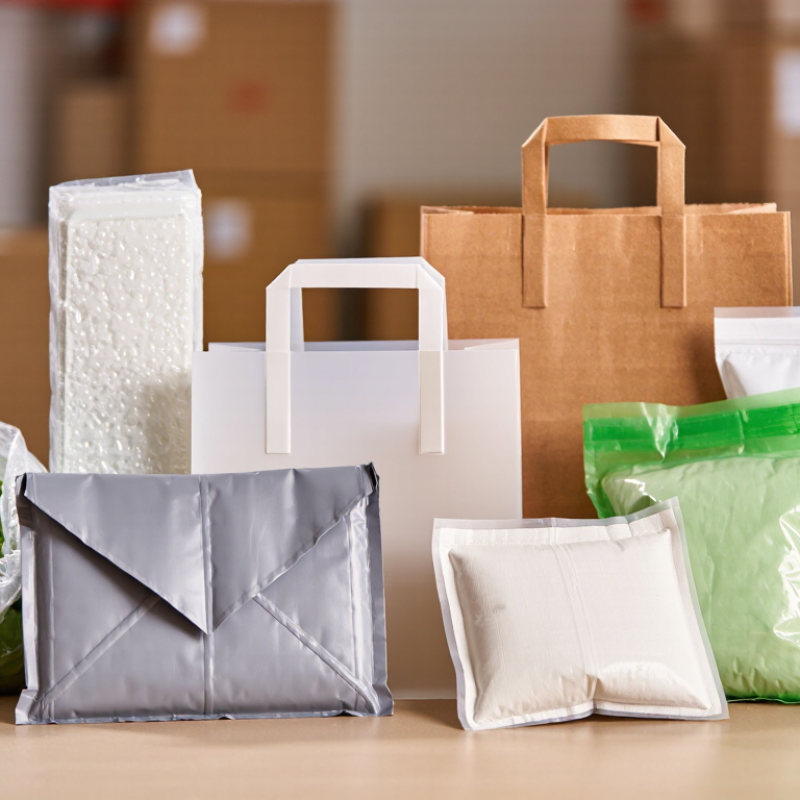
For global buyers, choosing the right Disposable Bags in 2026 will require more than comparing unit prices. Packaging performance must match the product, distribution route, climate, and customer expectations. A lightweight produce bag may suit fresh vegetables, while a reinforced courier bag may better protect clothing during long-distance delivery. Small details matter.
This guide examines leading disposable bag types, including paper bags, plastic shopping bags, compostable bags, mailer bags, freezer bags, and food-service packaging. It considers material strength, leak resistance, handle design, sealing quality, storage space, and printing options. Buyers should also review supplier documentation, product testing, and regional packaging requirements before placing large orders. A bag that performs well in a dry warehouse may soften in humid transport conditions.
Sustainability will remain important, but it should not become a simple marketing label. Recycled content, certified compostability, responsible sourcing, and realistic disposal systems require careful verification. Some “green” options may need special facilities that customers cannot access. That weakness deserves attention. Cost calculations should include damaged goods, shipping volume, storage, and replacement rates. Reliable suppliers can provide samples, technical specifications, batch consistency, and clear communication. However, even experienced buyers should test products in real conditions. This overview offers a practical starting point for selecting Disposable Bags with greater confidence, while recognizing that no single bag type suits every market.
Disposable bags are single-use carriers designed for short-term storage, transport, or hygiene protection. Common options include plastic, paper, compostable, and recycled-content bags. Their suitable choice depends on weight, moisture, temperature, and disposal access.
Global buyers need these bags in 2026 because retail, food service, healthcare, and e-commerce demand clean, convenient packaging. A bakery may need grease-resistant bags, while an online seller may require strong mailers with reliable seals. Lightweight designs can reduce shipping volume. However, disposal systems differ widely between countries. A bag labeled compostable may not break down in ordinary landfill conditions. This detail is often overlooked. A perfect packaging answer does not exist.
Tips: Check the bag’s material, thickness, load capacity, and seal strength before ordering. Request test reports and clear product specifications from suppliers. Confirm whether recycled or compostable claims match the destination market’s requirements. Small trial orders can reveal tearing, odor, moisture leakage, or poor handle comfort. Do not judge quality by appearance alone. Ask how the material performs after storage in heat and humidity. This practical step can prevent costly complaints and unnecessary waste.
Disposable bags remain widely used in retail, food service, produce packaging, waste collection, and e-commerce. The chart compares representative unit weights for commonly purchased bag types, helping buyers evaluate material use, shipping efficiency, and application suitability.
Data shown are representative commercial specification midpoints in grams per bag; actual weight varies by size, thickness, load capacity, and applicable local standards. Disposable plastic, paper, compostable, and reusable-style PP bags are compared as commonly encountered purchasing categories rather than by company or brand.
Global buyers usually classify disposable bags in two ways: by material and by function. Material affects strength, moisture resistance, sealing performance, and disposal conditions. Low-density polyethylene bags feel soft and flexible. They suit lightweight goods, liners, and produce. High-density polyethylene bags are thinner but often stronger for everyday carrying. Polypropylene bags resist tearing and handle warmer contents better.
Paper bags offer a different balance. They provide a firm shape and a natural surface for printing. However, moisture can weaken untreated paper quickly. Compostable bags may use plant-based polymers or fiber blends. Their performance depends on thickness, storage, and certified processing facilities. “Compostable” does not always mean home compostable. Buyers should check test standards and local waste systems.
Function creates another useful classification. Retail carry bags need handles and reliable seams. Produce bags need visibility, ventilation, and easy opening. Garbage bags require controlled thickness, puncture resistance, and leak protection. Food-contact bags demand suitable materials and clean production practices. Medical waste bags need clear identification and appropriate closure systems. Some categories overlap. A thick polyethylene liner may serve retail, food, or waste handling, depending on design. Real purchasing decisions are rarely perfect. I have found that color, roll format, and opening size can affect labor more than expected. Buyers should test filled bags, not empty samples. Small failures become expensive at scale.
Choosing the right disposable bag depends on the product, handling process, and disposal conditions. Different industries need different protection.
Food processors often use clear polyethylene bags for produce, bakery items, and frozen goods. Low-density bags offer flexibility, while thicker formats resist punctures from bones or sharp packaging edges. Restaurants may prefer gusseted liners for bins and ingredient containers. In packaging trials, a simple seal check and a filled drop test often reveal weaknesses that specifications miss. Small details matter.
Healthcare facilities require bags with clear color coding, secure closures, and suitable resistance to leaks. Retail stores may choose lightweight carry bags, while e-commerce operations often need tear-resistant mailing bags with strong adhesive seals. Agriculture suppliers commonly select UV-resistant sacks for soil, feed, or harvested produce. Compostable bags can suit controlled organic-waste programs, but only when local collection systems accept them. Compostable does not mean suitable everywhere.
Application comes first.
Buyers should verify thickness, load capacity, temperature tolerance, and contact-safety documentation before ordering. Recycled content may reduce material demand, yet it can affect clarity or strength in some applications. That trade-off deserves testing, not assumptions. A cheaper bag can create higher costs through leakage, rejected shipments, or difficult disposal. Packaging teams should also inspect supplier consistency across production batches. Even a well-designed bag may fail when storage is hot, humid, or poorly managed.
Global buyers comparing disposable bags should test performance before chasing the lowest quotation. Common options include virgin polyethylene, recycled polyethylene, paper, and certified compostable bags. Each performs differently under moisture, heat, weight, and repeated handling. Check tensile strength, puncture resistance, seal integrity, thickness consistency, and odor. Small defects create large costs.
Cost needs a wider lens. Compare material price, factory yield, packaging volume, freight, duties, inspection, and failure rates. A thinner bag may reduce resin use, yet it can tear during packing. Recycled content may also require tighter process control. The OECD’s Global Plastics Outlook (2022) reported 353 million tonnes of plastic waste in 2019, with only 9% recycled. That figure makes cheap disposal a poor long-term strategy.
Sustainability claims require evidence. Ask for recycled-content verification, production data, and clear end-of-life instructions. Compostable bags are not automatically greener; they often need suitable industrial composting systems. Paper can support fiber recovery, but coatings and wet conditions complicate recycling. UNEP’s Turning off the Tap report (2023) estimated that plastic pollution could fall 80% by 2040 through reuse, recycling, and redesign. The comparison is not clean. Local waste systems matter more than attractive labels. Buyers should request samples, run filled-bag trials, and compare cost per successful delivery, not cost per unit. Mistakes still happen. A practical scorecard helps expose them.
In 2026, global buyers will judge disposable bags by evidence, not appearance. Common formats include produce bags, checkout carriers, refuse liners, and courier mailers. Each needs a different test plan. A thin produce bag may need food-contact documentation, odor control, and reliable tear resistance. A refuse liner needs puncture strength, leak protection, and stable seals. Small differences matter.
Supplier evaluation should cover material composition, recycled-content records, chemical declarations, migration testing, and batch traceability. Ask for reports from competent laboratories, using methods relevant to the destination market. For compostable products, compare applicable frameworks such as EN 13432, ASTM D6400, or ISO 18606. Composting access must also exist. A logo alone proves little. In audits, I have found that certificates can remain valid while production quality drifts. Retain samples and test incoming lots. This adds cost, but weak control costs more.
Key 2026 trends will include thinner designs, mono-material structures, water-based inks, and digital records linking bags to raw materials. Buyers are comparing carbon data, recycled content, and end-of-life options instead of choosing the lowest unit price. Regional sourcing may reduce transport emissions, yet factory quality can vary. No sourcing plan is perfect. A practical scorecard should balance performance, verified claims, worker safety, price, and local waste infrastructure. The uncomfortable question is simple: will the bag be managed correctly after use? Many procurement teams still cannot answer it.
A practical sourcing comparison of major disposable bag formats, materials, compliance considerations, and 2026 market trends.
| Bag Type | Typical Material Structure | Typical Thickness / Format | Best-Fit Applications | Main Sourcing Advantages | Key Limitations or Risks | Relevant Standards / Compliance Checks | 2026 Buyer Outlook |
|---|---|---|---|---|---|---|---|
| LDPE / LLDPE Flat Bags | Low-density or linear-low-density polyethylene; mono-material film is commonly used. | Approximately 20–80 microns; open-top, wicketed, or heat-sealed formats. | Garments, spare parts, bakery items, general retail packaging, and light industrial products. | Flexible, moisture-resistant, lightweight, and suitable for high-speed film conversion. | Low stiffness; thin films can be difficult to collect and recycle where flexible-film infrastructure is limited. | Food-contact rules in the destination market; packaging composition, recyclability, labeling, and extended producer responsibility requirements. | Strong demand for downgauged mono-material designs, recycled content where legally permitted, and clear disposal instructions. |
| HDPE T-Shirt / Vest Bags | High-density polyethylene film, usually produced with side gussets and die-cut handles. | Approximately 7–35 microns; high-volume vest-bag format. | Retail carryout, takeaway food, household goods, and lightweight convenience packaging. | Low material usage, good stiffness-to-weight ratio, efficient nesting, and low transport volume. | Many jurisdictions restrict or tax lightweight carrier bags; puncture resistance can be limited at very low gauges. | Destination-country carrier-bag restrictions, minimum-thickness rules, recycled-content obligations, and local labeling requirements. | Demand is shifting toward thicker reusable carrier formats, recycled-content grades, and paper or certified compostable alternatives where required. |
| PP Woven Bags | Woven polypropylene tapes with optional lamination, liner, valve, or stitched handles. | Commonly around 60–120 gsm fabric, with construction varying by load requirement. | Agricultural products, pet food, construction materials, chemicals, and bulk commodities. | High load-bearing capacity, tear resistance, stackability, and suitability for automated filling. | Multi-material laminations and sewn components can complicate recycling; not suitable for every liquid or fine-powder application. | Packaging waste rules, chemical or food-contact requirements, UN packaging rules when applicable to dangerous goods, and transport testing. | More mono-material construction, recyclable coatings, lighter designs, and traceable recycled polymer content are becoming procurement priorities. |
| Paper SOS / Kraft Bags | One or more layers of kraft paper; may include twisted-paper handles, gussets, or a functional coating. | Often approximately 60–120 gsm per paper layer, depending on load and design. | Retail shopping, takeaway food, bakery products, and dry goods. | Paper-based appearance, good printability, renewable-fiber potential, and established paper recycling streams in many markets. | Lower wet strength than plastic; coatings, inks, handles, and food contamination may affect recycling compatibility. | Paper fiber sourcing, food-contact requirements, recycling claims, coating composition, and responsible-forestry documentation where requested. | Continued growth for retail and foodservice, with increased attention to fiber yield, barrier coatings, handle durability, and verified environmental claims. |
| Compostable Film Bags | Certified compostable polymers such as PLA, PBAT blends, starch-based compounds, or other approved compostable formulations. | Commonly approximately 15–50 microns for liners and lightweight packaging. | Organic-waste liners, selected foodservice uses, produce bags, and applications linked to controlled composting systems. | Can support organic-waste collection when accepted by the local composting system; helps avoid conventional plastic contamination in some programs. | Industrial compostability does not mean home compostability; weak collection infrastructure can cause contamination or disposal in landfill. | EN 13432, ASTM D6400, ASTM D6868, or ISO 17088 as applicable; certification scope, disintegration, ecotoxicity, and local labeling must be verified. | Growth will be concentrated in applications with verified composting access, while unsupported “biodegradable” claims face stronger scrutiny. |
| Recycled-Content PE Bags | Post-consumer or post-industrial recycled polyethylene blended with virgin PE to meet performance requirements. | Approximately 20–100 microns, depending on strength, opacity, and application. | Garment bags, e-commerce mailer bags, refuse liners, retail packaging, and non-food-contact applications. | Reduces reliance on virgin resin and can support recycled-content targets while retaining familiar PE converting processes. | Color, odor, gels, contamination, and variable mechanical performance may affect quality; food-contact use requires specific authorization. | Recycled-content chain of custody, mass-balance or physical-recycling evidence, food-contact authorization where relevant, and recycled-content claim rules. | One of the most practical transition options for buyers seeking lower virgin-plastic use without changing existing PE packaging systems. |
| Paper–PE / Paper–Barrier Laminated Bags | Paper combined with a polyethylene, metallized, or other functional barrier layer. | Usually designed as lightweight pouches or bags; total basis weight varies by barrier and strength requirements. | Coffee, snacks, frozen products, pet food, powdered goods, and moisture-sensitive products. | Improved oxygen, grease, aroma, or moisture protection compared with uncoated paper. | Mixed materials can reduce recyclability unless the structure is accepted by the target paper or plastic recycling system. | Packaging recyclability assessment, food-contact compliance, coating and adhesive declarations, and accurate disposal labeling. | Buyers are moving toward fiber-based structures with easily separable or recyclable barriers and documented end-of-life pathways. |
| Heavy-Duty Reusable-Style Carrier Bags | Thicker PE, non-woven polypropylene, woven polypropylene, or durable paper construction. | Often above lightweight-carrier thickness thresholds; exact requirements vary by jurisdiction and design. | Retail carryout, apparel, home goods, and applications requiring greater carrying capacity. | Higher durability, improved load performance, and potential for repeated use when the construction and consumer behavior support it. | A thicker bag is not automatically reusable in practice; excessive material use can undermine environmental performance. | Local definitions of reusable bags, minimum durability tests, carrier-bag fees or bans, recycled-content rules, and labeling obligations. | Demand will favor measurable durability, repair or reuse potential, recycled content, and transparent life-cycle evidence rather than vague “eco” claims. |

2026 Sourcing Priorities for Global Buyers
Confirm the destination-market rules before selecting a material. In the European Union, the Packaging and Packaging Waste Regulation (EU) 2025/40 entered into force in February 2025 and is generally scheduled to apply from 12 August 2026. Buyers should also verify packaging recyclability, recycled-content evidence, food-contact suitability, chemical declarations, producer-responsibility obligations, and whether the claimed disposal route actually exists in the target market.
Note: Thickness, basis weight, recycled content, and performance ranges are typical procurement ranges rather than universal legal limits. Applicable requirements depend on the destination country, product category, intended use, and local waste-management infrastructure.