Best Disposable Aprons for Global Buyers in 2026?
In 2026, the demand for Disposable Aprons among global buyers is expected to rise significantly. These aprons serve multiple industries, including healthcare, food service, and hospitality. They offer convenience and hygiene, protecting users from spills and contaminants. As we explore the best options available, it is essential to focus on quality and material.
Choosing the right Disposable Apron can be challenging. Not all products meet necessary safety and environmental standards. Buyers should consider factors like durability and comfort. Some disposable aprons tear easily, which can compromise protection. Reflecting on personal experiences can guide better choices.
As buyers navigate various brands and options, informed decisions become crucial. The market is filled with choices, yet not all are reliable. It's vital to seek reviews and expert recommendations. This will ensure the selected Disposable Apron meets both functional and ethical standards. Quality should not be overlooked in favor of price.

Factors Driving the Demand for Disposable Aprons Globally by 2026
The demand for disposable aprons is rapidly increasing due to several driving factors. First, the surge in the foodservice industry significantly contributes to this trend. A report from Allied Market Research notes that the global foodservice sector is projected to reach $4 trillion by 2026. This growth leads to higher demand for hygienic food handling practices, creating a need for disposable aprons.
Moreover, the rising awareness of health and safety standards plays a vital role. Recent statistics show that 72% of consumers are more concerned about hygiene than ever before. As a result, food establishments are adopting disposable aprons to ensure cleanliness. This shift is evident not only in restaurants but also in catering services and food processing centers.
In addition, the healthcare sector's expansion impacts disposable apron requirements. The global healthcare market is expected to grow significantly by 2030. Hospitals and clinics consistently seek reliable protective wear to prevent contamination. The increasing awareness of infection control among patients and staff drives the growth of disposable aprons in these environments. This evolving landscape indicates ongoing opportunities for innovation and improvement in disposable apron manufacturing.
Market Analysis: Key Regions and Their Contribution to Disposable Apron Sales
The disposable apron market is evolving rapidly. Various regions show distinct trends that impact global sales. Understanding these trends helps manufacturers and buyers alike.
North America leads in disposable apron consumption. Factors include heightened health standards and food safety regulations. The demand is especially strong in healthcare and foodservice industries. In contrast, Europe emphasizes sustainable materials. Eco-friendly options are gaining traction among consumers. Countries like Germany and France focus on reducing plastic waste.
Asia presents a mixed landscape. Rapid industrialization drives growth in manufacturing sectors. However, cultural preferences influence apron designs. Many regions still prioritize traditional fabrics over disposables. This discrepancy creates opportunities for innovation. Challenges also exist, such as varying regulations across countries. Market players need to adapt strategies accordingly. It's crucial to embrace flexibility in this dynamic arena.
Best Disposable Aprons: Market Analysis for Global Buyers in 2026
Material Innovations: Eco-friendly and Biodegradable Options in 2026
As the world continues to prioritize sustainability, disposable aprons are evolving. Eco-friendly and biodegradable materials are set to dominate the market in 2026. Traditional plastic aprons are being replaced by innovative materials derived from plants. These new options break down naturally, reducing waste.
Manufacturers are experimenting with various substances. Cornstarch and recycled paper are gaining attention. These materials offer durability without compromising the environment. Users have reported mixed experiences with these alternatives. Some find them less reliable in high-moisture situations. However, the trade-off for sustainability is significant.
Maintaining hygiene remains critical, even with eco-friendly options. Many disposable aprons now feature antimicrobial properties. Yet, questions linger about their effectiveness. Regular testing must be a priority for manufacturers. The future of disposable aprons looks promising, but consumers should stay informed. Making conscious choices involves both understanding and adapting to new materials.
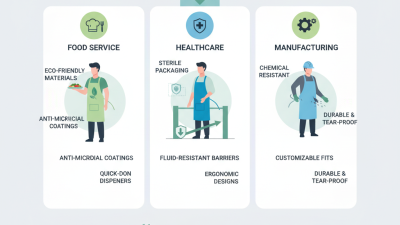
Industry Applications: Healthcare, Food Service, and Beyond
In 2026, the demand for disposable aprons is expected to rise significantly across various industries. The healthcare sector, for example, is emphasizing hygiene to prevent infections. A report by Grand View Research reveals that the global disposable apron market size is projected to reach $6.7 billion by 2028, growing at a CAGR of over 5% from 2021. Hospitals, clinics, and laboratories increasingly rely on disposable aprons for infection control, ensuring both patient and staff safety.
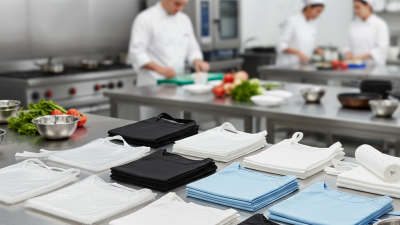
The food service industry is also a key player. According to IBISWorld, demand for disposable items in food preparation has increased by 10% annually. Disposable aprons protect workers from spills and stains while maintaining food safety standards. Yet, concerns over environmental impacts linger. The challenge is balancing convenience with sustainability. As more businesses strive to adopt eco-friendly options, the pressure mounts on manufacturers to innovate.
Education and training programs have become essential for proper disposal and recycling practices. Workers must understand how to use disposable aprons effectively. Instilling good habits can prevent contamination and promote safety. Businesses also face the challenge of cost-management while ensuring quality. As these industry applications evolve, so must the approaches to disposable apron use and disposal.
Projected Growth Trends: Forecasting the Disposable Apron Market by 2026
The disposable apron market is projected to grow significantly by 2026. Increased hygiene awareness drives this demand across various sectors. For instance, the market is estimated to reach a value of USD 7 billion by 2026. The growth is influenced by the food service and healthcare industries. Many restaurants and medical facilities prioritize cleanliness and safety.
Tips: Always choose aprons that meet your specific needs. Consider materials that offer fluid resistance, especially in food handling. The right thickness also matters for durability and comfort.
The trend towards environmentally friendly products is also noticeable. Many manufacturers are shifting to biodegradable options. This aligns with consumer preferences for sustainable solutions. However, not all biodegradable products are equal in quality. Research is crucial to identify reliable suppliers.
Tips: Look for certifications when purchasing. These can indicate the product's environmental and safety standards. Always verify the manufacturing processes to ensure compliance.
Best Disposable Aprons for Global Buyers in 2026? - Projected Growth Trends: Forecasting the Disposable Apron Market by 2026
| Region |
Market Size (Million USD) |
Growth Rate (%) |
Key Drivers |
| North America |
250 |
5.5 |
Healthcare, Food Safety Regulations |
| Europe |
200 |
4.8 |
Hospitality Sector Growth |
| Asia-Pacific |
300 |
7.2 |
Rising Healthcare Expenditure |
| Latin America |
120 |
3.6 |
Food Service Industry Growth |
| Middle East & Africa |
80 |
2.9 |
Expanding Healthcare Facilities |