Best Eco Trash Bags for Sustainable Living Choices?
As our planet faces increasing environmental challenges, the demand for Eco Trash Bags is rising. These products aim to minimize waste and reduce our carbon footprint. According to a recent report by Green Products Association, the eco-friendly packaging market is forecasted to grow by 15% annually. This growth highlights a shift toward sustainable living choices.
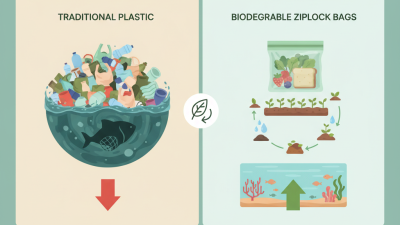
Industry expert Dr. Emily Carter emphasizes the importance of responsible waste management. She states, "Eco Trash Bags are not just a choice; they are a necessity in our commitment to sustainability." Many consumers are still unaware of the significant impact their choices can have on the environment. Traditional plastic bags persist in landfills, taking hundreds of years to decompose, while eco-friendly options often break down much faster.
However, choosing the right Eco Trash Bags can be confusing. Some products claim to be eco-friendly but may not live up to their promises. Research shows that a lack of regulations leads to greenwashing. As consumers, we must stay vigilant and informed about the products we choose. Sustainable living starts with small, thoughtful decisions.
Best Eco Trash Bags: An Overview of Sustainable Material Options
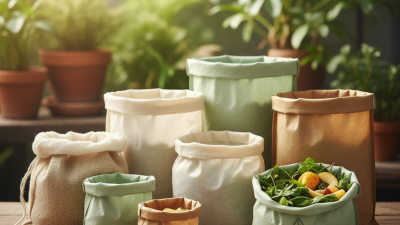
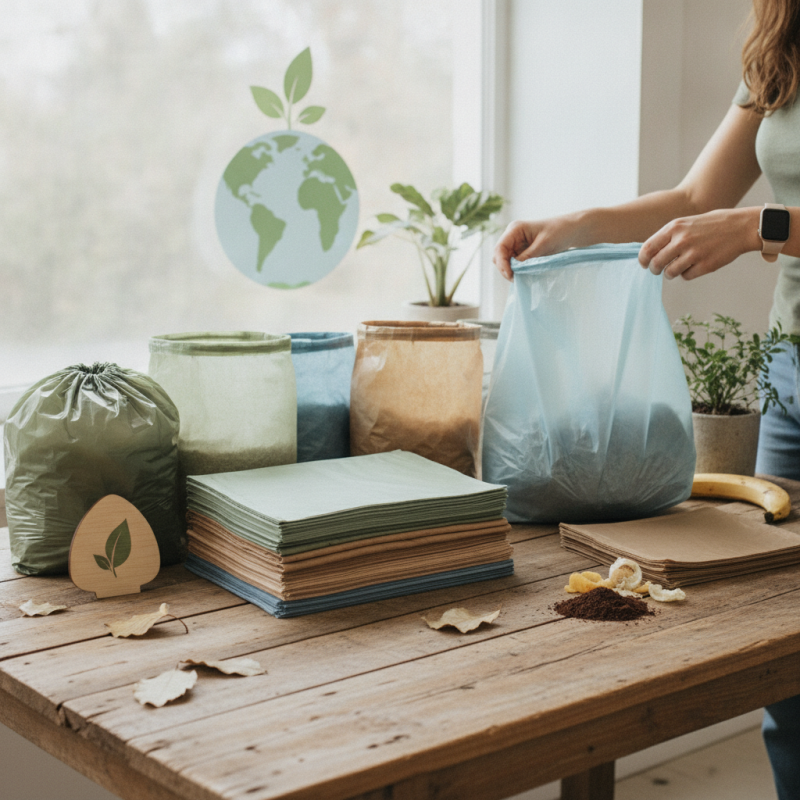
When choosing eco trash bags, understanding sustainable materials is crucial. Many options are available today that minimize environmental impact. For example, biodegradable bags made from cornstarch or plant-based polymers break down more quickly than traditional plastic. According to a study by the Biodegradable Products Institute, these bags can decompose in months, reducing landfill contributions.
Recycled paper bags are another option. They are an excellent choice for composting and are often less damaging to wildlife. However, they still require resources to produce, and the recycling process can consume energy. Choosing bags made from post-consumer waste helps support a circular economy. A report by the Environmental Protection Agency highlighted that using recycled materials conserves energy and reduces greenhouse gas emissions.
It's important to consider the trade-offs in these materials. Some biodegradable bags still require specific conditions to break down, which may not be present in standard landfills. The shift towards eco-friendly trash bags is a step in the right direction, but consumers should remain aware of the limitations. Understanding these aspects can guide more responsible choices.
Comparative Analysis of Biodegradable vs. Compostable Trash Bags
When debating biodegradable versus compostable trash bags, it's essential to understand key differences.
Biodegradable bags break down through natural processes but can take years to do so. Reports indicate that many biodegradable options may still end up in landfills, where they decompose slower due to lack of oxygen.
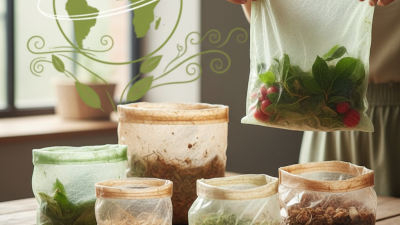
On the other hand, compostable bags are designed to break down in a compost environment, typically within 90 to 180 days. The Biodegradable Products Institute states that these bags must meet specific standards to qualify as compostable. They must completely convert to organic matter, leaving no toxic residue behind. However, many consumers misunderstand this process, leading them to place these bags in regular trash instead of compost bins.
Another concern arises with material sourcing. Some compostable bags are derived from crops like corn or sugarcane. While this appears sustainable, it can compete with food production. Moreover, if not disposed of properly, they may contribute to pollution. It's crucial for consumers to reflect on these aspects when choosing eco-friendly options. The right choice depends on individual needs and local waste disposal capabilities.
Impact of Eco Trash Bags on Landfill Waste Reduction Statistics
Eco trash bags play a crucial role in landfill waste reduction. They are designed to break down more quickly than traditional plastic bags. This decomposition process can significantly lessen the amount of waste piling up in landfills. In fact, studies show that using these bags can cut waste volume by a notable percentage over time. However, it’s essential to note that not all eco bags are created equal. Some still rely on materials that may not fully degrade.
Landfills are notorious for their environmental impact. Traditional plastic bags take hundreds of years to decompose, contributing to pollution. Eco trash bags, made from biodegradable materials, aim to address this issue. While their effectiveness varies, proper disposal methods can enhance their performance. Unfortunately, many consumers remain unaware of these details. There's still a long way to go in public education and awareness regarding sustainable choices.
Choosing eco trash bags is a step towards more sustainable living. Yet, individuals often overlook their carbon footprint beyond waste disposal. The production processes of these bags, while more conscious, can still involve energy-intensive steps. This is where consumers must reflect. Sustainable living encompasses broader choices, from waste management to energy use. Awareness and education about these nuances can empower people to make better choices for the planet.
Impact of Eco Trash Bags on Landfill Waste Reduction
Cost-Effectiveness of Eco-Friendly Trash Bags in the Long Run
When considering eco-friendly trash bags, cost-effectiveness is vital. Many consumers expect higher prices for sustainable products. However, long-term savings can offset initial costs. Studies show that biodegradable bags can reduce landfill waste significantly. This reduction can lower disposal costs for municipalities. A report from the EPA indicates that efficient waste management can save communities up to $50 per ton when using eco-friendly options.
It's crucial to evaluate durability against cost. Some biodegradable bags break down faster than traditional options. This may necessitate more frequent purchases, impacting overall savings. Research from the Green Blue Institute reveals that switching to eco-friendly options can lead to a 30% decrease in carbon footprint. However, a balance must be found. Users often need to adapt their disposal habits to maximize benefits.
Embracing eco-friendly trash bags involves commitment. Consumers may face challenges in terms of availability and performance. Some users report frustrations with leaks or tears. While eco-friendly products aim to minimize environmental impact, they may not always meet performance expectations. This gap highlights the need for ongoing innovation in the industry. As sustainable materials advance, the cost-effectiveness will likely improve, making it easier for consumers to make responsible choices.
Consumer Trends and Preferences in Sustainable Trash Bag Purchases
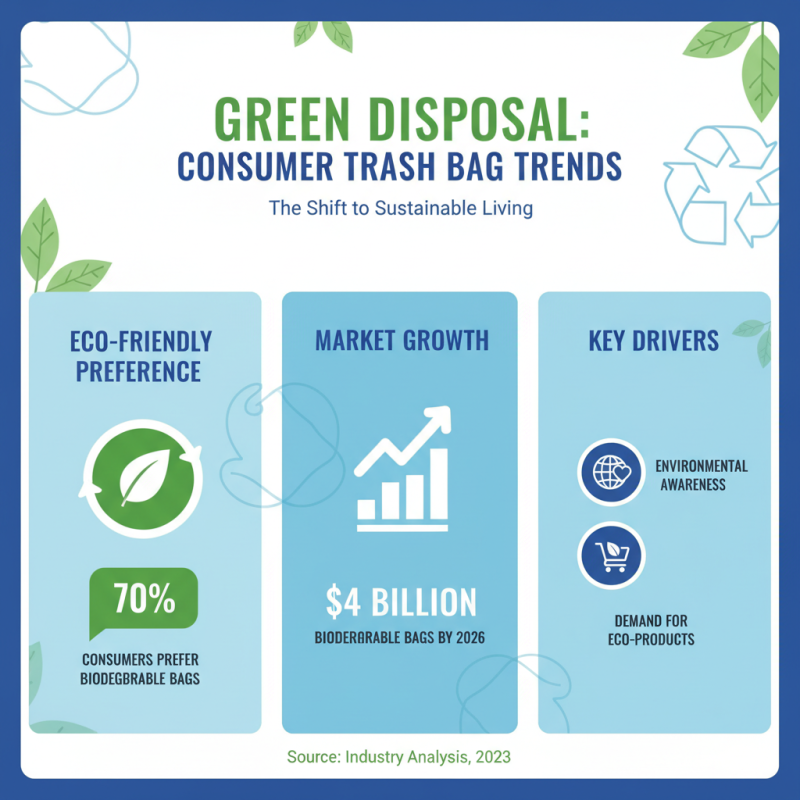
The trend toward sustainable living is influencing consumer choices, especially when it comes to trash bags. A recent survey found that over 70% of consumers prefer bags made from biodegradable materials. The shift is fueled by growing environmental awareness and the demand for eco-friendly products. In fact, the biodegradable trash bag market is projected to reach $4 billion by 2026, according to industry analysts.
Consumers are drawn to products that contribute to a healthier planet. Factors such as sustainability certifications and effective waste management capabilities play crucial roles in their purchasing decisions. A study indicated that 65% of consumers would spend more on eco-friendly bags, highlighting their commitment to reducing plastic waste. However, many still struggle with the idea of higher costs, reflecting a gap between intentions and actions.
Tips: Consider checking for third-party certifications when selecting eco-friendly bags. These guarantee that the product meets environmental standards. Additionally, evaluate your waste disposal habits. Adopting a more conscientious approach can lead to better choices. Reflect on whether your trash bag choices truly align with your sustainable living goals.