Best Food Plastic Wrap Options for Safe Freshness and Storage?
When it comes to preserving food freshness, Food Plastic Wrap plays a crucial role. Selecting the right type of wrap can make a noticeable difference in how well your ingredients are stored. With various options available, it’s essential to understand the unique benefits of each type.
Using Food Plastic Wrap correctly can extend shelf life and maintain flavor. The transparency of these wraps allows you to see food without opening containers. However, not all wraps provide the same level of protection. Some have better stretchability and durability than others.
Choosing the best option can be overwhelming. Many consumers may not realize that some wraps contain harmful chemicals. Look for BPA-free and eco-friendly choices to ensure safety. Reflecting on your storage habits can lead to better decisions in your kitchen. Proper use of Food Plastic Wrap can prevent food waste and save money.
Best Food Plastic Wrap Options: An Overview of Safety and Freshness
When it comes to food storage, choosing the right plastic wrap is essential. Many options claim to keep food fresh longer. However, safety should always be a primary concern. Some wraps contain harmful chemicals. It’s wise to select products that are BPA-free and chemical-free. This ensures your food remains untouched by toxic substances.
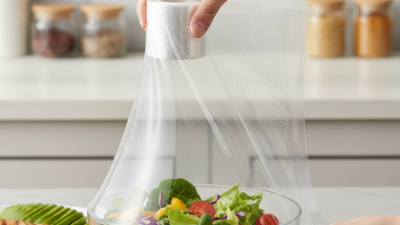
The way plastic wrap clings to food matters too. A tighter seal helps maintain freshness. It prevents air from entering, which can lead to spoilage. Look for wraps that provide a reliable cling without tearing. This not only aids in food preservation but also minimizes waste, contributing to better sustainability practices.
Yet, even the best plastic wrap can fall short. Sometimes the wrap tears easily or doesn’t adhere well. This can lead to unnecessary food waste. The choice may also depend on the type of food being stored. Some foods react negatively with certain materials. Always consider these factors to make informed decisions.
The Importance of BPA-Free Plastic Wrap in Food Preservation
When it comes to food preservation, using BPA-free plastic wrap is vital. Bisphenol A (BPA) is a chemical found in some plastics. Research shows that exposure to BPA may disrupt hormonal balance and lead to health issues. The World Health Organization has classified it as a substance of concern. Choosing BPA-free options can enhance food safety.
A recent study indicates that 75% of consumers are unaware of the risks associated with BPA. This gap in awareness highlights the need for informed choices. BPA-free wraps significantly lower the risk of chemical leaching into food. A good wrap ensures that fruits and vegetables retain their moisture, prevents freezer burn, and protects flavors.
Tip: Always check for BPA-free labeling when purchasing wraps. The right wrap can extend freshness by up to two weeks. Aim for products that meet safety standards set by health organizations. Remember, the way you store food can make a difference. Prioritize your health and safety by opting for reliable options in food storage.
Comparative Analysis of Cling Film Materials: PVC, PE, and POF
Cling film is essential for food storage, but not all options are created equal. PVC (polyvinyl chloride) is widely used but has safety concerns. Studies show that PVC can release harmful chemicals when heated. This can compromise food safety, raising questions about its suitability as a food wrap.
In contrast, PE (polyethylene) is a safer alternative. It's less likely to leach chemicals into food. Research indicates that PE cling film retains moisture effectively and preserves food freshness longer than PVC. Additionally, POF (polyolefin) offers superior clarity and stretchability. It adheres well to various surfaces and ensures a tight seal, which is essential for preventing spoilage.
However, the production of these materials also has environmental impacts. Many cling films are single-use, contributing to plastic waste. Research from the European Commission shows that up to 30% of plastic waste comes from food packaging. Thus, while choosing a cling film, consider not only food safety but also environmental sustainability. The industry faces the ongoing challenge of improving materials for better health and ecological outcomes.
Best Food Plastic Wrap Options for Safe Freshness and Storage
| Material Type |
Clarity |
Stretchability |
Barrier Properties |
Environmental Impact |
Cost (per meter) |
| PVC |
High |
Good |
Excellent |
Moderate |
$0.10 |
| PE |
Moderate |
Very Good |
Good |
Low |
$0.08 |
| POF |
High |
Excellent |
Excellent |
Moderate |
$0.12 |
Industry Standards for Food Safe Packaging: What You Need to Know
When it comes to food safety, choosing suitable packaging is crucial. The right plastic wrap can help maintain the freshness of your food. Look for wraps made from polyethylene or PVC. These materials are commonly used and meet food safety guidelines. They create a barrier against moisture, which can prevent spoilage.
It's essential to understand that not all plastic wraps are created equal. Some might contain harmful chemicals. Always check for food safety certifications. Labels should clearly state that the product is safe for direct food contact. Transparency from manufacturers can help consumers make informed decisions.
On the other hand, issues can arise when one assumes all wraps are safe. Some wraps may not adhere well or could tear easily, leading to potential contamination. Reflection on past choices can guide future purchases. Evaluate products that fit your needs. Consider thickness, clinginess, and ease of use. This thoughtful approach can enhance food storage practices.
Best Food Plastic Wrap Options for Safe Freshness and Storage
Environmental Impact of Plastic Wrap: Towards Sustainable Alternatives
Plastic wrap has become a common kitchen staple, but its environmental impact is concerning. Most plastic wraps are made from non-biodegradable materials. This means they contribute significantly to landfill waste. As we seek to reduce our carbon footprint, finding sustainable alternatives becomes crucial.
One option is beeswax wraps. These wraps are not only biodegradable but also reusable. They are made from cotton infused with beeswax, making them a natural choice for food storage. Consider using them for sandwiches or half-cut fruits. They help keep food fresh without harming the planet.
Another alternative is silicone food savers. These products are durable, reusable, and can withstand heat and cold. They are perfect for making leftovers last longer. However, remember that even silicone has environmental costs in production. We need to weigh the benefits against potential waste.
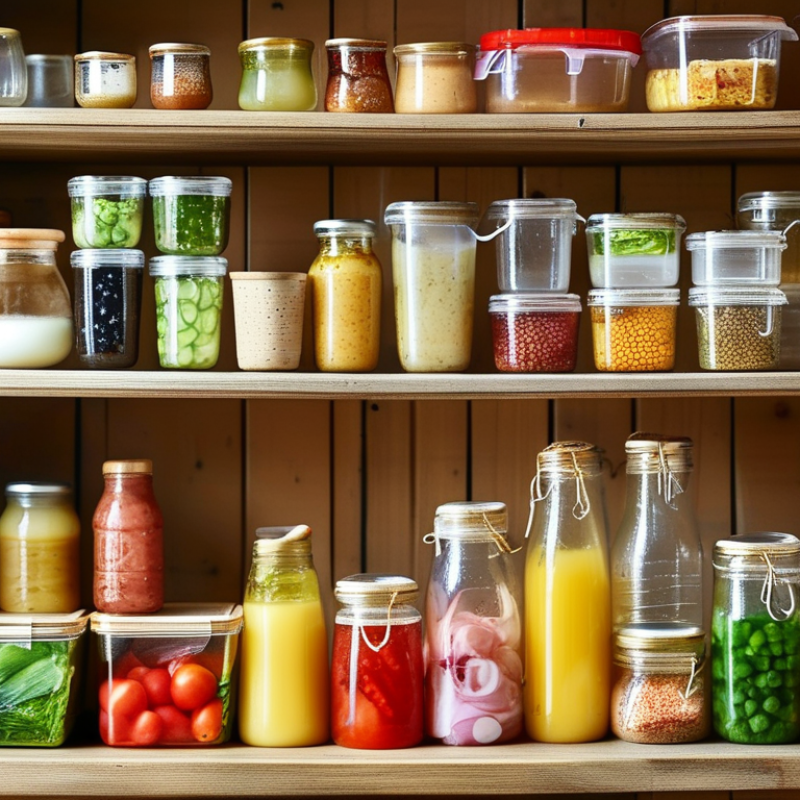
Tips to reduce plastic wrap usage include using glass containers for storage. Reusable jars protect your food and help cut down plastic waste. Additionally, consider covering bowls with cloth. Simple fabric works well for many foods. Embracing these methods can lead to a more sustainable kitchen. Making small changes can significantly impact our environment.