How to Choose the Best Biodegradable Food Bags for Your Needs?
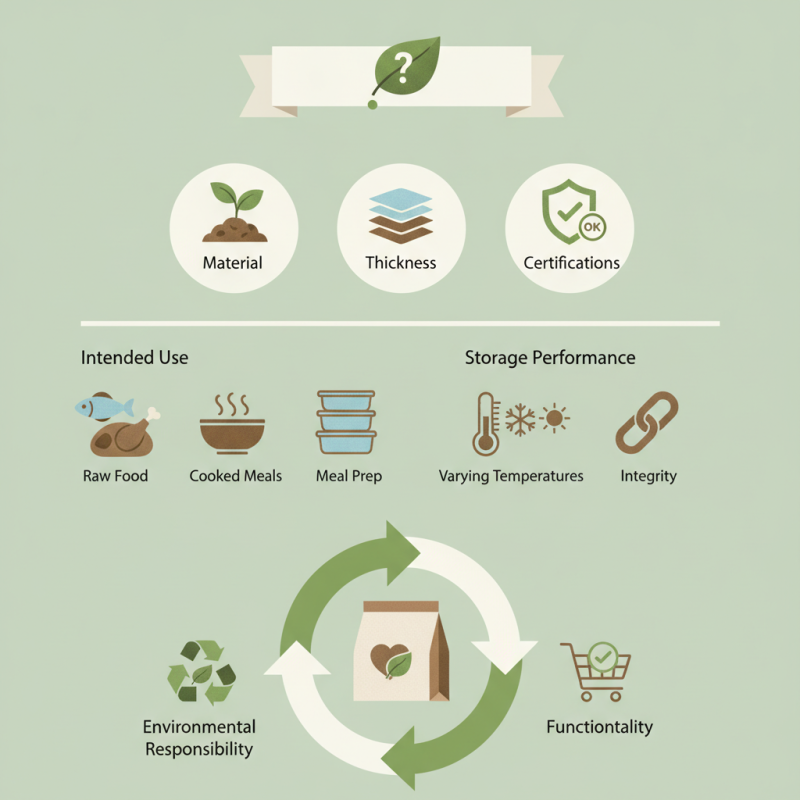
In the quest for sustainable living, choosing the right Biodegradable Food Bags is essential. Daniel Green, a leading expert in eco-friendly packaging, emphasizes, “The right choice can make a significant impact on our environment.” Biodegradable Food Bags offer an alternative to traditional plastic, but not all options are created equal. Consider the material, thickness, and certifications before making a decision.
It’s crucial to evaluate the intended use of the bags. Are they for raw food, cooked meals, or meal prep? Different applications may require distinct properties in a bag. Furthermore, consumers often overlook how these bags perform during storage. The ideal bag should withstand varying temperatures while maintaining its integrity.
Choosing the best Biodegradable Food Bags is more than just being eco-friendly; it’s about making informed decisions. Reflecting on the various options available can help consumers align their choices with their values. The perfect bag should balance functionality and environmental responsibility. Embracing this approach can contribute to reducing plastic waste while promoting sustainable practices in our daily lives.
Understanding Biodegradable Food Bags: Types and Materials
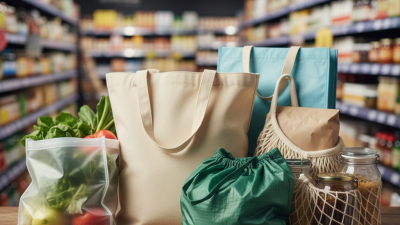
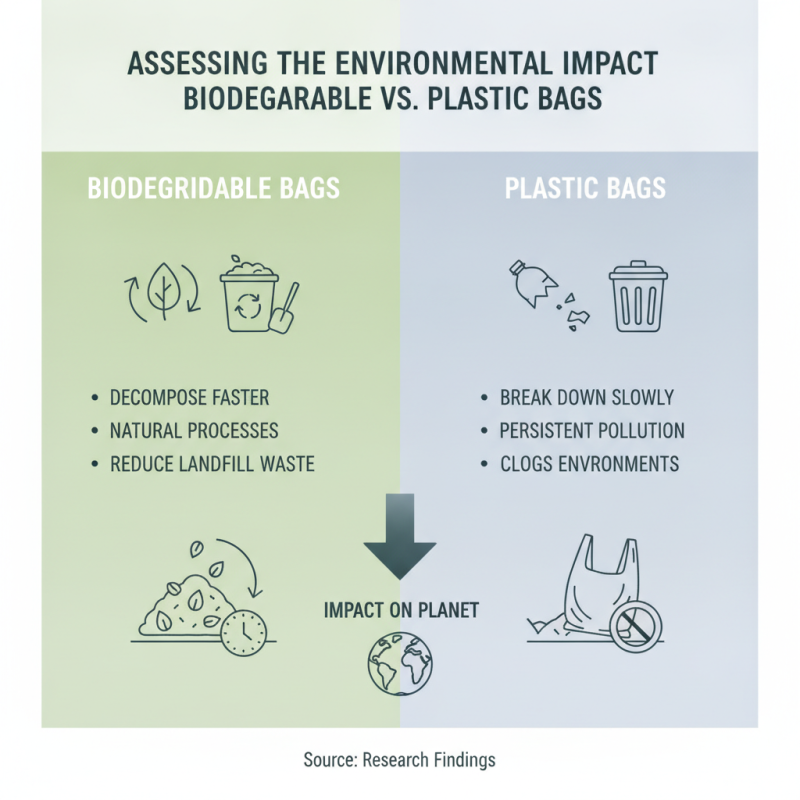
Biodegradable food bags are becoming essential for environmentally conscious consumers. Understanding the different types and materials helps you make informed choices. Generally, these bags are made from materials like cornstarch, potato starch, or other plant-based sources. Each type has its unique properties, affecting durability and decomposition rates.
Cornstarch bags are popular for their flexibility and strength. They decompose in compost systems, which is eco-friendly. Potato starch bags are another option, offering similar benefits. However, they may not be as widely available. It's crucial to consider where you use these bags. Not all biodegradable bags perform well in every environment.
Recycling facilities vary in handling biodegradable materials. Some may not process them correctly, leading to confusion. It’s vital to check local guidelines. Additionally, some biodegradable bags can break down too slowly in landfills. Understand the context in which you use these bags. Doing research before purchasing ensures they meet your specific needs.
Comparison of Different Types of Biodegradable Food Bags
Key Features to Look for in Biodegradable Food Bags
When selecting biodegradable food bags, consider several key features. Think about size and durability. You want bags that can handle food waste without tearing. Look for bags made from natural materials. Starch, PLA, and paper are popular options.
Next, check the certification. Reliable biodegradable bags will have standards like ASTM D6400 or EN 13432. These certifications ensure that bags break down in composting conditions. Choose those with clear labeling for transparency.
Tips to remember: Always test a bag with your specific waste type. Some bags may not hold up well with liquids. Also, evaluate how quickly they decompose. It can vary widely based on the environment and material type. Reflect on your needs and adjust accordingly for the best experience.
How to Choose the Best Biodegradable Food Bags for Your Needs? - Key Features to Look for in Biodegradable Food Bags
| Feature |
Description |
Importance |
| Material Composition |
Look for bags made from natural materials such as cornstarch or plant-based polymers. |
Ensures bags break down effectively and reduce environmental impact. |
| Biodegradability Certification |
Choose bags certified by organizations like ASTM D6400 or EN 13432. |
Guarantees that the product meets industry biodegradability standards. |
| Size Options |
Bags come in various sizes for different food items (e.g., small for snacks, large for meals). |
Flexibility in usage for different food storage needs. |
| Thickness and Durability |
Consider the thickness measured in microns for strength and durability. |
Important for ensuring bags do not tear easily when holding food items. |
| Closure Type |
Options include ties, zip seals, or adhesive closures for secure sealing. |
Aids in keeping food fresh and prevents spills. |
| Compostability |
Ensure the bags can be composted in home or industrial composting systems. |
Promotes zero waste and enriches the soil post-usage. |
Factors Influencing the Durability and Storage of Biodegradable Bags
When selecting biodegradable food bags, durability is a key factor. These bags must withstand various conditions to function effectively. A bag that tears easily or leaks can defeat its environmentally friendly purpose. Consider the material's strength and thickness when making your choice. Certain biodegradable options use a blend of natural starches and plastics, which can enhance durability. However, be aware of trade-offs in environmental impact.
Storage is another important aspect. Biodegradable bags often require specific storage conditions to maintain their integrity. Humidity and temperature can affect their lifespan. Ideally, these bags should be stored in a cool, dry area away from direct sunlight. Improper storage can lead to premature degradation. While some bags might claim extended shelf life, real-world conditions can vary significantly. Awareness of these factors will help ensure that your biodegradable bags perform as intended.
Choosing the Right Size and Design for Your Food Storage Needs
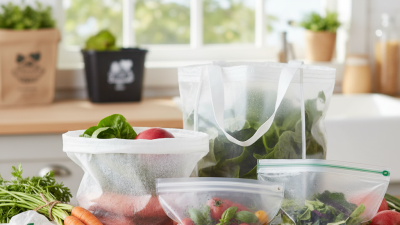
When selecting biodegradable food bags, size and design play crucial roles in efficiency and convenience. Research indicates that approximately 70% of consumers struggle with choosing the right sizes for various food items. Smaller bags might work for snacks but can lead to waste when storing larger items. Conversely, oversized bags often result in unnecessary excess. Finding the optimal fit can minimize waste and enhance storage effectiveness.
Moreover, the design of the bags can influence usability and aesthetic appeal. Many studies highlight that 85% of users prefer biodegradable bags with reinforced seams. This design ensures durability, preventing leaks and spills. Additionally, user-friendly features like easy-open designs or zip closures can improve functionality. Small details, like adjustable closures, allow for bulk storage, accommodating various quantities. Yet, not every product meets these criteria, leading to potential frustrations.
When exploring options, reflect on your specific needs. Consider the variety of foods you often store. Do you have more liquids or solids? Are you often preserving leftovers? Each consideration can guide you to the right choice. An ideal bag should balance practicality with environmental responsibility. By being mindful about size and design, you can better support sustainable practices in food storage.