2026 How to Choose the Right Medical Waste Bags for Safety
In healthcare facilities, safety is paramount. Choosing the right medical waste bags plays a critical role in infection control. These bags must be durable and properly labeled to ensure proper disposal of hazardous materials.
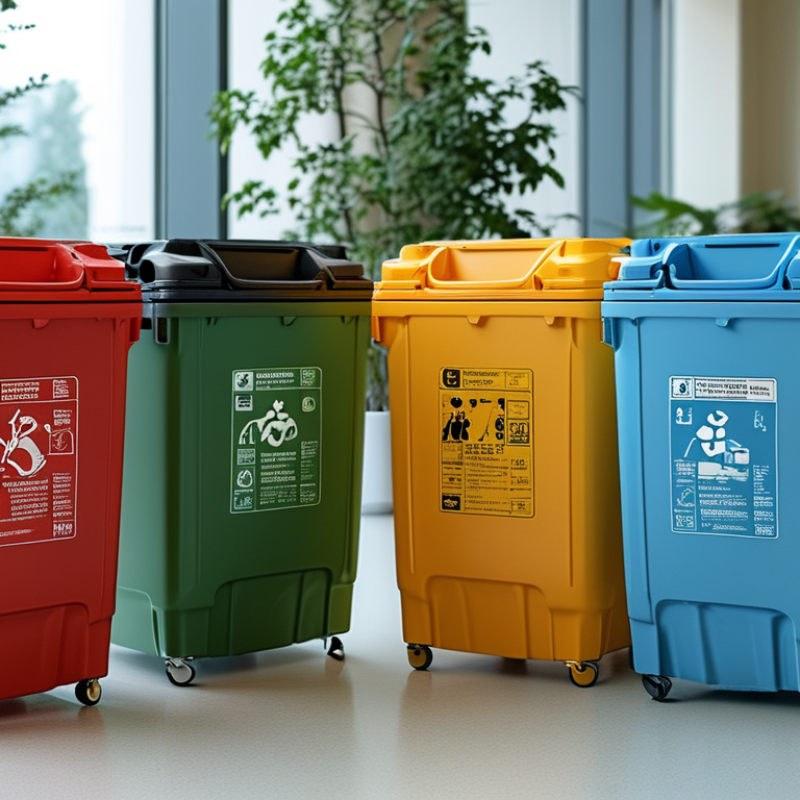
Medical waste bags come in various colors and sizes. Color coding helps differentiate between types of waste. For example, red bags are usually for biohazardous waste. The choice of bag impacts not just safety but also compliance with health regulations.
Selecting suitable medical waste bags requires careful consideration. The wrong choice can lead to contamination risks. It is essential to assess bag strength, biohazard symbols, and sealing methods. Reflecting on past experiences can guide better decisions for a safer healthcare environment.
Understanding the Importance of Medical Waste Management Safety
Medical waste management is critical for health and safety. According to the World Health Organization, approximately 85% of medical waste is non-hazardous. However, the remaining 15% can pose serious health risks if not handled properly. This waste includes infectious materials, sharps, and toxic substances. Improper disposal can lead to environmental contamination and harm to workers.
Choosing the right medical waste bags is a crucial step. These bags must meet specific safety standards to prevent leaks and breaches. The Centers for Disease Control and Prevention emphasizes that biohazard bags should be clearly marked and puncture-resistant. The color coding system helps differentiate between regular waste and hazardous waste, reducing the chances of mishandling.
Despite regulations, many facilities struggle with compliance. A study by the Environmental Protection Agency found that 50% of healthcare facilities do not follow proper waste disposal guidelines. This raises questions about training and awareness within the industry. Reflecting on these challenges reveals the need for continuous education and stricter enforcement of protocols.
Types of Medical Waste and Their Specific Bag Requirements
Medical waste comes in various forms, each requiring specific handling and disposal methods.
Sharps waste, such as needles and scalpels, must be placed in puncture-resistant containers.
The CDC reports that improper disposal of sharps can lead to over 400,000 injuries each year. This highlights the critical need for dedicated red bags or containers marked specifically for sharps.
Biological waste, which includes tissues and cultures, demands a different approach. These items should go into biohazard bags that are leak-proof and have clear hazard symbols.
A study by the World Health Organization indicates that roughly 15% of medical waste is hazardous. Therefore, using the right bags plays a vital role in mitigating risk.
Pharmaceutical waste presents its own challenges. Some medications are toxic and require special yellow bags for disposal.
The Environmental Protection Agency emphasizes that these products must be handled according to strict regulations to avoid contamination.
Each type of medical waste emphasizes the need for appropriate bag selection, ensuring safety for both healthcare workers and the environment.
Errors in bag selection can lead to increased risks and environmental concerns, making vigilant practices crucial for effective waste management.
Key Features to Look for in Medical Waste Bags
When selecting medical waste bags, safety is paramount. You must consider several key features to ensure proper handling and disposal of hazardous materials. First, the material of the bag matters. Look for bags made from puncture-resistant and tear-proof materials. These features prevent leaks and spills, which can pose risks to health and the environment. Color coding is also important. Different colors indicate the type of waste inside, aiding in proper segregation and handling.
Consider the size and capacity of the bags. They should be large enough to accommodate the waste without overflowing but not so large that they become cumbersome to handle. Always check for labels that confirm compliance with safety regulations. This ensures the bags meet the required standards for medical waste. Additionally, think about the sealing mechanism. Bags with strong ties or secure closures minimize the risk of accidental exposure.
Despite these guidelines, the selection process can feel overwhelming. There may be confusion between various bag types and their applications. It’s essential to educate yourself and consult with waste management experts when in doubt. Regularly assess your waste disposal practices to ensure you’re using the most effective solutions for your facility. Always prioritize safety and responsibility when dealing with medical waste.
Key Features to Look for in Medical Waste Bags
Regulatory Standards for Medical Waste Bag Selection
When selecting medical waste bags, compliance with regulatory standards is crucial. Many healthcare facilities overlook specific guidelines that determine the appropriate materials for various types of waste. For instance, biohazardous waste must be stored in bags that are specifically marked with the universal biohazard symbol. This ensures anyone handling the waste understands its potential risks.
Standards set forth by local and national regulatory agencies dictate not only the bag's durability but also its color and labeling. Red bags, for example, are commonly used for infectious waste. However, hospitals often struggle with how to identify non-infectious waste correctly. If a bag is mistakenly labeled, it can lead to dangerous mixing of waste types. Regular training and audits can help mitigate these issues.
Facilities must also remain updated on changing regulations. Guidelines can evolve based on new health risks. Some organizations find themselves lagging behind, creating potential safety hazards. Thus, investing time into understanding these regulations is essential for all stakeholders. Ignoring these details can lead to significant consequences.
Best Practices for Proper Disposal and Handling of Medical Waste Bags
Proper disposal of medical waste is vital for safety. Medical waste bags must be clearly marked to avoid confusion. Red or yellow bags are commonly used for hazardous waste. Using color-coded bags can help separate waste types effectively. Each facility should have a plan for handling these materials. Staff training is essential for ensuring compliance.
Correct handling reduces risks. Always wear gloves and protective gear when dealing with medical waste. Use a secure closure on bags to prevent leaks. Even small tears can lead to exposure. Regular inspections of waste storage areas can prevent accidents. Keep these locations organized and clean.
Reflection on best practices shows room for improvement. Many facilities still struggle with compliance. Monitoring waste disposal habits can identify gaps. Encouraging staff feedback may reveal unnoticed issues. Continuous education is necessary to keep everyone informed about changes in regulations and best practices.