Leave Your Message

Top 10 PE Plastic Wrap Manufacturers in China

PE Plastic Wrap is used to protect goods during storage, packing, and transport. For buyers, the right supplier can affect film consistency, wrapping efficiency, and delivery planning. This guide introduces ten Chinese manufacturers and outlines practical points for comparing their products and capabilities. It is designed as a starting point, not a substitute for supplier checks.

A useful comparison goes beyond price. Buyers can ask about film thickness, roll width, cling, puncture resistance, core size, and available packaging. Samples can reveal how a film handles on a wrapping line or around irregular cartons. Ask about quality-control procedures, production capacity, minimum order quantities, and lead times, too. Details matter.

Supplier claims still need verification. Product specifications, factory capabilities, and export experience can change, and a polished website cannot confirm performance by itself. Request current technical documents and clarify whether any food-contact claims are supported by documentation for your intended market. Then compare like with like. This takes time.

The manufacturers featured here offer options worth reviewing, but no single supplier will suit every application. A stretch film for pallet stability may not meet the needs of a retailer seeking clear, easy-to-open packaging. Consider testing samples under your own operating conditions before placing a large order. That step may expose trade-offs a catalog misses. The list is a useful map, not a final verdict.
Top 10 PE Plastic Wrap Manufacturers in China

What PE Plastic Wrap Is and Where It Is Used

Top 10 PE Plastic Wrap Manufacturers in China

What PE Plastic Wrap Is and Where It Is Used

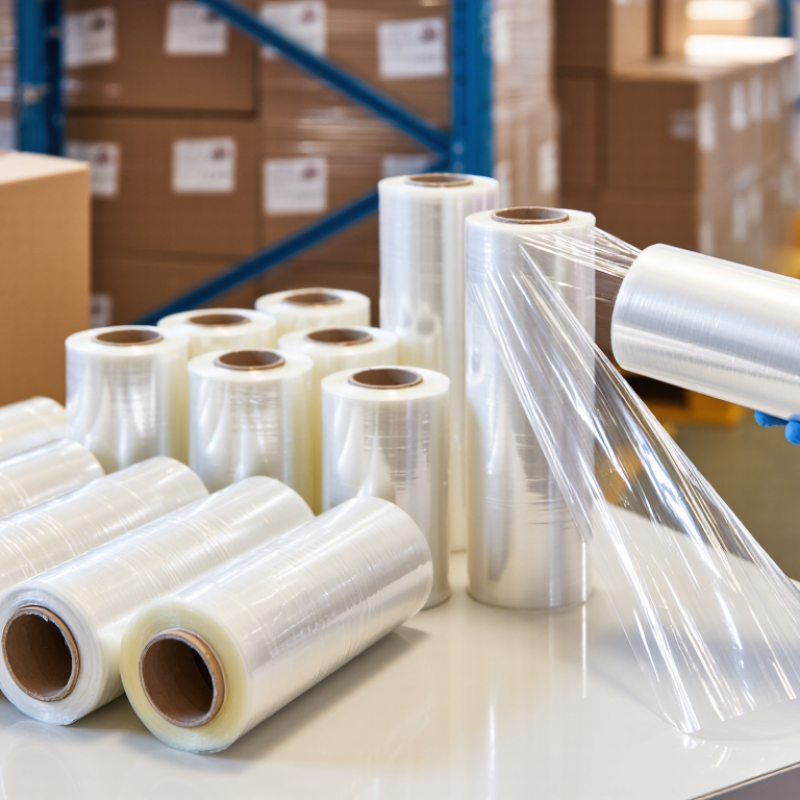
PE plastic wrap is a thin film made mainly from polyethylene. It bends easily and can stretch around objects, helping hold items together during storage or transport. Some types cling closely; others are designed for wrapping cartons or pallet loads. The feel matters: a thicker film may resist punctures better, while a thinner one can use less material but tear more easily.

You may see PE wrap around boxes, furniture, bundled pipes, and warehouse pallets. It can help keep dust and light moisture away, but it is not a substitute for a sealed, waterproof package. In kitchens, use only film specifically made for food contact, and follow its product instructions. Not every plastic wrap is suitable for every surface or temperature. That distinction is easy to overlook.

Tips: Match the film’s width, thickness, and stretch to the load. Wrap firmly, but avoid pulling so hard that corners cut through it. Check a sample on sharp edges before wrapping a full shipment. Small details can change how well the film performs.

How China’s PE Plastic Wrap Industry Is Structured

China’s PE plastic wrap industry is a layered supply chain, not a single factory category. Large petrochemical producers supply polyethylene resin; film converters melt, stretch, and wind it into rolls. Smaller regional plants often handle printing, slitting, and custom widths for food, retail, and household packaging. The chain is uneven. Access to stable resin supply can shape a converter’s costs as much as its machinery.

The National Bureau of Statistics’ 2023 industrial production data recorded 74.885 million tonnes of plastic products output in China. This broad category includes many products, not PE wrap alone, so it should not be read as wrap-market size. That distinction matters. Converter directories and supplier claims rarely use identical product definitions, making direct capacity comparisons difficult.

Downstream, distributors and packaging buyers influence roll thickness, clarity, cling, and delivery schedules. The OECD’s Global Plastics Outlook (2022) estimated that 353 million tonnes of plastic waste were generated worldwide in 2019, with 9% ultimately recycled. Those global figures do not describe Chinese PE wrap specifically, but they highlight why trim waste and material efficiency matter. In practice, buyers should verify film specifications and production consistency, not rely on a stated factory capacity alone. This is an imperfect snapshot: public data seldom separates PE wrap from other plastic films.

Criteria for Selecting PE Plastic Wrap Manufacturers

A reliable PE plastic wrap manufacturer should explain its material and process, not just quote a low price. Ask whether the film uses virgin resin, recycled content, or a blend, and request clear specifications for each option. Check thickness, width, roll length, and permitted tolerances. Small differences matter. A roll that feels sturdy may still stretch unevenly or tear at the edge.

Request samples made to the same specification as the proposed order. Test cling on clean containers, then check stretching, puncture resistance, and unwinding by hand. Ask for recent inspection records and a description of how production batches are checked. For food-related uses, request documentation that matches the intended application and destination. Verify it yourself. A certificate without a clear scope is not enough.

Communication is part of quality. See whether the supplier answers technical questions directly, confirms artwork or packing details in writing, and reports delays early. Compare minimum order quantities, lead times, sample costs, and packaging—not only the unit price. Factory photos can help, but they do not prove consistency. Ask how complaints are investigated and whether replacement or corrective action is defined. Even careful buyers can miss details; I would check one more sample before approving a large run.

Profiles of 10 PE Plastic Wrap Manufacturers in China

These ten profiles highlight different capabilities found among PE plastic wrap manufacturers in China; they are not a verified ranking. One producer may focus on hand-stretch film for warehouses, supplying rolls with varied widths and thicknesses. Another may specialize in machine-grade film, designed for steady wrapping on automated pallet lines. A third may offer pre-stretched film, which can reduce effort during manual application. A fourth may produce compact household rolls for food storage. Small details matter.

A fifth manufacturer may serve agricultural buyers with wider film for protecting bales or silage. A sixth may emphasize clear, glossy film for product presentation. A seventh may make colored or opaque wrap for load identification and light shielding. An eighth may provide custom roll lengths and core sizes for distributor requirements. A ninth may focus on export packaging, with attention to carton strength and roll protection. A tenth may support private-label orders, although minimum quantities and lead times can vary.

When comparing suppliers, request technical data for thickness, stretch, cling, and puncture resistance. Ask for sample rolls and test them under real packing conditions. Check whether production specifications match the delivered batch, not only the sample. A polished brochure is not proof of consistent quality. Confirm capacity, packaging details, and delivery schedules directly, since product performance can shift with film structure and application.

How to Compare Products, Quality, and Export Capabilities

When comparing PE plastic wrap manufacturers in China, match products to the job they must perform. Ask for film thickness, width, roll length, and core size in writing. Then compare samples under the same conditions. Wrap a carton with each sample and note how many turns it takes to hold firmly. Check stretch recovery, cling, edge tearing, and whether the film clouds or splits during use. Small details matter. A sample test is useful, but it cannot represent every production batch.

Review quality controls as well as specifications. Ask how thickness is measured across the roll and how defects are recorded. Request a recent inspection report, and confirm that the finished roll matches the approved sample. Export capability needs similar scrutiny: clarify lead time, minimum order quantity, carton labeling, pallet options, and which shipping documents the supplier can provide. Ask for a sample packing list before placing an order. Clear answers are a good sign, though they are not proof of consistent performance. No checklist removes all risk. Keep written specifications and inspection records, and allow time for a pre-shipment review. A lower price may be attractive, but uneven winding or inaccurate roll length can cost more in production delays.

Top 10 PE Plastic Wrap Manufacturers in China - How to Compare Products, Quality, and Export Capabilities

Use the criteria below to compare suppliers. Specifications and export capabilities vary by product and order, so confirm each item with current technical documents and a written quotation.

No. Comparison dimension What to compare Evidence to request Why it matters
1 Wrap type and application Hand stretch film, machine stretch film, cling film, or another PE wrap; intended load and use conditions. Product specification sheet and a sample suited to the intended application. Different wrap types are designed for different handling methods and performance needs.
2 Resin and construction Declared PE resin type or blend, film structure, and any additives relevant to the application. Technical data sheet and written confirmation of material composition and product construction. Material and construction can affect stretch, cling, puncture resistance, and suitability for the intended use.
3 Thickness and tolerance Nominal thickness in micrometres (μm), measurement method, and the supplier's stated tolerance. Specification sheet and batch or inspection records showing measured thickness. Thickness consistency helps buyers compare rolls and assess material use against the agreed specification.
4 Roll dimensions and net weight Film width, roll length, core dimensions, and net film weight, stated separately from packaging weight. Dimensioned product specification and a sample roll or verified packing details. Clear roll specifications support equipment compatibility, quantity calculations, and like-for-like price comparisons.
5 Mechanical performance Relevant test results, such as tensile properties, elongation, tear or puncture resistance, and stretch performance where applicable. Test report identifying the method, specimen, and result; confirm the test conditions used. Results are meaningful only when the test method and conditions are clear and comparable.
6 Cling, unwind, and handling Cling to itself or other surfaces, roll unwinding, edge quality, and ease of application on the intended equipment. Sample trial results and agreed acceptance criteria for the intended use. Handling behavior can influence wrapping consistency and performance in actual operating conditions.
7 Quality control and traceability Incoming-material checks, in-process inspection, finished-roll inspection, and lot identification procedures. Quality-control description, sample inspection record, and explanation of batch traceability. Documented controls and traceability help investigate quality issues and maintain consistency between orders.
8 Packaging and shipping protection Individual roll protection, carton or pallet configuration, shipping marks, and protection against moisture and handling damage. Packaging specification, packing photos, and confirmed carton or pallet dimensions and weights. Packaging details affect product protection, freight planning, and receiving operations.
9 Export documentation and shipping terms Ability to prepare the agreed commercial and shipping documents, and clarity on quotation basis, shipment point, and Incoterms® rule and named place. Sample document set where available, written quotation, and confirmation of document responsibilities. Clear responsibilities and document details help reduce avoidable delays and misunderstandings in international shipments.
10 Order terms and responsiveness Quoted minimum order quantity, production lead time, sample and customization terms, payment terms, and process for handling claims. Written quotation and order terms; confirm lead time and claim procedures before placing an order. Documented commercial terms make supplier offers easier to compare and support clearer order planning.