Top 10 Tips for Choosing the Best Plastic Food Gloves?
Choosing the right Plastic Food Gloves is crucial in maintaining hygiene while preparing meals. With numerous options available, it can be overwhelming to find the best fit. These gloves protect both the food and the person handling it. They are essential in settings like restaurants, cafeterias, or even home kitchens.
When selecting Plastic Food Gloves, consider material, size, and thickness. Different tasks require unique features. For example, thicker gloves may offer better protection for raw foods. However, they can be less flexible and harder to use. The choice of glove can affect your experience and result. Not all gloves are created equal, and this decision requires careful thought.
Additionally, quality can vary significantly among brands. Some might tear easily during use, leading to contamination. Others may not fit securely and slip off, causing frustration. It's essential to evaluate options based on reliability and comfort. Prioritizing these factors will help ensure safety and efficiency in food handling.

Understanding the Importance of Plastic Food Gloves in Food Safety
Plastic food gloves play a crucial role in maintaining food safety. They create a barrier between hands and food, reducing the risk of contamination. Using gloves is essential, especially in environments like kitchens or food service. Proper use prevents the spread of bacteria and allergens. However, not all gloves are created equal, and choosing the right ones is vital.
One tip is to consider the thickness of the gloves. Thicker gloves provide better protection but may reduce dexterity. Additionally, it's crucial to select gloves that fit well. Ill-fitting gloves can lead to tearing, compromising safety. Another important factor is the material. PVC, polyethylene, or nitrile are common options. Each has different properties that can impact food handling.
Be mindful of how long you wear gloves. Long-term use can lead to moisture buildup and make them less effective. Additionally, always remember to change gloves between tasks. This simple step minimizes cross-contamination risks. Lastly, practice hand hygiene. Clean hands are a foundational aspect of food safety, even when wearing gloves.
Evaluating Different Materials Used in Plastic Food Gloves
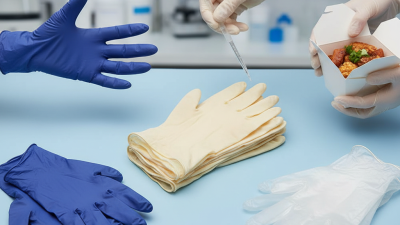
When selecting plastic food gloves, material evaluation plays a crucial role. Common options include polyethylene, vinyl, and nitrile. Polyethylene gloves are lightweight and cost-effective, making them a popular choice. However, they may not provide the best barrier against certain contaminants. Understanding the limitations of these materials is essential.
Vinyl gloves offer more durability than polyethylene. They are often used in food handling due to their resistance to tearing. Yet, they may contain additives that could impact safety. Always check for certifications to ensure they meet health standards. Nitrile gloves, while more expensive, offer superior puncture resistance. This is critical in environments where sharp objects are present.
It’s important to reflect on your specific use case when choosing gloves. Think about tasks like food preparation or cleaning. Different tasks may require different levels of protection. Remember, not all gloves are created equal. Prioritize safety and comfort based on your needs. This thoughtful approach will lead to better choices.
Material Comparison for Plastic Food Gloves
Key Features to Look for When Selecting Food Gloves
When selecting plastic food gloves, consider key features that ensure safety and comfort. The material is crucial. Choose gloves made from high-quality polyethylene or vinyl. These materials provide effective barrier protection against germs and contaminants. They should also fit snugly. Ill-fitting gloves can lead to accidents in the kitchen. If they are too loose, they may slip off, leaving you vulnerable.
Another important aspect is the texture. A textured surface improves grip, allowing you to handle food with precision. Look for gloves that have a slightly embossed surface, which provides better control when working with slippery items. Furthermore, consider the glove thickness. A thicker glove might offer better protection but can limit dexterity. Striking a balance between durability and flexibility is essential.
Think about allergen sensitivities as well. While many gloves are latex-free, they can still cause reactions in some individuals. Always check for materials labeled as hypoallergenic. This knowledge can prevent uncomfortable situations. Lastly, consider your usage needs. If you’re preparing food for a long session, comfort becomes even more critical. Long-term wear can lead to wrist fatigue, so lightweight options may be preferred for extended tasks.
Assessing Comfort and Fit for Extended Use in Food Preparation
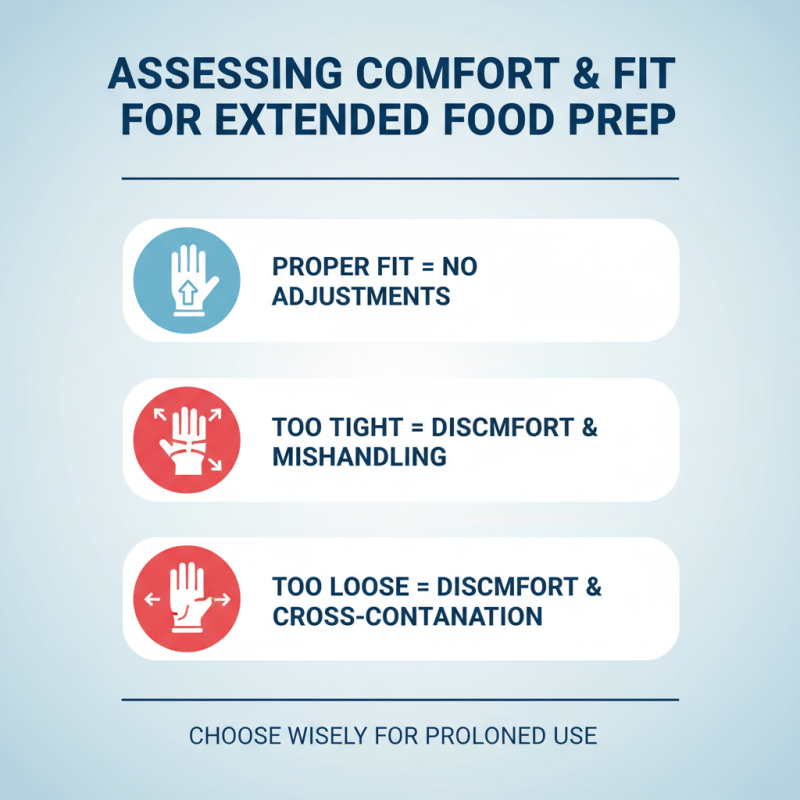
When choosing plastic food gloves, comfort and fit play a crucial role, especially for prolonged use. Properly fitting gloves ensure that you can perform tasks without constant adjustments. Gloves that are either too tight or too loose can cause discomfort. They may even lead you to mishandle food, increasing the risk of cross-contamination.
Consider the material's texture. Smooth gloves may feel slippery when wet, while textured options provide better grip. It's essential to find a balance between flexibility and durability. Some gloves may tear easily during food preparation, which can be frustrating. You might also find it challenging to maintain dexterity while wearing bulkier gloves.
Reflect on your activities. If you frequently handle hot foods, breathable gloves can help manage sweat. Long hours in the kitchen require gloves that won’t irritate your skin. Paying attention to these details enhances your overall experience. Finding the right glove is not just about protection but also about your comfort and efficiency in the kitchen.
Environmentally Friendly Options: Biodegradable and Reusable Gloves
When selecting food gloves, consider eco-friendly options. Biodegradable and reusable gloves are becoming increasingly popular in food service environments. A report by the World Health Organization suggested that single-use plastics contribute significantly to environmental pollution. In fact, nearly 300 million tons of plastic are produced each year, much of which ends up in oceans.
Biodegradable gloves are made from materials that break down naturally. They can decompose in composting facilities, reducing landfill waste. However, they often require specific conditions to biodegrade effectively. Not all biodegradable options are created equal, and their effectiveness can be variable. It's vital to research certifications and standards related to biodegradability.
Reusable gloves, on the other hand, offer durability and long-term cost savings. These gloves can be washed and reused multiple times. Data shows that using reusable gloves can significantly reduce plastic waste. Yet, improper cleaning can pose hygiene risks. Without diligent care, bacteria may persist on glove surfaces. Therefore, choosing the right type of gloves involves balancing sustainability and safety.