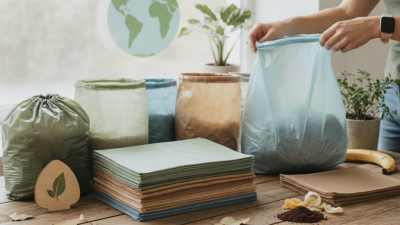
Top Tips for Choosing the Best Drawstring Garbage Bags?
When it comes to managing household waste, the choice of garbage bags can significantly impact your daily routine. Drawstring garbage bags provide a convenient solution for many. Their design allows for easy closure and secure lifting, which can make disposal hassle-free. However, selecting the best drawstring garbage bags involves understanding various factors.
Quality and size are key considerations. The thickness of the material determines the bag's durability. A strong bag can handle heavier waste without tearing. Additionally, selecting the right size ensures that the bag fits your trash can perfectly, preventing spills or leaks.
Another aspect to contemplate is the pricing. Sometimes, cheaper bags may not offer the best value, as they can break easily. Investing in quality drawstring garbage bags can lead to a more efficient waste disposal process. It’s also essential to reflect on your specific needs, like compostable options. Each choice reflects your commitment to sustainability. Making wise decisions here will enhance both your experience and the environment.
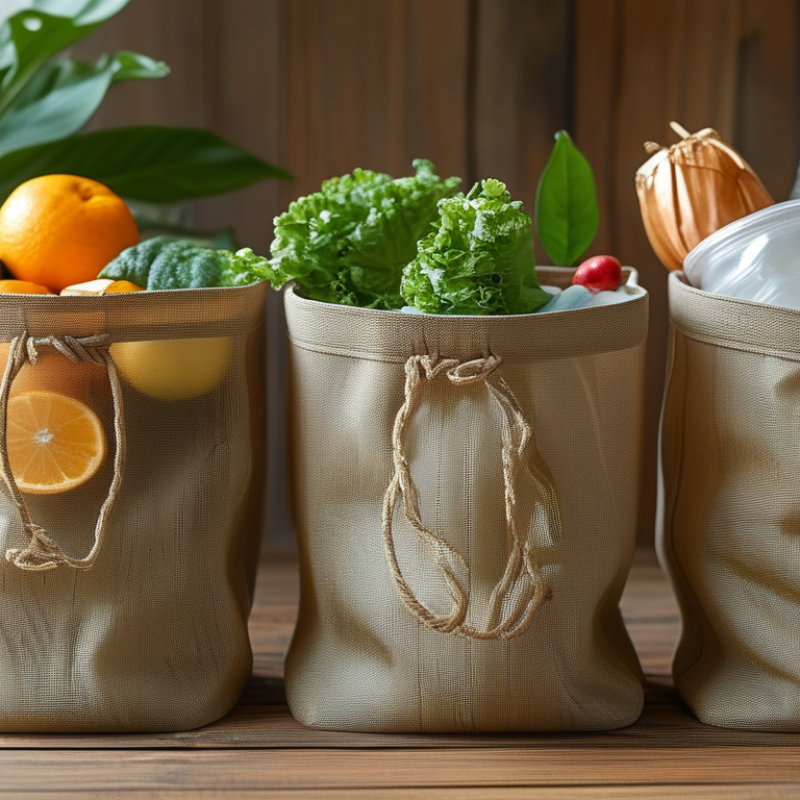
Understanding Drawstring Garbage Bags: A Comprehensive Overview
Choosing the right drawstring garbage bags can sometimes feel overwhelming. It's essential to understand their features and benefits. Drawstring garbage bags offer a convenient way to secure waste. They come in various sizes and strengths, tailored to fit different needs. Look for thicker materials to prevent tears and leaks. A sturdy drawstring allows for easy sealing when it’s time to remove the bag.
When selecting bags, consider their capacity. Larger bags are ideal for heavy waste, while smaller ones suit light, everyday trash. Check reviews to gauge their reliability. Some users report issues with certain brands tearing easily under weight. This feedback can be a valuable resource when making your decision. It’s important to weigh the pros and cons.
To ensure you make the best choice, take note of the dimensions. Measure your trash bin for a perfect fit. Read product specifications carefully. It may seem tedious, but the right size reduces mess and makes disposal effortless. Don’t overlook the environmental impact. Look for options made from recyclable materials. This could lead to a more thoughtful selection process.
Key Features to Look For in High-Quality Drawstring Garbage Bags
When selecting high-quality drawstring garbage bags, consider several key features. First, the bag's thickness is critical. A study by the Institute of Scrap Recycling Industries highlights that thicker bags reduce breakage and leakage risk. Look for bags with a gauge of at least 0.9 mil. This thickness helps ensure durability when handling heavy or sharp waste.
Next, the drawstring mechanism is essential for ease of use. A reliable drawstring allows for easy closure and transportation. Many users report that bags with robust drawstrings reduce the risk of spills. Additionally, check the bag's capacity. The most common sizes range between 13 gallons and 55 gallons. Opting for the right size can prevent overfilling, which leads to messy cleanups.
Lastly, consider the material. High-density polyethylene (HDPE) bags are often praised for their strength and resistance to punctures. A recent survey indicated that 70% of consumers prefer biodegradable options. Although biodegradable bags can be pricier, they offer an eco-friendly choice. Evaluating these features can lead you to a garbage bag that meets both your needs and environmental considerations.
Material Matters: Comparing Different Types of Garbage Bag Materials
Choosing the right garbage bag starts with understanding the materials. Different options provide varied benefits. Plastic garbage bags are lightweight and resistant to moisture. They come in various thickness levels. Thicker bags are ideal for heavy, wet waste. However, thinner bags might tear easily, leading to mess.
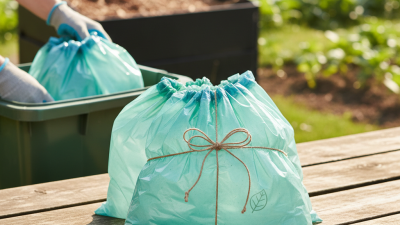
Biodegradable options made from plant materials are gaining popularity. They break down faster in landfills, reducing environmental impact. Yet, they can be less durable in wet conditions. Some users find that they don't hold up as well with heavier loads. It's crucial to consider the weight and type of waste you typically dispose of.
Lastly, consider the bag's design. Drawstring bags offer convenience when tying and lifting. Some may find that the drawstring can sometimes snap, causing spills. Reflecting on your daily needs can help avoid such issues. Assess the right material and design to support your waste disposal habits effectively.
Top Tips for Choosing the Best Drawstring Garbage Bags
| Material Type |
Durability |
Tear Resistance |
Capacity |
Eco-Friendliness |
| Plastic |
Moderate |
Moderate |
13 Gallons |
Not Eco-Friendly |
| Biodegradable |
Moderate |
High |
10 Gallons |
Eco-Friendly |
| Heavy-Duty |
High |
Very High |
33 Gallons |
Varies |
| Recycled Plastic |
Moderate |
Moderate |
13 Gallons |
Eco-Friendly |
| Unscented |
Moderate |
Low |
30 Gallons |
Not Eco-Friendly |
Capacity and Sizes: Choosing the Right Drawstring Bag for Your Needs
When selecting drawstring garbage bags, size and capacity are crucial factors. The average family generates about 4.3 pounds of waste daily, according to the Environmental Protection Agency. Therefore, opting for a bag that holds at least 13 gallons is often recommended for typical household use. However, larger families or those with substantial waste may require bags with capacities exceeding 30 gallons.
Consider your specific needs. If you frequently dispose of heavy items, select thicker bags. They can handle the weight without tearing. A bag that is too small can lead to overfilling and mess. On the other hand, using excessively large bags for light waste may result in wasted material and unnecessary expense. The balance between size and capacity is essential for efficiency and cost-effectiveness.
Many consumers overlook the importance of bag dimensions. A bag that fits well in your bin avoids spillage. Take time to measure your trash can’s dimensions, considering both height and width. Even slight mismatches can lead to frustration and inconvenience. Reflect on your waste disposal habits—this insight can guide you in making the right choice to optimize your experience.
Environmental Impact: Biodegradable Options and Industry Standards
When choosing garbage bags, environmental impact is crucial.
Biodegradable options are becoming popular.
They decompose faster than traditional plastic bags. According to the EPA, about 292 million tons of waste were generated in the U.S. in 2018.
Plastic waste, a significant portion, poses serious environmental challenges.
Industry standards for biodegradable bags focus on materials and decomposition rates.
The ASTM D6400 and ASTM D6868 standards provide guidelines on biodegradability.
Many products that meet these standards break down in a composting environment.
However, not all biodegradable options perform well outside of specific conditions.
A gap exists in consumer understanding. Some bags labeled as biodegradable may still take years to break down.
Research indicates that only 9% of plastic waste is recycled.
Choosing the right bag, therefore, requires diligence.
Looking for certifications and understanding the disposal process can help reduce your ecological footprint.