Top 5 Benefits of Using Ziplock Bags for Storage?
In our everyday lives, finding effective storage solutions is essential. One popular choice is the Ziplock Bag. This versatile tool offers a range of benefits that cater to various storage needs. Whether you're organizing a pantry or preparing a meal, Ziplock Bags can simplify your tasks.
Using a Ziplock Bag enhances freshness. It creates a tight seal, preventing air from spoiling food. This feature is crucial for maintaining the quality of leftovers or fresh produce. Furthermore, Ziplock Bags are ideal for portion control. You can pre-measure snacks or ingredients, making it easier to manage diet or meal preparations.
Another advantage is their space-saving design. Unlike traditional containers, Ziplock Bags can be flattened, allowing for efficient storage. This quality is especially useful in small kitchens or for travelers. However, it’s important to consider the environmental impact and recycling options for used bags. Reflecting on these aspects can lead to more responsible usage choices. Overall, the Ziplock Bag proves itself as a practical and effective storage solution that many people can benefit from.
Advantages of Ziplock Bags for Food Storage and Preservation
Ziplock bags are a simple yet effective tool for food storage and preservation. They provide an airtight seal that helps to keep moisture and air out. This feature prevents food from spoiling quickly, extending its shelf life significantly. Fresh fruits and vegetables can stay crisp longer when stored in ziplock bags. The transparency of these bags allows you to see the contents without opening them, which can save you time.
Using ziplock bags for marinating food can also enhance flavors. The bags reduce the amount of air around the meat or vegetables, allowing marinades to penetrate more effectively. This method can create delicious, well-flavored dishes with minimal effort. Of course, it's essential to ensure the bags are sealed properly to avoid leaks.
One thing to consider is that while ziplock bags are useful, they may not always be the most environmentally friendly option. Reusable alternatives might also be an option for those looking to reduce waste. Reflecting on the balance between convenience and sustainability is beneficial. In the end, choosing the right storage method depends on your individual needs and priorities.
Ease of Organization with Ziplock Bags in Household Storage
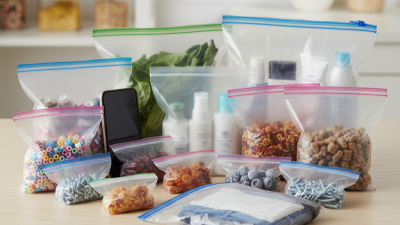
Ziplock bags offer an excellent solution for keeping your household organized. Their clear design allows you to see contents quickly. You can categorize items easily, from pantry staples to craft supplies. This visibility saves time and reduces frustration when looking for things. Working on a project? Use different bags for different materials. It’s an easy way to sort and find what you need.
Using Ziplock bags can also help reduce clutter. Instead of letting items spill out of drawers, store them neatly. You can stack or file bags in a drawer or bin. However, it’s crucial to not overfill them. They can tear easily. You might find that not every bag holds up under pressure, which can be a hassle. Set aside time to reorganize regularly. This process ensures that your storage remains functional and clean.
Additionally, think about the eco-impact. Reusable options are becoming popular. Are you doing enough to minimize waste? Reflect on your routines. While Ziplock bags are convenient, consider their disposable nature. Finding a balance between ease and responsibility in storage will lead to better habits.
Cost-Effectiveness of Ziplock Bags Compared to Other Storage Solutions
Ziplock bags are often overlooked but can significantly reduce storage costs. According to industry research, the average household spends approximately 5% of their budget on storage solutions each year. Using Ziplock bags can lower this figure. They protect food and items effectively, leading to less waste and more savings.
A report from the Packaging Manufacturers Association highlights that flexible packaging, like Ziplock bags, costs about 40% less than rigid alternatives, such as glass containers. This cost-effectiveness extends to their versatility for both food and non-food items. Users find that they can store everything from snacks to craft supplies without the hefty price tag.
Tip: To maximize your Ziplock bag use, try to remove as much air as possible when sealing. This can extend freshness and reduce spoilage, cutting down on food waste. Additionally, consider labeling bags for efficient organization. It saves time and avoids unnecessary purchases.
Despite these advantages, some may question their durability. While they are generally reliable, not every bag is created equal. Users should be cautious about overstuffing or exposing them to extreme temperatures. Regularly reassessing your storage solutions is key to making smart, cost-effective choices.
Versatility of Ziplock Bags for Various Storage Needs
Ziplock bags are incredibly versatile, serving various storage needs across different settings. In the kitchen, they can keep leftovers fresh or organize ingredients for meal prep. You can easily stack them in the fridge or pantry, maximizing your space. These bags are not just for food; they are useful for organizing craft supplies, toiletries, and small tools. A simple system using labeled bags can save time and reduce clutter.
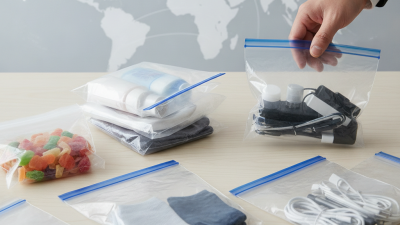
In addition to household uses, Ziplock bags shine during travel. They can protect clothes and electronics from moisture and dirt. When packing, roll clothes and store them in these bags to save space. It’s also easy to access items while keeping everything organized. However, it’s important to choose the right bag for your needs. The wrong size can lead to wasted space or broken items.
Many people overlook the environmental impact of using Ziplock bags. While convenient, frequent use can generate waste. Finding a balance between convenience and sustainability is vital. Consider reusing bags whenever possible. Reflect on your storage choices and explore eco-friendly alternatives when feasible. This creates a more mindful approach to your storage needs.
Top 5 Benefits of Using Ziplock Bags for Storage
| Benefit |
Description |
Applicable Uses |
| Versatility |
Can be used for food, organization, and travel. |
Food storage, school supplies, toiletries. |
| Space-saving |
Can be flattened when empty to save space. |
Packing, travel, pantry organization. |
| Food Freshness |
Keeps food fresh by sealing in air. |
Freezing, marinating, leftovers. |
| Water-resistant |
Protects contents from moisture and spills. |
Outdoor activities, picnic supplies, boating. |
| Ease of Use |
Simple design makes them easy to seal and open. |
Daily use, quick snack packing, on-the-go. |
Eco-Friendly Options and Recycling Potential of Ziplock Bags
Ziplock bags offer versatility in storage, but their environmental impact raises questions. Many consumers seek eco-friendly alternatives. According to the Environmental Protection Agency (EPA), plastic bags contribute significantly to landfill waste. In the U.S., approximately 380 billion plastic bags are used annually, most ending up in landfills or oceans, highlighting the need for sustainable choices.
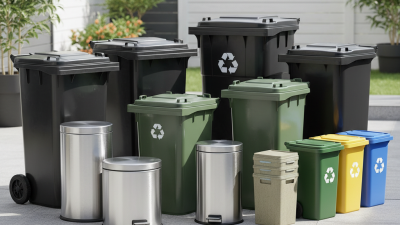
Recycling potential for Ziplock bags exists, but the process is complex. Most curbside recycling programs do not accept plastic bags due to contamination risks. However, some specialized programs can recycle them. A 2020 study indicated that recycling rates for plastic bags remain below 5%. Expansion of recycling initiatives may improve these numbers, creating opportunities for better waste management.
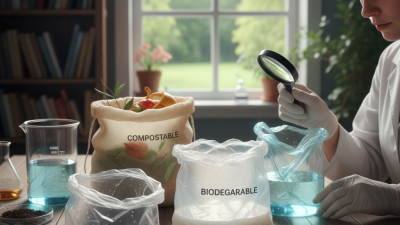
Biodegradable and compostable bags are emerging eco-friendly options. These alternatives can break down more naturally than traditional plastic. Yet, not all biodegradable options perform equally. Environmental assessments suggest that a thorough understanding of materials used is crucial for effective disposal. Consumers must reflect on their choices and prioritize products that align with sustainable philosophies.